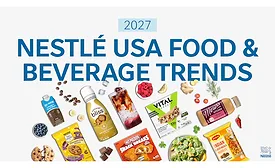
Nestlé USA unveiled its 2027 Food and Beverage Trend Forecast, identifying the five shifts set to define how Americans eat and drink in the year ahead.
Drink sales increased by 2.9% across Europe's six biggest grocery markets last year, as shoppers continued to cut back on alcohol but paid more for a new generation of beverages competing for social occasions and catering to healthier lifestyles.
Foodservice operators see value in diverse beverage portfolios with franchise brands introducing new creations and ways for consumers to customize their drinks.
This fall semester, functional meals and beverages are top of mind for college students, influencing campus dining, according to Chartwells Higher Education.
Southern Glazer’s Wine & Spirits released its inaugural Raise the Bar: H2 2026 Edition, a new trends report from the company’s Commercial Intelligence team examining the forces reshaping beverage alcohol and where opportunities for growth are emerging.
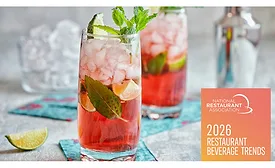
Beverages are becoming one of the most dynamic and innovative growth drivers in the restaurant industry, according to the National Restaurant Association 2026 Restaurant Beverage Trends report.
New Product Development for Beverage Manufacturers helps you understand the consumer trends and insights and ingredients that support those trends that are influencing the next generation of successful beverages.
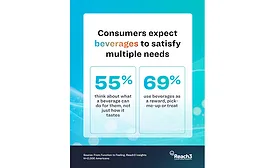
Reach3 Insights found that consumers evaluate beverages on far more than taste, considering factors such as function, wellness, convenience, ingredients and the role a drink plays in a particular moment.