Convenience stores deliver on consumers need to treat themselves
CPG, foodservice sales continue to gain share in convenience channel
In the live album “Songs Written on a Convenience Store Receipt,” Keith Human addresses a number of themes in life like growth in the tracks including “Too Soft,” “The Taxi’s Waiting for You,” and “The Ritual.”
Convenience stores remain a staple within the consumer shopping experience and although their status might not always result in a record title, they have woven their way into a go-to destination.
Although convenience stores might be more closely linked to fuel sales, data shows that foodservice and consumer packaged goods (CPG) sales are playing a bigger role in the channel’s future.
“Despite sluggish convenience store sales over the first half of 2024, strong foodservice and merchandise sales over the second half pushed overall sales to a record $335.5 billion, a 2.4% increase over the year prior and the 22nd consecutive year of record in-store sales,” says Jeff Lenard, vice president of media and strategic communications at National Association of Convenience Stores (NACS), Alexandira, Va. “Convenience stores, which sell an estimated 80% of the fuel purchased in the U.S., saw total fuels revenues decrease 5.7% to $501.9 billion as a result of a 6.5% decrease in the average gas price ($3.31 in 2024 vs. $3.55 in 2023 ). Total gallons sold increased slightly by 0.8%. Total convenience store sales, including fuels and in-store items, were $837.4 billion in 2024.”
In an August report titled “U.S. C-Store Landscape Q2 2025” from Chicago-based Circana, the market research firm found that, although fuel’s share of dollar sales still accounts for the lion’s share ― 62.3% ― this is a 3.2 percentage point decrease from a year ago (YA) with CPG share up 2.4 percentage points to 30.6% share and foodservice share up 0.8 percentage points to 7% share.
This growth in foodservice performance comes as consumers are increasingly viewing convenience stores as place not just to shop but stay, as highlighted in NielsenIQ’s July 2025 analysis “The Now and Future of Convenience Stores.
“An increasing number of retailers are introducing café-style seating, curated product assortments, and enhanced store designs that make the environment feel more intentional and community-driven,” NielsenIQ’s analysis states. “These are not just aesthetic upgrades; they are strategic moves to reposition the c-store as a space for connection, relaxation and discovery. Retailers such as Shell Café and Rusty Lantern are setting the pace with formats that look and feel more like boutique cafes than traditional gas stations.”
NACS’s Lenard further details the ways in which convenience store operators are embracing foodservice to engage with consumers.
“Foodservice in U.S. convenience stores continues to set brands apart by offering diverse and exciting menu options,” Lenard says. “It also drove in-store sales to record levels in 2024.
“Foodservice sales, which includes prepared food; commissary; and hot, cold and frozen dispensed beverages, accounted for 27.7% of in-store sales and 38.6% of in-store gross margin dollars at convenience stores in 2024,” he continues. “Most foodservice sales are from prepared food, and that share has grown over the last five years. In 2024, prepared food accounted for 72.6% of foodservice sales.”
Lenard notes that in 2004, foodservice accounted for 11.9% of in-store sales, highlighting the growth this area has had for the channel.
“Food-forward strategies at convenience stores are driving trips and enhancing customer experience,” he says.
Adding value
Although growing foodservice performance has been a boon for convenience stores, Lenard highlights in today’s economic environment, consumers still remain price conscious.
“Consumers are increasingly looking for value in their shopping experiences following the post-pandemic bump in prices,” Lenard says. “Value certainly means price, but it also has several other definitions with today’s customer. Combo offers that pair food and a beverage that provide a good price and convenience are growing in popularity. Deals are promoted via stickers on cooler doors or at foodservice areas.”
For instance, Wawa recently launched the Your Order Made Easy campaign, which offered consumers the option of a Shorti Hoagie, Wrap or Chicken Sandwich, plus a small fountain drink, and any small bag of Herr’s Chips for $6. The $6 Meal Deal is available through Oct. 12 at any of Wawa’s 1,100 locations.
“We are thrilled to bring our customers a great value with the highly customizable $6 Meal Deal,” said Mary-Rose Hannum, chief marketing product officer at Wawa in a statement. “Whether you’re looking for a hot or iced beverage to start to your day this Fall or in need of a quick meal at a great value, we’re excited to make your order, just the way you like it, at Wawa.”
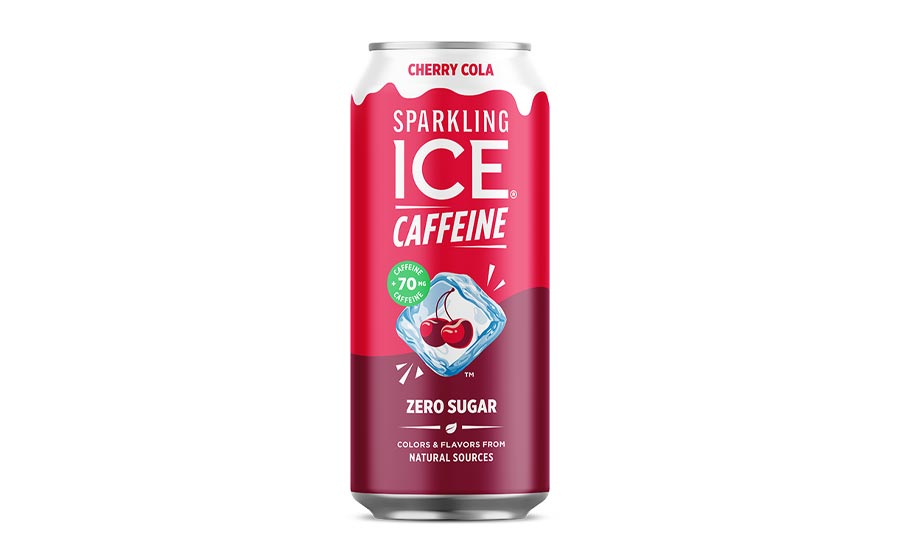
Beverages also have taken center stage with promotion deals at convenience stores. Talking Rain Beverage Co. launched Sparkling Ice Caffeine Cherry Cola for a limited time exclusively at Casey’s. Throughout September, Casey’s Rewards Members were able to purchase two Sparkling Ice drinks for just $3. Additionally, in October, Rewards Members were offered the ultimate combo: a slice of Casey’s made-from-scratch pizza paired with Sparkling Ice Caffeine Cherry Cola for only $4.
“Sparkling Ice Caffeine is the perfect answer to ongoing consumer interest in caffeinated sparkling water, especially with flavors that never go out of style,” said Chelsea Sobran, vice president of convenience channel at Talking Rain, in a statement. “The caffeinated sparkling water category is driving tremendous growth, and market research shows it’s likely to reach $600 million in sales by 2027. We’re excited to give Casey’s guests an exclusive taste of the first cola-flavored sparkling water to hit convenience store coolers. The fizzy, fruity-meets-cola combo hits just right, both classic and new at the same time.”
NACS’s Lenard notes that although consumers are concerned about prices, retail outlets can promote “affordable luxuries.”
“While many consumers carefully manage expenses, especially for high-ticket items, they also are looking to treat themselves, and that’s often with a craft beverage,” he says. “You can thrift shop and still get a premium, hand-crafted beverage.”
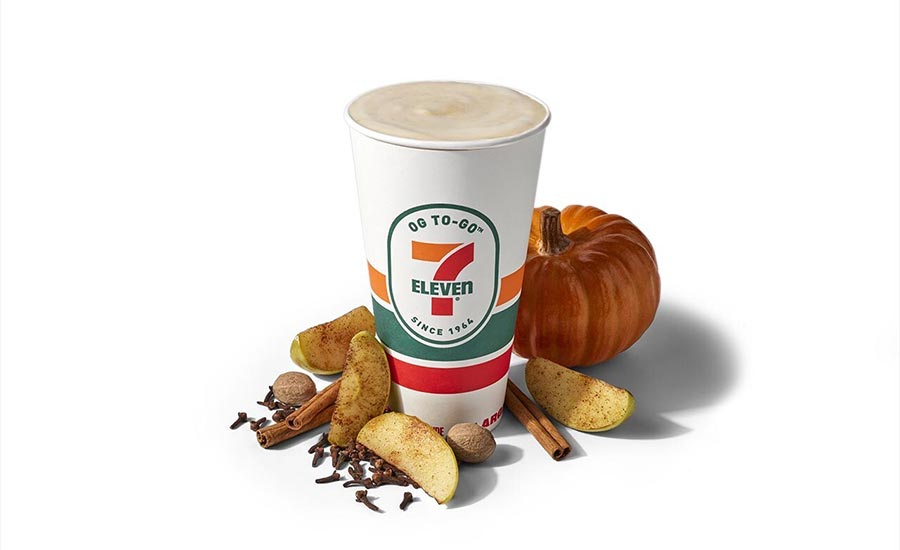
7-Eleven Inc. is tapping into consumers’ desire of specialty beverages this fall with new 7-Select Pumpkin Spice Iced Cappuccino and the Pumpkin Apple Crisp Cold Brew and Latte at participating 7-Eleven, Speedway and Stripes stores.
“At 7-Eleven, we're always looking for fresh ways to stay ahead of the trends, especially when it comes to seasonal favorites like pumpkin spice,” said Randy Quinn, senior vice president of vault and proprietary beverages at 7-Eleven Inc., in a statement. “Pumpkin season arrives earlier every year, and we want to meet our customers in that moment with fresh, exciting twists. These new coffee options are great examples of how we're continuing to innovate seasonal flavors, while still serving the warm, nostalgic taste people crave every year.”
This comes as convenience stores have a strong association as a go-to place for beverages, Lenard adds.
“NACS consumer surveys show that consumers seek out beverages more than any other option in stores, and that’s reflected in the sales data,” he says. “Packaged beverages (which excludes beer, wine and liquor) accounted for 17.9% of in-store sales and 21.2% of gross profit dollars in 2024. The synergies of key categories are significant as more than one third (37.4%) of customers who purchased packaged beverages also purchased prepared food in the same trip, according to the NACS Convenience Voices program. Foodservice plus packaged beverages accounted for 60.8% of in-store profit dollars in 2024.”
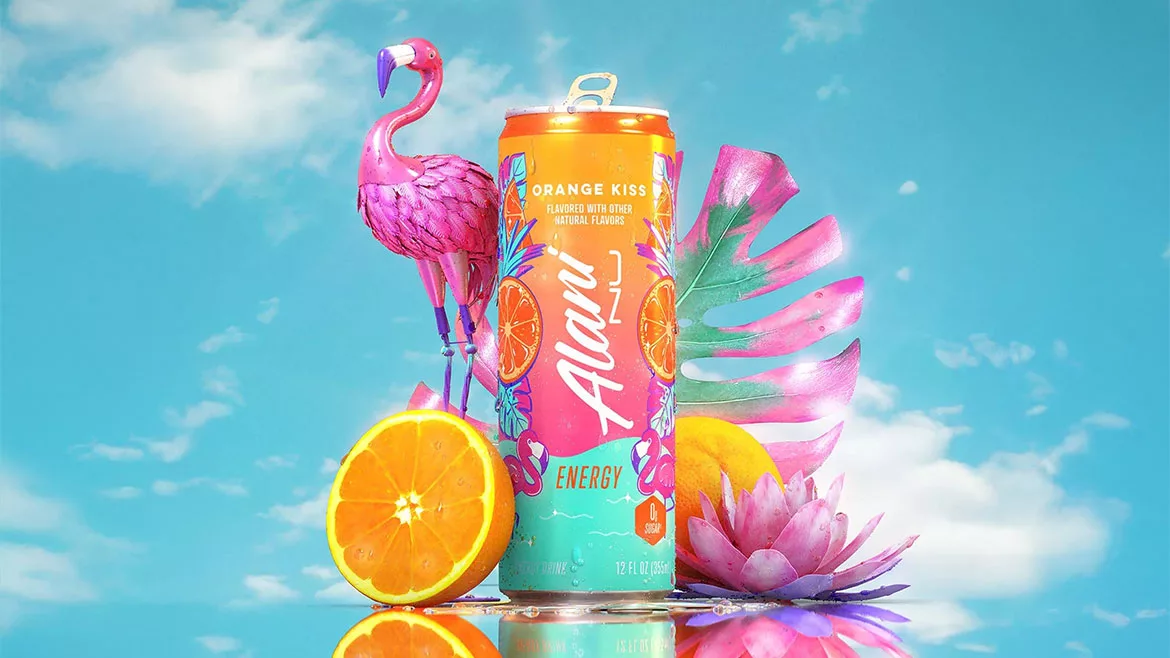
In terms of category performance, Lenard says energy drinks lead packaged beverage sales, with 27.8% of overall category dollars, with carbonated soft drinks coming in next (26%), followed by sports drinks (15%) and bottled water (12.4%). He adds that iced tea, enhanced water and all other packaged beverages combined for the remainder of category sales.
As new products enter the market, the convenience store channel also offers consumers a chance to explore these new entries.
“[T]he convenience channel represents 43% of dollar sales for total beverage alcohol,” NielsenIQ’s analysis states. “Traditional beer sales are now being outpaced by alternative offerings such as canned cocktails, low-ABV wines, hard seltzers, and even cannabis-infused beverages in legal markets.
“Consumers are eager to explore new formats that are portable, flavorful, and aligned with evolving lifestyles, it continues. “Convenience stores offer the perfect testing ground for these innovations due to their grab-and-go nature and quick inventory turnover.”
Adding that beverage alcohol is not a one-size-fits-all market, NielsenIQ’s analysis highlights the importance of the channel embracing these diverse tastes.
“Whether it’s a low-calorie spritz, a high-flavor mixer, or a botanical-infused drink, the c-store is increasingly becoming a destination for discovery rather than routine,” NielsenIQ states. “This shift presents a strong opportunity for brands to diversify and differentiate their adult beverage portfolios.”
Going forward, NACS’s Lenard notes that all retail channels are competing to be consumers’ go-to destination, but as convenience continues to drive decision-making, convenience stores have a chance to support those need states.
“Channel blurring has continued to advance where now many consumers, especially those under age 35, don’t think of distinct channels to shop but look for solutions,” Lenard says. “Most of all, they are looking for something ‘easy’ — the word most associated with convenience in our consumer surveys. Competition for that convenience customer is fierce, but convenience retailers still have the most experience in addressing their convenience needs and making it easy.”
Looking for a reprint of this article?
From high-res PDFs to custom plaques, order your copy today!