Trucks have continued to maintain their niche in America as a preferred option for urban delivery, with many top OEMs offering low cab forward options.
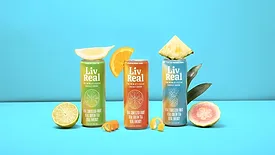
As today’s shoppers continue to prioritize products they perceive as healthier, cleaner and more functional, experts note that natural and organic retailers remain one of the brighter spots in U.S. grocery.
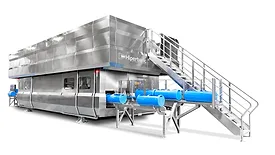
Experts within the high-pressure processing (HPP) industry share how beverage manufacturers can utilize the technology for more applications than cold-pressed juice.
The Institute of Food Technologists (IFT) returned to McCormick Place for the IFT FIRST: Annual Event & Expo where exhibitors featured an array of ingredient literature as well as prototypes featuring these solutions.
With rising interest in natural ingredients and clean label, experts highlight that the sweeteners market is being shaped by more than a broad desire to consume less sugar.
Although National Rum Month might be coming to close as August wraps, the spirit’s role in consumers’ imbibing celebrations continues to shine and BACARDÍ Rum is helping to build upon that legacy.
Taking place Oct. 18-21 at McCormick Place in Chicago, PACK EXPO International 2026 will feature 2,600 exhibitors and 48,000 attendees from 40-plus vertical markets. The event gives attendees access to machinery, materials, automation, and sustainability-focused solutions in action.
 RSS
RSS