Sweetener systems evolve to meet consumer preferences
Label scrutiny, sugar reduction trends prompt innovative solutions
In the song “Changes” by David Bowie, the English musician sings about sweeping societal changes. “Ch-ch-ch-ch-changes/ Turn and face the strange/ Ch-ch-changes/ Ooh, look out, you rock ‘n’ rollers/ Ch-ch-ch-ch-changes,” Bowie sings.
Within the beverage industry, the sweetener market is experiencing sweeping changes as consumers still seek sweetness, but on new terms.
“Three-quarters of consumers believe they should reduce sugar in their diets, but they still expect beverages to taste every bit as satisfying as their full-sugar favorites,” says Emily Berg, marketing manager at Cargill, Minneapolis. “At the same time, label considerations matter: 56% of consumers say a ‘no artificial’ sweeteners’ claim is important.
“The meteoric growth of functional beverages adds another layer of complexity, since ingredients like protein and biotics often introduce flavor challenges,” Berg continues. “As a result, manufacturers need sweetening systems that can reduce sugar, support label goals and still deliver an enjoyable drinking experience.”
Sarah Diedrich, senior product marketing director of global sweetening and texturizing solutions at ADM, Chicago, echoes similar sentiments, noting that the sweeteners market is being shaped by more than a broad desire to consume less sugar.
“Consumers are not only considering how much sugar a product contains, but also where its sweetness comes from, how ingredients appear on the label and whether the finished product delivers the taste, value and benefits they expect,” she says. “This label scrutiny is also shifting shopping behaviors, with nearly 30% of consumers stating they’re trying to increase their intake of natural alternative sweeteners and 66% actively reducing or avoiding artificial sweeteners.”
Diedrich adds that consumers also are becoming more intentional about indulgence, which is especially relevant as the use of anti-obesity medications (AOMs), including GLP-1 receptor agonists, grows.
“Consumers using AOMs may eat less overall, but many still want enjoyable treats and beverages, with greater attention paid to portion size, ingredient quality and the overall experience,” she says. “This creates space for products that balance sweetness and enjoyment with portion control, reduced sugar and ingredients consumers recognize.”
Amy Chen, chief commercial officer and president of Oobli, Davis, Calif., points to consumers actively reducing sugar — moving beyond simple weight management toward a broader awareness of gut and metabolic health.
“The shift is driven by stark health realities, with 42% of Americans now living with diabetes or prediabetes and over 120 million living with obesity,” she says. “At the same time, consumers have grown skeptical of artificial sweeteners and sugar alcohols, citing aftertaste, health considerations, and growing unease about effects on blood sugar and the gut microbiome.
“The GLP-1 wave is accelerating this shift, creating a fast-growing consumer group that is actively seeking products that align with their metabolic goals and are wary of ingredients that negatively affect blood sugar and digestion,” Chen continues. “Overarching these trends is a clean label imperative: consumers want natural ingredients they recognize and can trace back to a source. This expectation is now extending into categories like sports nutrition and functional beverages that once had more latitude on ingredient complexity.”
Making a difference
With increased consumer demand for natural ingredients, experts highlight the sweeteners that beverage-makers are turning to for new product development.
Cargill’s Berg explains that beverage-makers continue to use a range of sweeteners depending on the application but notes that much of today's innovation revolves around stevia.
“Products made with non-artificial, low- and no-calorie (LNC) sweeteners are delivering double-digit growth, outpacing products made with artificial sweeteners,” she says. “Of these, stevia remains the most widely used because it offers great taste, favorable cost-in-use and can support a range of sugar-reduction targets and taste profiles.”
Berg adds that fermentation-derived stevia sweeteners like Cargill’s EverSweet are setting a new standard.
“EverSweet brings us so much closer to the sweetness quality and temporal profile of sugar compared to early Reb A stevia products,” she explains. “That allows brands to improve the nutritional profile of their products without compromising taste, and in many cases, even realize cost savings compared to full-sugar formulations. When one ingredient can improve taste, nutrition, sustainability and economics, that’s a compelling value proposition.”
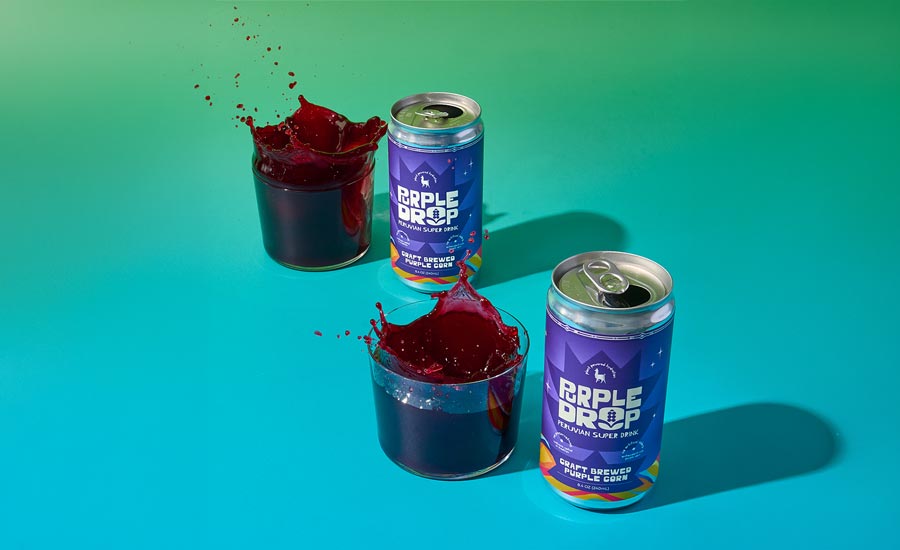 Image courtesy of Purple Drop
ADM’s Diedrich also points to stevia as a central tool in beverage sugar reduction, particularly as manufacturers look for sweetening solutions that can support clean-label positioning.
“ADM’s SweetRight Stevia Edge portfolio gives beverage manufacturers a range of options,” she says. “This includes our SweetRight Stevia Edgility, which is designed to deliver a high-quality sweetness profile and support sugar- and calorie-reduction while helping manage formulation costs, and SweetRight Stevia Edge M, which is an ideal alternative to Rebaudioside M for reduced-sugar beverage formulations.”
Diedrich further notes that ADM’s stevia solutions are especially well suited to beverages because sweetness replacement and calorie reduction are often significant development goals.
“Opportunities span carbonated soft drinks (CSDs), flavored waters, energy drinks, hydration and sports beverages, ready-to-drink teas and coffees, juices, smoothies and functional beverages, with preferences varying across age demographics,” she says. “The broader sweetener toolbox is expanding as well.
“Allulose is the fastest-growing alternative sweetener in the United States and can support sugar reduction without requiring manufacturers to rely as heavily on sugar alcohols,” Diedrich continues. “Available in syrup and crystalline formats, our SweetRight allulose delivers sugar-like taste and functionality with fewer calories, giving formulators greater flexibility to meet cost and sensory performance targets in reduced-sugar beverages.”
Oobli’s Chen calls attention to beverage-makers moving away from artificial high-intensity sweeteners due to consumer demand and tightening regulatory requirements on added sugar.
“Instead, brands are embracing newer sweetener solutions that can deliver meaningful sugar reduction while delivering on taste and consumers’ desires for natural, clean ingredients,” she says. “Sweet proteins in particular, which were originally discovered in fruits and berries grown along the equator, are gaining traction in functional and sports nutrition beverages. They offer sugar-like taste but digest as proteins; lack negative aftertastes and are compatible with complex functional matrices, including caffeine, amino acids, and botanicals; and offer non-GMO clean labels.”
Further, Chen notes that sweet proteins can be blended with other sweet proteins, other natural sweeteners like stevia, or with low levels of sugar to achieve better taste and nutritional profiles.
A complete product experience
As for what is on the horizon for sweeteners and beverages going forward, experts anticipate that sweetener systems will continue to evolve with improved innovation.
“Looking ahead, I see opportunity for innovation in beverage categories that have historically depended on artificial sweeteners, particularly zero-sugar soft drinks and energy drinks,” Cargill’s Berg says. “Continued improvements in non-artificial LNC sweetener systems, especially stevia, are making it increasingly possible to achieve the taste consumers expect with more label-friendly options. At the same time, watch for continued growth in the emerging mid-calorie space, with options that give consumers more choices between full-sugar and zero-sugar beverages.”
Oobli’s Chen considers sweet proteins to represent the most significant platform shift on the horizon.
“Oobli’s non-GMO sweet protein platform is not an incremental improvement on existing sweeteners but a fundamentally different way to deliver sweetness,” she explains. “Unlike traditional sugars and small-molecule alternative sweeteners that pass into the bloodstream and trigger glucose spikes, insulin responses, or gut microbiome disruption, sweet proteins are large biomolecules. They digest as proteins into peptides and amino acids, producing no blood sugar impact, insulin response or digestive distress, all while delivering clean taste without aftertaste.”
For the longer term, Chen anticipates that the convergence of metabolic awareness, GLP-1 adoption, and regulatory pressure on added sugar will continue to pull the entire sweetener category toward solutions that can demonstrate not just taste performance, but a meaningful functional and metabolic story.
ADM’s Diedrich says the company foresees the next phase of sweetener and beverage innovation moving the conversation from simply offering “less sugar” to delivering “smarter sugar.”
“Consumers are more aware of how sweetness, nutrition and functionality fit into specific occasions, whether they’re seeking sustained energy, hydration, performance support, emotional well-being or an intentional moment of indulgence,” she explains.” Brands have an opportunity to match the type and level of sweetness with the product’s broader purpose. Sweetening solutions, starches, flavor technology, protein, fiber and other functional ingredients can work together to support taste, mouthfeel, functionality, clean labels and cost optimization.
“These developments are especially relevant as category lines continue to blur, with sparkling waters, CSDs, energy drinks, coffees and teas incorporating benefits once associated primarily with traditional functional or nutritional beverages,” Diedrich continues. “Going forward, successful beverage innovation will depend on treating sweetness as part of the complete product experience.”
Looking for a reprint of this article?
From high-res PDFs to custom plaques, order your copy today!