Speed Meets Precision: How Servo-Controlled Liquid Nitrogen Dosing Is Shaping the Future of Beverage Packaging
As beverage manufacturers continue to push production speeds higher while pursuing greater consistency and sustainability, every component of the packaging line is being asked to perform at a higher level. From filling and capping to inspection and palletizing, precision has become just as important as throughput.
One area where this evolution is particularly evident is liquid nitrogen dosing.
For decades, liquid nitrogen has played an important role in beverage packaging, helping producers strengthen lightweight containers, improve package stability, reduce oxygen content, and support product shelf life. As line speeds increase and package formats diversify, however, traditional dosing technologies are being challenged to deliver the accuracy and flexibility modern operations require.
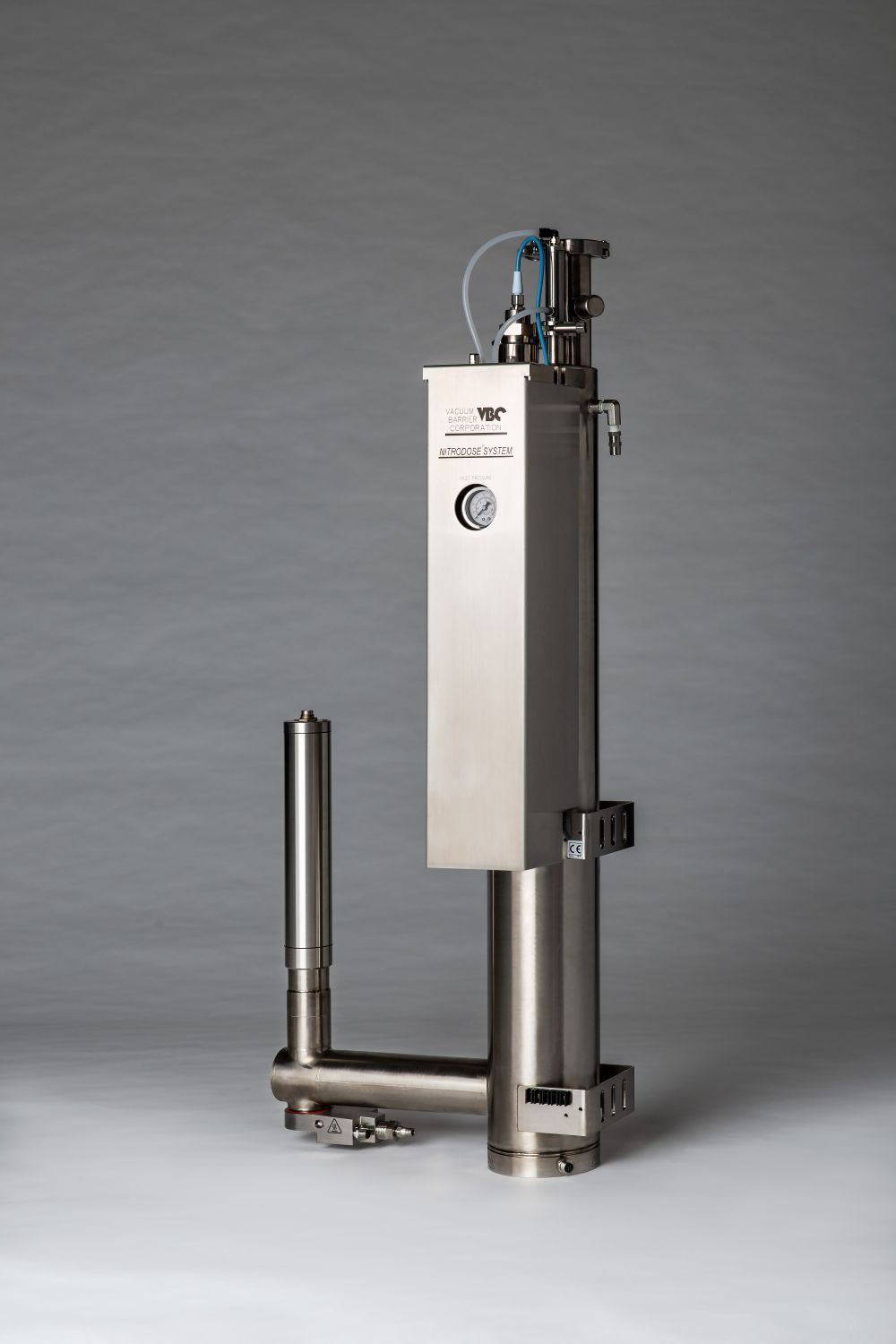 Photo courtesy of Greg Nikas Photography
Today, servo-controlled dosing systems are emerging as a significant advancement, combining high-speed performance with a level of precision previously difficult to achieve with earlier generations of technology.
Why Precision Matters More Than Ever
The beverage industry continues to face pressure from multiple directions. Brands are introducing new package sizes at a rapid pace. Sustainability initiatives are driving the use of lighter-weight containers. Production schedules are becoming increasingly dynamic as manufacturers seek to accommodate shorter runs and more frequent product changeovers.
In this environment, even minor variations in liquid nitrogen dosing can have a measurable impact.
Too little nitrogen may result in insufficient container pressurization, potentially affecting package integrity and top-load strength. Too much nitrogen can increase costs, create excessive pressure, or introduce process variability. The challenge becomes even greater as production lines operate at speeds exceeding thousands of containers per minute.
Maintaining consistent dosing under these conditions requires extremely precise control over both timing and flow.
The Evolution from Mechanical to Servo Technology
Historically, many liquid nitrogen dosing systems relied on mechanical actuation methods and fixed-nozzle configurations. While effective for many applications, these systems often required nozzle changes when package sizes changed or when manufacturers needed different dosing profiles.
Servo technology represents a different approach.
Rather than relying solely on fixed mechanical settings, servo-controlled systems use advanced electronic motion control to precisely regulate valve movement and dosing duration. This allows manufacturers to make adjustments through software rather than hardware in many cases.
The result is greater flexibility and more consistent performance across a wider range of operating conditions.
One of the most significant advantages is the ability to adjust flow characteristics without requiring extensive mechanical modifications. This can simplify product changeovers and reduce downtime, particularly in facilities producing multiple beverage formats throughout the day.
High-Speed Manufacturing Requires Smarter Control
Speed alone is no longer a differentiator in beverage manufacturing. The challenge is maintaining accuracy while operating at increasingly aggressive production rates.
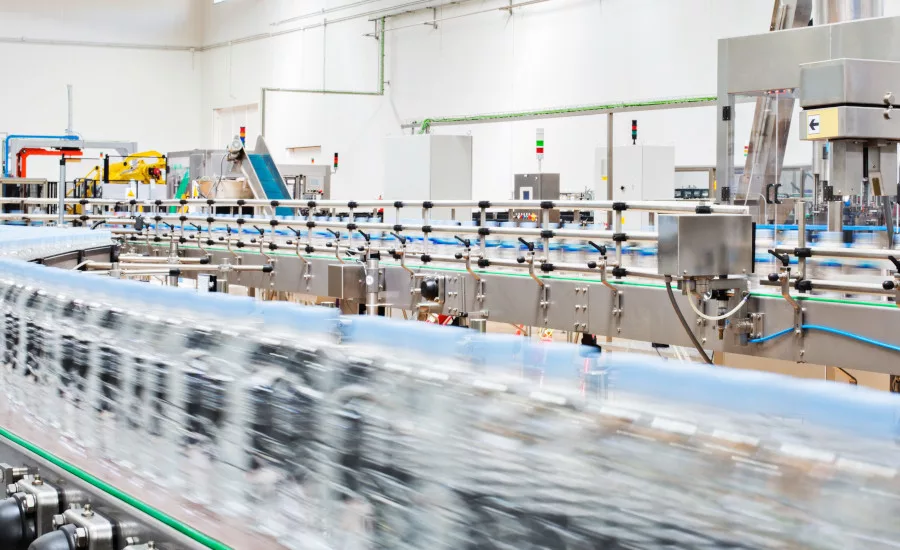
Modern beverage lines can run at remarkable speeds, requiring dosing systems to execute thousands of precisely timed dosing events every minute. Under these conditions, even slight variations in valve response time or flow characteristics can become magnified across millions of containers.
Servo-driven systems address this challenge by providing highly repeatable valve control with exceptionally fast response times. Advanced controllers can continuously monitor system performance and make real-time adjustments to maintain dosing accuracy despite changes in operating conditions.
This level of control allows manufacturers to maintain consistency at production rates that would have been difficult to achieve with earlier technologies.
 Photo courtesy of iStock / Martin Barraud
The ability to combine speed and accuracy is particularly important for non-carbonated beverages such as bottled water, energy drinks, ready-to-drink products, and other high-volume categories where packaging consistency directly impacts product quality and consumer experience.
Supporting Lightweight Packaging Initiatives
Sustainability remains one of the beverage industry's most important priorities.
Many manufacturers have reduced material use through lightweight container designs, thereby lowering transportation costs and reducing environmental impact. However, lighter containers often require tighter process control to maintain structural performance throughout filling, distribution, and retail handling.
Liquid nitrogen dosing plays a critical role in this equation by helping create internal package pressure that strengthens the container after sealing.
As container walls become thinner, dosing consistency becomes increasingly important. Precise nitrogen delivery helps manufacturers achieve desired package performance without overcompensating with excess material or excessive nitrogen usage.
Servo-controlled systems provide the repeatability needed to support these lightweighting initiatives while helping manufacturers maintain package quality standards.
Greater Flexibility for Modern Production Environments
Consumer demand continues to drive SKU proliferation throughout the beverage sector.
A single production facility may package multiple container sizes, shapes, and product types on the same line. This flexibility creates opportunities for growth but also introduces operational complexity.
Traditional changeover processes can consume valuable production time when equipment adjustments are required between runs.
Modern dosing technologies increasingly focus on digital control and recipe-based operation. Operators can store and recall validated production parameters for different products, reducing setup time and minimizing the risk of human error.
This capability allows manufacturers to transition between products more efficiently while maintaining dosing consistency from run to run.
The result is improved operational agility without sacrificing process reliability.
Data-Driven Performance and Process Visibility
Another major trend influencing beverage manufacturing is the growing use of data-driven production strategies.
Today's processing and packaging equipment is expected to provide more than basic functionality. Manufacturers increasingly seek systems capable of delivering operational insights, performance monitoring, and diagnostic information.
Advanced liquid nitrogen dosing platforms are following this trend through enhanced human-machine interfaces, real-time monitoring capabilities, and integration with broader production control systems.
Operators can visualize dosing performance, monitor process parameters, and quickly identify potential issues before they impact production.
This increased visibility supports predictive maintenance strategies, reduces unplanned downtime, and contributes to overall equipment effectiveness (OEE) initiatives.
As Industry 4.0 adoption continues to expand throughout the beverage sector, intelligent dosing systems are becoming an increasingly valuable component of connected production environments.
Looking Ahead
The future of beverage manufacturing will continue to demand higher levels of speed, flexibility, and precision.
Consumer expectations are evolving. Sustainability requirements are becoming more ambitious. Production environments are growing increasingly complex. Meeting these challenges requires packaging technologies that deliver consistent performance under demanding operating conditions.
Servo-controlled liquid nitrogen dosing represents an important step forward in this evolution. By combining precise electronic control with high-speed operation, these systems help manufacturers optimize package quality, support lightweighting initiatives, improve operational flexibility, and maintain consistency across a growing range of beverage applications.
As the industry continues to innovate, the ability to accurately control even the smallest elements of the packaging process may become one of the most important factors in achieving long-term manufacturing success.
For beverage producers seeking to maximize both speed and precision, advanced dosing technology is no longer simply an equipment upgrade; it is becoming a strategic advantage.
Looking for a reprint of this article?
From high-res PDFs to custom plaques, order your copy today!