As beverage operations manage SKU proliferation, experts highlight how software solutions provide inventory visibility, intelligent slotting and efficient product movement.
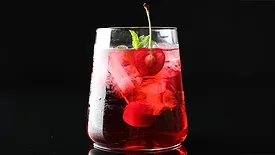
Last year, T. Hasegawa tapped Dark Sweet Cherry as its 2026 Flavor of the Year, meanwhile beverage brands have taken full advantage of the flavor trend with cherry-inspired flavor innovations.
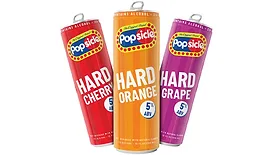
The beverage market has seen more non-alcohol brands embark on licensing partnerships with food and candy brands. Meanwhile, brand licenses also are crossing lines with non-alcohol products venturing into alcohol.
Rather than manual and automated picking as an either/or decision, experts note that voice-picking technology is playing an important role within beverage warehouse’s broader automation strategy.
As beverage operations continue to navigate SKU proliferation, experts highlight how voice-picking systems can help manage this complexity by providing precise, step-by-step instructions directly to the operator.
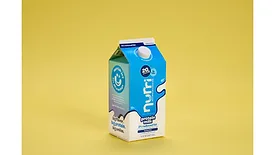
Beyond consumer demand, recycling and other sustainability measures are having an impact on beverage packaging and the materials being used, prompting interest in cartons, pouches.
This fall semester, functional meals and beverages are top of mind for college students, influencing campus dining, according to Chartwells Higher Education.
As today’s shoppers continue to prioritize products they perceive as healthier, cleaner and more functional, experts note that natural and organic retailers remain one of the brighter spots in U.S. grocery.