Convenience, affordability remain drug, dollar store channel’s sweet spot
Private label strategies to expand offerings benefit both channels
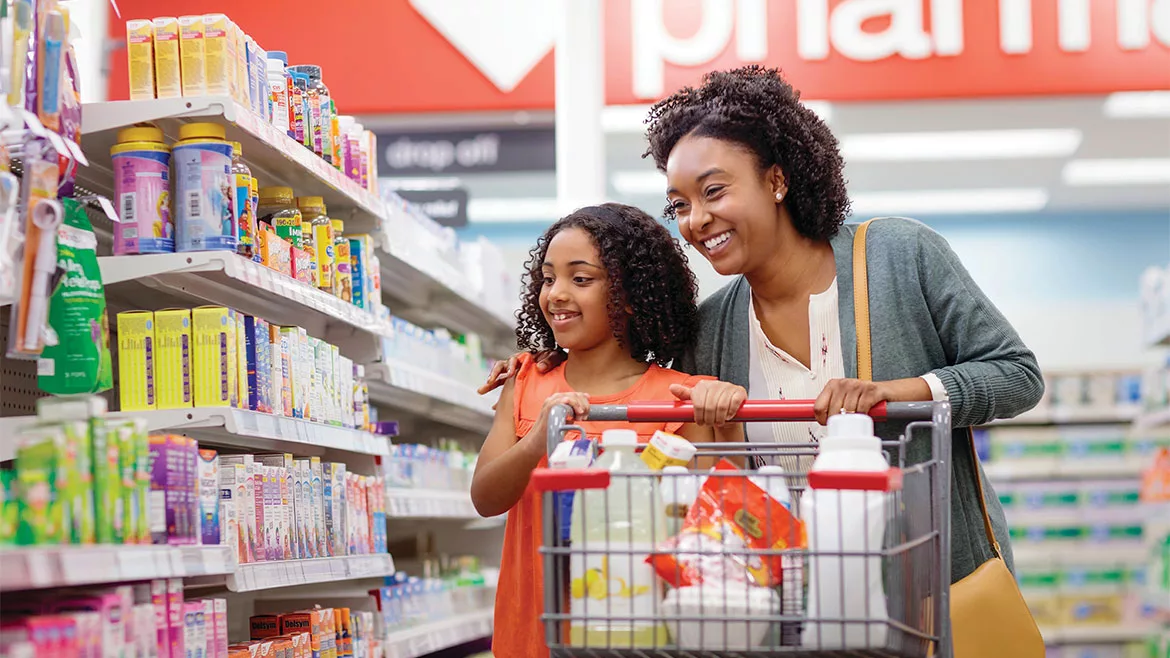
The idiom “more bang for your buck” often means getting a bigger or better result for the effort or cost spent. Today, as consumers seek economical health solutions and value-aligned brands amid the rising cost of living, experts note that for drug and dollar store chains, convenience and affordability remain key drivers for growth.
Mitch Madoff, head of retail partnerships at Keychain, New York, notes that the dollar store channel, in particular, has gained momentum over the past year, especially as consumers have become more intentional about their spending.
“Inflation has pushed more shoppers to prioritize affordability, and chains like Dollar General and Dollar Tree have benefited as a result,” he says. “By opening more stores and focusing on low-priced everyday essentials, they’ve made themselves the cheaper and more convenient option for shoppers.
“Drug stores, however, have had more of a mixed year,” Madoff continues. “CVS has maintained revenue largely due to its booming pharmacy and healthcare businesses. Walgreens has faced steeper challenges, including store closures and restructuring. Both cases reflect a broader shift — one where success lies in healthcare and wellness products, as everyday items face more competition.”
In a 2024 report titled “Drug Stores – US,” Chicago-based Mintel also notes that U.S. drug stores face strong competition, highlighting that the drug store sector must focus on its strengths in holistic healthcare services to compete.
Although high inflation and competition will continue to pose challenges for the channel, according to the report, the drug store sector was expected to see steady sales growth driven by prescription revenues, with total revenues projected to reach $384 billion in 2024, a 5.4% increase from the previous year.
Further, for 2025-26, the report projects the sector will expand by 24% with an average annual growth rate of 4.4%.
“Drug stores will focus on innovating private label offerings, including tiered pricing and sustainable packaging, to attract cost-conscious consumers,” the report states.
Keychain’s Madoff notes that with health and wellness trends impacting drug and dollar stores, both channels are taking advantage of private label strategies to expand their offerings.
“For drug stores, wellness has become less of a category and more of a growth strategy to drive traffic,” he says. “We’re seeing them expand shelf space for products like whey protein powder, giving them strategic placement for easy access and purchase. At the same time, they’re rethinking overall store offerings, leaning more into curated wellness and beauty, and expanding over-the-counter products, like fiber and herbal supplements.”
For dollar stores, Madoff notes that the channel is approaching wellness trends from a very different angle, focusing more on access and affordability.
“They’re expanding health and beauty assortments fast, adding popular vitamins and supplements like melatonin gummies to their shelves,” he explains. “This means in some cases, like in rural communities, they become the closest and most affordable alternative to a healthcare destination.”
Alongside wellness trends impacting both channels, Madoff points to how consumers are budgeting and shopping for convenience at the same time.
“Dollar stores have been especially well-positioned to win here, benefiting from their low price-points and wide inventory, making it easy for shoppers to pop in for essentials without committing to a full supermarket trip,” he says.
“Drug stores have also noticed this trend and incorporated more digital experiences for customers,” Madoff continues. “Take the CVS app as an example: shoppers can compare prices, check discounts across different over-the-counter brands, and plan purchases before they even leave the house. For Gen Z, especially, having all that information in the app aligns with their growing preference for online shopping.”
Mintel’s executive summary report also notes the trend toward online and hybrid shopping at drug stores.
“Consumers value flexible options like home delivery, in-store pickup, and mobile shopping, enhancing accessibility and ease of purchase.” it states. “Utilizing loyalty programs can help retain customers and encourage repeat business. Offering personalized rewards and discounts can enhance customer engagement and loyalty.”
Further, the report notes that investing in mobile and online shopping platforms is essential for attracting and retaining tech-savvy consumers.
“Enhancing these experiences can improve customer satisfaction and drive sales,” the report states. “Integrating AI and telehealth services can also streamline operations and improve customer experiences.
Maintaining momentum
In keeping with wellness trends, Keychain’s Madoff notes that beverages continue to be a driver across both drug and dollar store channels because they naturally fit into how people are shopping today.
“Consumers are gravitating toward drinks that not only taste good but also offer clear added health benefits, making beverages an easy add-on during a pharmacy visit or a dollar store run,” he says.
On Keychain’s platform, we’re seeing an increase in demand for better-for-you options,” he continues. “Diet cream sodas are a great example, with demand up about 50% year-over-year, showing how these channels can drive sales by offering functional beverages that feel both healthier and affordable.”
Highlighting opportunities for the drug store channel specifically, Mintel’s report suggests that stores should focus on expanding their private label brands, emphasizing quality, variety, and sustainability.
“This strategy can attract price-sensitive consumers and differentiate their offerings from competitors,” the report states.
As far as which channels act as the biggest competitors to drug and dollar store chains, Keychain’s Madoff says that big-box and mass merchandisers like Target, as well as omnichannel platforms like Amazon, are “definitely” putting pressure on both channels.
“Their wider store offerings, competitive prices, and easy delivery options make it more convenient for consumers to not only compare products, but also have them delivered straight to their door,” he explains.
Looking ahead, Madoff expects dollar store channels to remain a popular option, as they lean further into private-label products to meet the growing number of shoppers prioritizing affordable prices.
For drug store channels, he notes that the path forward is about making each visit feel useful and convenient, which means bringing innovative, easy-to-go products to the shelves that consumers walk past on their way to the pharmacy.
“At the end of the day, success across both channels will depend on whether stores can stay relevant and quickly adapt to changing consumer demands,” Madoff concludes.
Looking for a reprint of this article?
From high-res PDFs to custom plaques, order your copy today!