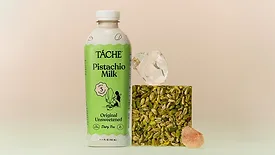
This year’s State of the Industry report on dairy alternatives notes that although the dairy alternative beverage market has slowed, brands within this space are evolving, influenced by consumer demand for broader functional benefits.
Despite premium-driven growth and RTD cocktails on the rise, experts highlight how the spirits market is facing real pressure from inflation, tighter consumer budgets, and a shift in consumer behavior.
As consumers seek economical health solutions and value-aligned brands amid the rising cost of living, experts note that for drug and dollar store chains, convenience and affordability remain key drivers for growth.
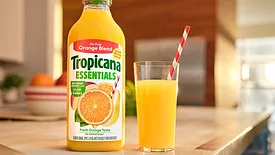
The juice and juice drink market has experienced fluctuation as consumers increasingly prioritize more natural ingredients and products. However, it is apparent that beverage-makers are working to deliver on these evolving consumer preferences.
Despite supply chain volatility, coffee continues to resonate with consumers, but fragmentation sees those additional benefits aside from caffeine pulling ahead.
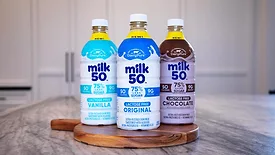
This year’s State of the Industry report on dairy drinks and alternatives notes that sales of both dairy and alternative milks are expected to stabilize as consumers seek to satisfy their varied needs by choosing products from both segments.