New Product Development for Beverage Manufacturers helps you understand the consumer trends and insights and ingredients that support those trends that are influencing the next generation of successful beverages.
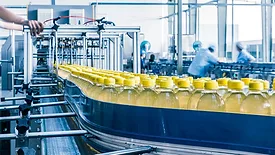
For beverage manufacturers, transitioning away from synthetic dyes is no longer just a formulation challenge. It has become an operational planning priority.
Modern consumers do their homework. They read labels, ask hard questions, and have high expectations around ingredients and the stories we tell about them.
In the beverage industry, a category spikes, innovation floods in, shelves fill up and decline is inevitable. The only question is when. But what if that assumption is wrong?
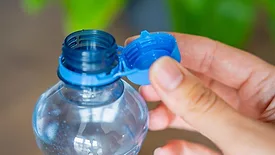
Bottled water's health benefits remain well-documented, however, headlines surrounding microplastics could be placing an uneven burden on the category.
The relaxation beverage category is expanding rapidly, fueled by rising stress levels, increased interest in functional ingredients, and a shift away from alcohol.
For years, the soft drink industry has focused on sugar reduction and fortification to improve its health credentials, yet consumer trust remains fragile. As we look toward 2026, the conversation is shifting from what is added to a drink to how it is made.
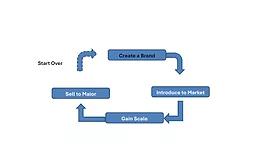
The beverage marketplace has gone through repeated cycles of fragmentation, reinvention and rediscovery. Not long ago, the narrative was that big brands were finished and the future belonged to endless niche innovation.
 RSS
RSS