The health benefits of drinking water are clear: The microplastics headlines are not
IBWA’s Matt Herrick details uneven burden directed toward bottled water packaging
The announcement from federal health and environmental agencies to study microplastics in drinking water should have been a moment for scientific clarity. Instead, it has sparked a wave of alarming headlines — often illustrated with images of bottled water — that risk misleading consumers about both the science and one of the most basic health decisions they make each day: whether they are drinking enough water.
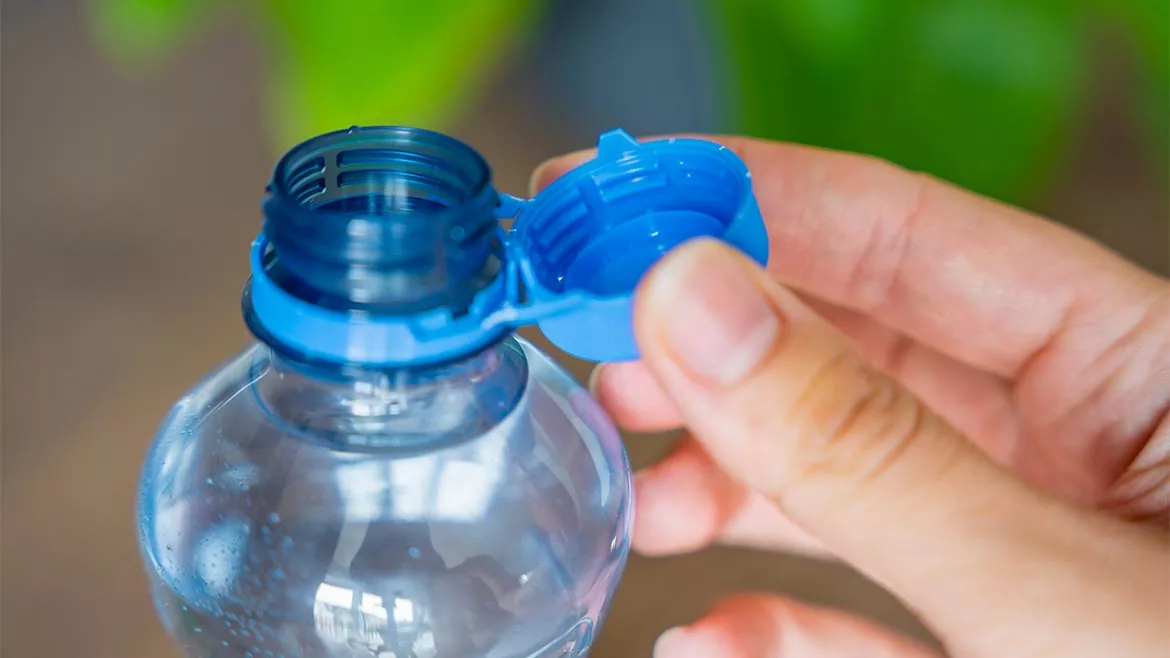
This matters because the way public health information is communicated shapes behavior in unintended ways. Time and again, news stories about microplastics in the environment are paired with close-up images of plastic beverage bottles, despite little scientific basis for singling out beverages like bottled water as a source of microplastics.
Plastic packaging is used to safely protect and increase the shelf life of nearly two-thirds of all products found in a typical grocery store like gallons of milk, bags of baby carrots and spinach, cosmetics and medications, takeaway food containers, and much more. Bottled water is just one of millions of products packaged in plastic — and notably, one of the most responsibly packaged.
PET beverage bottles are among the most widely recycled plastic packaging formats, with recycling rates that consistently outpace many other consumer product categories. Singling out bottled water is not only misleading, but it also completely ignores how this one product assumes an unequal burden of the nation’s recycling efforts while remaining the healthiest single beverage available to humans.
None of this is to suggest that microplastics should be ignored. On the one hand, lifetime consumption of plastic is 0.005 grams over 70 years — not exactly the boogeyman presented in the press. But they are present throughout the environment, and further research is both necessary and appropriate. Federal efforts to better understand their prevalence and potential health effects are an important step toward developing sound, evidence-based policy — and they deserve public attention grounded in scientific context, not premature conclusions.
Consider, for example, the widely circulated and terrifying claim that the average person ingests a “credit card’s worth” of plastic every week. When discerning scientists examined the methodology behind that figure, they found the purported concentrations were likely exaggerated by as much as a million times. Yet, that sensational claim continues to be repeated as settled fact.
Regulatory authorities, including the U.S. Food and Drug Administration (FDA), have stated that they are not aware of scientific evidence demonstrating that current levels of microplastics in food or beverages pose a risk to human health. Similarly, international bodies have concluded that existing data is insufficient to draw firm conclusions about exposure from packaging. That context is missing in news coverage and online debates. The fact that scientists are working to determine how and to what extent microplastics might affect human health is the story, not the footnote.
Meanwhile, there is a mountain of research detailing the negative impacts of underconsumption of water — or chronic underhydration — on the body. Estimates suggest that most children and adults fall short of recommended hydration levels. According to the National Institutes of Health, chronically underhydrated adults face a significantly elevated risk of serious conditions, including heart failure, diabetes, chronic lung disease, dementia and premature death. Staying adequately hydrated is one of the simplest and most effective steps people can take to support long-term health; thus, drinking water should be encouraged, never intentionally or unintentionally discouraged.
The media narrative often misses the consumer reality: 88% of Americans consume bottled water, making it the nation’s No. 1 beverage for the 10th consecutive year. It plays an essential role in daily hydration because it is portable, highly regulated, and, crucially, a healthy bargain. At roughly 2.4 cents for each ounce, it provides the healthiest beverage on the planet at a price working families can actually afford — saving them money compared with soft drinks at 8 or 9 cents, or energy drinks at nearly 27 cents an ounce.
Importantly, it is also one of the most tightly regulated food products in the United States, subject to stringent FDA standards and multi-step purification processes — including reverse osmosis, distillation, and micro-filtration — designed to remove contaminants. When consumers are discouraged from choosing water, even indirectly, the result is not neutral. It often means replacing water with less healthy alternatives, like sugar-sweetened beverages with no nutritional value, or simply drinking less overall. The public health cost of dehydration and filling up on unhealthy sugary beverages is not an evolving theory — it is well known: rising rates of chronic disease, trillions in healthcare spending, diminished military readiness, and a falling quality of life.
The ongoing work by federal agencies to develop standardized methods and better data on microplastics is a welcome and necessary step forward. It will help replace rampant and sensational speculation in the media with balance and hard evidence. Americans deserve that much — clear, evidence-based information to make informed decisions about their health. Misleading associations and overstated risks do little to advance public understanding — and only discourage one of the most basic, beneficial habits anyone can practice: drinking enough water.
Looking for a reprint of this article?
From high-res PDFs to custom plaques, order your copy today!