Preserving Coffee’s Complexity in the Age of Functional Beverages
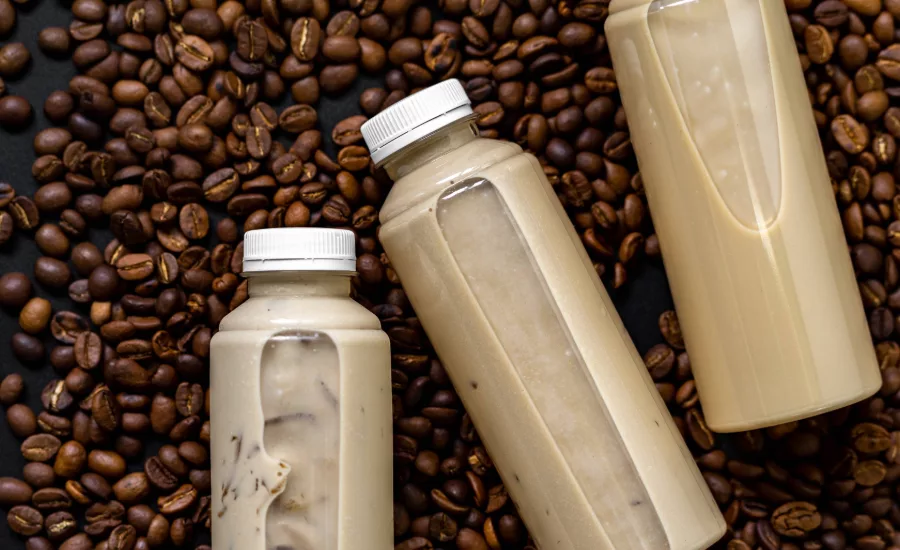
Coffee is no longer just a daily ritual. It is rapidly becoming one of the most important platforms for functional innovation in the beverage industry.
Consumers today expect more from what they drink. They are seeking energy, flavor, and functional benefits within a single product experience. According to Datassential, 61 percent of consumers are interested in purchasing functional foods and beverages.1 Across all age cohorts, consumers increasingly indicate interest in beverages that deliver multiple benefits simultaneously, known as benefit stacking, including combinations of energy, wellness, and performance benefits.2
For brands, this represents a major opportunity in one of the most established beverage categories in the world. It also introduces a formulation challenge that is often underestimated.
Coffee’s Expanding Role in Functional Beverages
The functional beverage category has historically been led by energy drinks, but consumer behavior is evolving beyond traditional formats.
Energy drinks continue to represent a relatively small share of overall caffeine consumption compared to coffee and tea, which remain the dominant daily sources of caffeine in the United States. At the same time, consumer interest in caffeine is not declining. Instead, it is becoming more intentional and more selective.
Nielsen IQ (NIQ) reports increased consumer engagement with caffeine-related search behavior, including rising interest in terms such as “contains caffeine” and “high caffeine.”3 This suggests that consumers are actively evaluating caffeine content as part of their purchase decisions, rather than consuming it passively.
Flavor remains a primary driver in beverage selection, alongside considerations such as sugar content and caffeine level.3 This reflects a broader shift in which consumers are balancing functional performance with sensory experience.
Coffee is uniquely positioned within this landscape. It delivers a trusted and familiar source of natural caffeine while offering a wide range of sensory profiles and preparation formats. Unlike traditional energy beverages, coffee also benefits from strong ritual, cultural relevance, and premium perception.
These advantages are reinforced by evolving consumption patterns. According to the National Coffee Association (NCA), a significant portion of U.S. consumers regularly engage with cold brew, nitro coffee, and other specialty coffee formats, highlighting continued expansion beyond traditional hot applications.4
Cold brew in particular has moved from niche to mainstream. Datassential reports sustained growth in cold brew consumption across both at-home and away-from-home occasions, with strong indicators of continued expansion over the next four years. This includes increased menu penetration and growing consumer familiarity with cold brew as a foundational coffee format.5
Together, these trends signal that coffee is not only maintaining relevancy but expanding its role as a platform for innovation.
Functional Coffee is Becoming a Category Expectation
The intersection of coffee and functionality is no longer emerging. It is becoming embedded in product development strategies across the beverage industry.
Health-forward claims continue to influence consumer purchase behavior. Recent consumer research indicates that added functional benefits play a meaningful role in how coffee products are evaluated. Ingredients such as protein and collagen are increasingly associated with purchase motivation, reflecting broader demand for beverages that support wellness and performance goals.4
This aligns with wider food and beverage trends, where functionality is moving from a niche attribute to a core expectation. Consumers are increasingly familiar with ingredients that support energy, recovery, focus, and general wellness, and they are beginning to expect these benefits across more categories, including coffee.
At the same time, coffee’s role as a daily habit gives it a unique advantage. It is already integrated into consumer routines, which makes it an ideal delivery system for functional innovation.
However, incorporating functionality into coffee is not without challenges.
The Complexity Behind Coffee as an Ingredient
Coffee is one of the most chemically complex natural ingredients used in beverage formulation. It contains hundreds of volatile and nonvolatile compounds that contribute to its aroma, flavor, body, and overall sensory experience.
This complexity creates formulation challenges when coffee is used as a base for functional beverages.
When proteins, minerals, botanicals, or other functional ingredients are introduced, coffee becomes part of a highly dynamic system. These interactions can influence flavor perception, alter aroma intensity, and impact overall balance.
Even minor adjustments in pH, ingredient load, or processing conditions can significantly change the final sensory outcome.
As a result, many functional coffee products struggle to maintain consistency between concept and consumer experience. While functionality may be successfully delivered, the sensory profile can be compromised, reducing repeat purchase potential.
In a category where taste remains a primary driver of loyalty, this creates a meaningful risk for brands.
Why Processing Matters in Functional Coffee Development
One of the most critical factors influencing coffee performance in formulation is how it is processed.
Traditional extraction and concentration methods often rely on heat. While effective for efficiency and scale, thermal processing can alter the chemical structure of coffee and reduce the presence of delicate aromatic compounds.
Exposure to heat and oxygen can accelerate oxidation and contribute to flavor degradation, including increased bitterness or loss of aromatic complexity. Even moderate processing temperatures can impact sensory quality, particularly in applications where coffee is combined with functional ingredients.
When coffee is already structurally simplified during processing, formulators are forced to compensate later in development. This can limit formulation flexibility and make it more difficult to achieve a balanced final product.
Preserving Coffee Integrity Through Cold Extraction
To support the next generation of functional beverages, ingredient systems must preserve coffee’s inherent complexity rather than reduce it.
Cold extraction offers an alternative approach by eliminating heat from the extraction process. This helps preserve a broader range of volatile and nonvolatile compounds, preserving the full sensory profile of coffee.
By maintaining this chemical integrity, cold-extracted coffee provides a more stable and predictable foundation for formulation.
For product developers, this enables improved integration with functional ingredients, more consistent flavor performance, and greater flexibility in product development. Rather than compensating for flavor loss, formulators can focus on building differentiated products with stronger sensory alignment.
As beverage systems become more complex, this level of stability becomes increasingly important.
Scalability and Operational Performance
Beyond formulation, scalability is a key consideration for brands bringing functional coffee products to market.
Consistency across formats, channels, and production environments is essential, particularly in ready-to-drink and foodservice applications.
Cold-extracted and concentrated coffee systems offer operational advantages that support this scalability. These include improved portion control, reduced preparation complexity, and greater efficiency in high-volume environments.
For operators, this can translate into faster service and improved consistency. For brands, it supports reliable execution across multiple consumer touchpoints while maintaining product integrity.
In a competitive beverage landscape, alignment between product quality and operational efficiency is critical to long-term success.
The Future of Coffee is Functional and Experience Driven
Coffee is evolving from a daily ritual into a high-performance platform for functional innovation.
Consumers expect more, including energy, wellness, and a strong sensory experience, all within a single product. For brands, success depends on delivering both functional benefits and consistent, high-quality taste.
Unlocking that potential requires preserving coffee integrity while enabling formulation flexibility. Done right, coffee becomes a true competitive advantage.
A Partner in Functional Beverage Innovation
At Vibrant Ingredients, we partner with brands to help navigate the complexity of modern beverage development. Through cold extraction and formulation expertise, we preserve coffee’s natural sensory profile while enabling functional applications.
From Formula to Final Sip™, we ensure every stage delivers quality, consistency, and performance.
This approach allows brands to create products that combine functionality with a premium consumer experience. In today’s market, success depends not just on innovation, but on execution and consistency. Coffee is no exception.
To explore the science behind coffee’s complexity and the role of cold extraction in functional beverage development, access the full white paper, Preserving Coffee’s Complexity in Functional Beverage Formulation.
Sources:
- Datassential Functional Foods & Beverages Report Sept 2025
- Kantar Profiles/Mintel, February 2024
- Nielsen IQ (NIQ), Navigating the Dynamic Energy Drink Market: 4 Key Trends, 2024
- NCA National Coffee Data Trends, Fall 2025
- Datassential 2025 Buzz Topical Report: Cold Brew Coffee
Kelsey Anderson
Brand Manager, Vibrant Ingredients
Looking for a reprint of this article?
From high-res PDFs to custom plaques, order your copy today!