Reclassifying wellness: Navigating the new era of scrutiny in the soft drinks market
Shifting consumer views shaping beverage market
Wellness is being redefined
The soft drinks market is entering a period of unprecedented scrutiny. For years, the industry has focused on sugar reduction and fortification to improve its health credentials, yet consumer trust remains fragile. As we look toward 2026, the conversation is shifting from what is added to a drink to how it is made. Awareness of ultra-processing and the rising influence of weight-loss medications are fundamentally changing how consumers perceive wellness in the beverage aisle.
Rather than seeking out functional “super-drinks,” today’s consumers are increasingly focused on avoidance and moderation. They are looking for products that fit seamlessly into a balanced lifestyle without being detrimental to their long-term health goals.
The double challenge of processing and GLP-1
The industry faces two significant headwinds that are reshaping consumer behavior. First is the growing awareness of ultra-processed foods (UPF). Currently, 48% of global consumers say they know what ultra-processed food and drink is, and this knowledge is leading them to question the nutritional value of even “better-for-you” categories like juices and sports drinks.
Secondly, the rise of GLP-1 weight-loss medications is putting the link between beverages and obesity back in the spotlight. A total of 17% of global consumers state they are currently using GLP-1 medication, a figure expected to rise as nearly four in 10 people are currently on a diet to lose weight. These consumers are seeking nutrient-dense, hydrating options that support reduced appetites, moving away from products seen as empty calories.
Prioritizing naturalness and transparency
In this environment, natural has become a powerful shorthand for health. When asked what naturalness means to them, 69% of global consumers say a product should be free from synthetic ingredients, while 68% prioritize the absence of artificial ingredients.
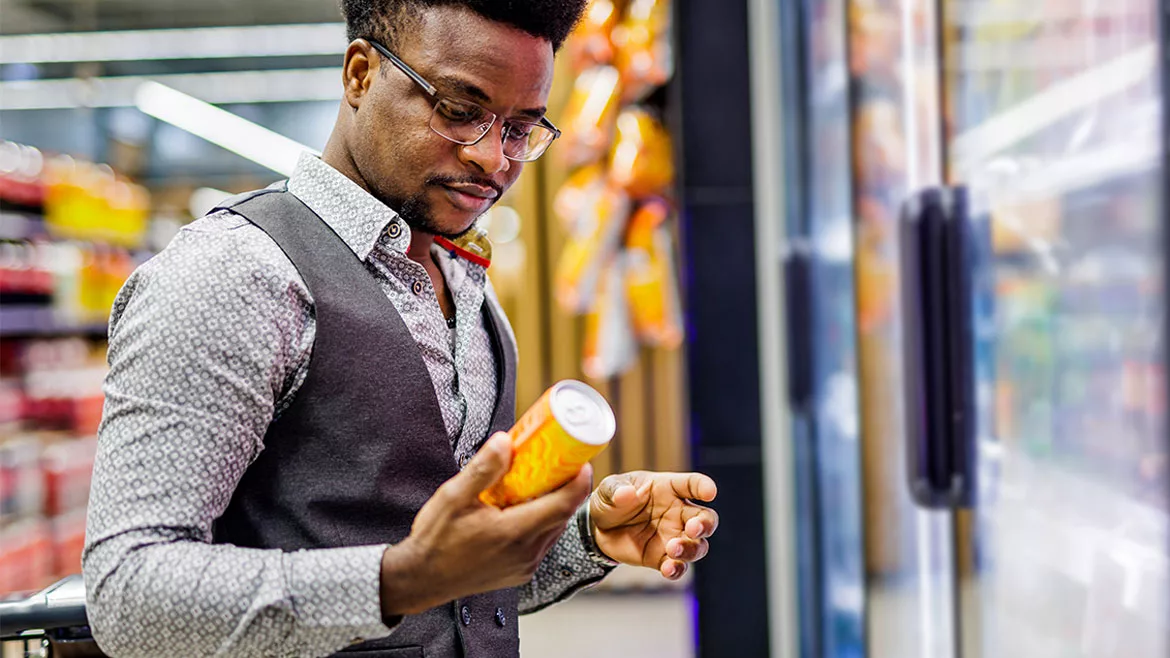
Transparency is no longer optional; it is a requirement for trust. FMCG Gurus’ research shows that over half of global consumers have become more attentive to ingredient listings over the past 12 months. This attentiveness is particularly high among older demographics, with 62% of millennials, Gen X, and baby boomers alike reporting increased scrutiny of labels.
Strategic opportunities for 2026
Success in the 2026 market will depend on a nuanced understanding of when and why consumers seek wellness. We see a clear debit-and-credit approach to health: 69% of global consumers believe it is okay to enjoy the occasional indulgent treat as part of a healthy diet.
To capitalize on this, brands should:
• Target the morning occasion: Health-consciousness peaks in the morning, making it the ideal time for products focused on pure wellness and “free-from” attributes.
• Capture the sober-curious: With 39% of global consumers who drink alcohol looking to reduce their intake, there is a major opportunity for premium soft drinks to act as sophisticated, healthier alternatives to alcohol.
• Adopt aspirational positioning: For younger consumers, especially Gen Z, wellness is a lifestyle choice. Products should move away from “diet” language and instead focus on energy, authenticity, and active living.
Ultimately, the most successful brands in 2026 will be those that embrace transparency and provide clear, simple evidence that their products support, rather than hinder, the consumer’s journey toward a balanced life.
This article is based on FMCG Gurus’ Trend Report: Reclassifying Wellness in the Soft Drinks Market - March 2026.
Looking for a reprint of this article?
From high-res PDFs to custom plaques, order your copy today!