Functional attributes, assorted flavors drive juice market growth
Sparkling juice segment shows clearest growth
Need to Know
- Demand for traditional juice offerings has softened, while functional and value-driven options are driving growth for the juice and juice drinks market.
- Sparkling juice shows clearest market growth as it generated approximately $580.3 million in sales, increasing 8.8%, data shows.
- Unit sales are down, while dollar sales are up highlighting the impact of inflation on the juice market. Sugar reduction also among key trends impacting juice.
The U.S. juice and juice drinks market witnessed growth in the past year; however, the category also is experiencing a divide, experts note.
“Over the past year, the juice market has seen a clear divide: demand for traditional staples has softened, while functional and value-driven options are driving growth,” says Mitch Madoff, head of retail partnerships at Keychain, New York. “Classics like orange and apple are still in plenty of fridges, but shoppers are buying them less often and in smaller amounts.
“Most of the category’s growth stems from juices that offer functional health benefits, like those with added protein, fiber or vitamins,” Madoff continues. “Value is also driving sales, with affordable, on-the-go options like single-serve fruit punch and juice pouches holding strong.”
Chris Costagli, vice president of thought leadership and food and non-alcoholic beverage insights lead at NielsenIQ (NIQ), Chicago, points out that the juice market experienced dollar growth in the past year, but unit sales declined.
“The U.S. juice market generated approximately $9.64 billion in sales during the latest 52 weeks ending Oct. 24, 2026, representing a 1.8% increase versus the prior year,” he says. “However, unit sales declined 3.2%, indicating that dollar growth continues to be supported primarily by pricing and mix rather than an expansion in overall consumption.”
“This creates a divided picture for the category,” Costagli continues. “Consumers continue to spend on juice, but they are purchasing fewer units overall. Growth is becoming concentrated in products that offer a more distinctive experience, including sparkling formats, varied flavor combinations and select fruit flavors. More established segments and traditional flavors remain significantly larger, but many are experiencing weaker volume trends.”
As for which juice and juice drinks are performing well and which have struggled, Costagli notes that fruit juice remains the foundation of the category.
“[A]ccounting for approximately $8.07 billion in annual sales, or nearly 84% of total juice dollar sales, dollar sales increased 1.7%, adding approximately $138.1 million versus the prior year,” he says. “At the same time, unit sales declined 3.5%, while the average unit price increased 5.4% to $4.87.”
Similarly, Keychain’s Madoff pinpoints fruit punch as witnessing a lot of growth on the company’s platform.
“Minute Maid Fruit Punch, Minute Maid Berry Punch, and Capri Sun Fruit Punch are all seeing strong growth,” he says. “Part of that is seasonal as we come out of summer, but it also shows families sticking with familiar flavors at a price that works.
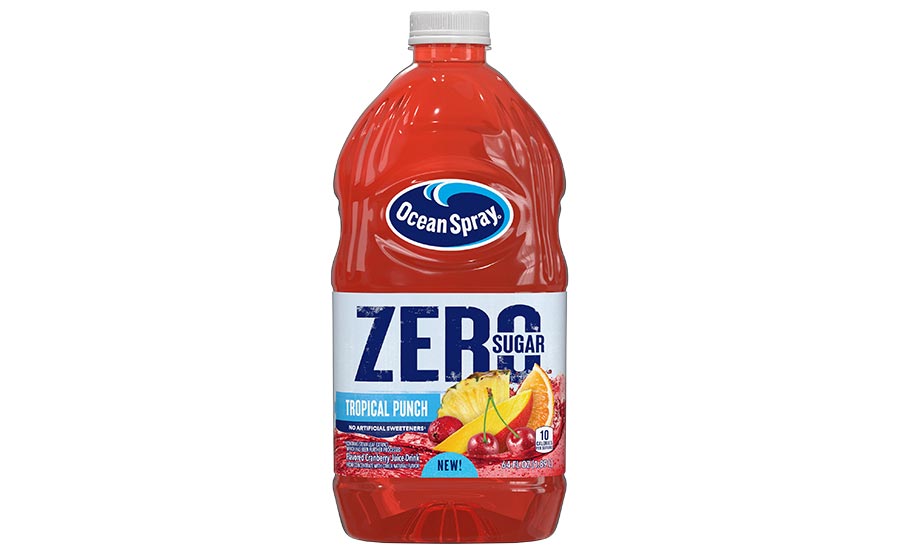 Image courtesy of Ocean Spray Cranberries Inc.
“Wellness shots are another bright spot on Keychain, with products like Ginger Shots’ Pomegranate Ginger immunity shot seeing strong growth,” Madoff continues. “They’re an easy way for shoppers to fit a health boost into their daily routine, and brands are increasingly targeting specific benefits, from immunity to gut health.”
As for which segments are struggling, Madoff points to plain single-fruit juices as losing ground.
“On Keychain, many still sell well, but their growth has slowed,” he explains. “Consumers still enjoy classic flavors like orange and apple, but at current price points, they expect more from their purchase, whether that’s added nutrition or less sugar.”
Beyond orange and apple juice, NIQ’s Costagli notes that more differentiated flavors delivered strong performance in the past year.
“Assorted flavors reached approximately $263.3 million, up 24% in dollars and 19.4% in units,” he says. “The flavor group added nearly $51 million, making it the largest dollar growth contributor among all individual juice flavors.”
Further, Costagli pinpoints smaller flavors — Strawberry blend, Watermelon, Mango and Blueberry — as expanding at notably faster rates, noting that these flavors remain smaller than orange or apple, but their performance points to stronger consumer engagement with more varied and distinctive fruit profiles.
“Importantly, several of them are generating growth through higher unit demand, rather than relying exclusively on price increases,” he says.
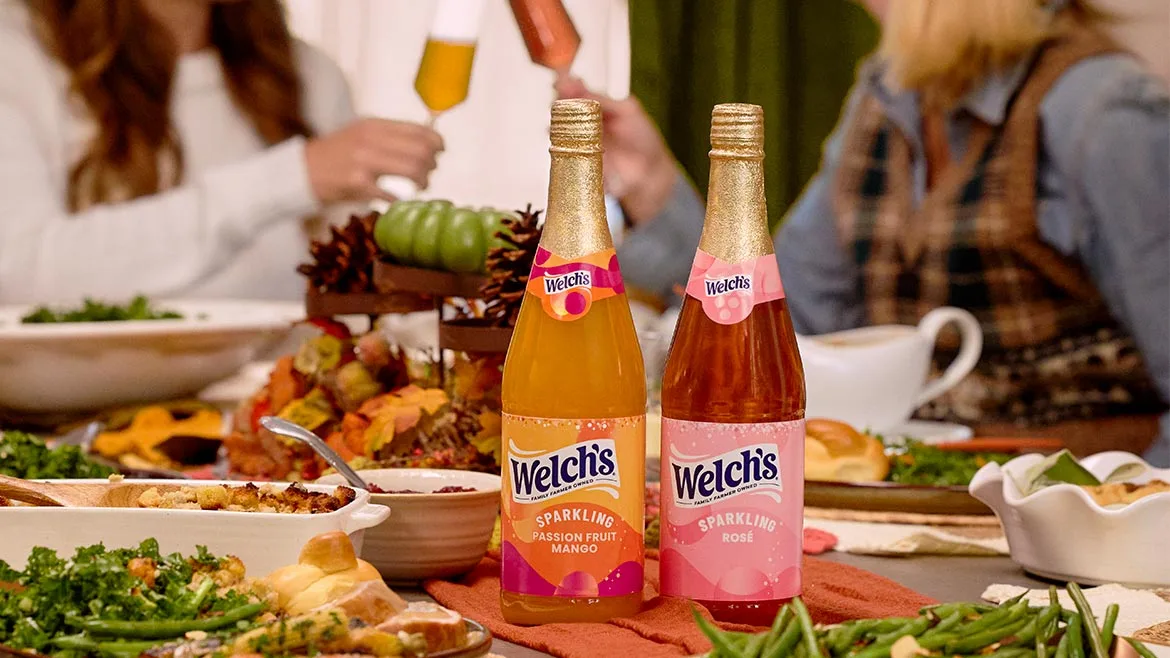
As for sparkling juice, Costalgi considers it to be the clearest growth segment in the market.
“It generated approximately $580.3 million in sales, increasing 8.8%, or approximately $47.1 million, versus the prior year,” he explains. “It was also the only major juice type to record overall unit growth, with units up 1.6%. The average price increased 7.1% to $4.78.”
Influential trends
When it comes to various trends impacting the juice and juice drinks market, experts note that inflation, particularly rising prices, continue to affect traditional juice sales.
“U.S. retail orange juice prices climbed from 2023 to 2026, and shoppers are responding by buying less or switching to cheaper alternatives, like store brands,” Keychain’s Madoff explains.
“Consumers continue to spend on juice, but they are purchasing fewer units overall. Growth is becoming concentrated in products that offer a more distinctive experience, including sparkling formats, varied flavor combinations and select fruit flavors.”
– Chris Costagli, vice president of thought leadership and food and non-alcoholic beverage insights lead at NielsenIQ
“That said, shoppers are willing to pay a premium when the value is clear,” he continues. “Juices and fruit-flavored drinks with added protein or fiber are easier to justify than standard options at a similar price. On Keychain, Protein2o’s Strawberry Watermelon protein drink is seeing strong growth.”
Regarding other trends influencing the market, Madoff says that sugar reduction is one of the biggest trends shaping the juice category.
“As shoppers become more health-conscious, they’re reading labels more closely and paying attention to how much sugar is in their drink,” he explains. “Brands are responding by cutting sugar, blending in vegetables, offering smaller serving sizes, and adding fiber and protein for a more health-forward drink. That shift is especially clear in the kids’ category, where ‘no added sugar’ has become an important differentiator.”
Madoff also notes that while immunity and gut health led nutrition trends last year, protein and fiber took the lead in 2026, and established brands are taking notice.
“Juice bar chain, Nekter, kicked off the year with a protein-focused cleanse made with Koia, and juice brand Jumex launched its first protein shake nationally at Walmart this summer,” he says. “Prebiotic fiber, in particular, is gaining momentum, appearing in everything from smoothies to kids’ juice boxes. Protein is also expanding beyond shakes into fruit-forward beverages. Startup Frosh, for example, recently launched kids’ juice boxes with five grams of protein.”
Madoff adds that brands also are combining multiple benefits into a single product, such as multivitamin shots with added fiber or magnesium.
“Innovation from adjacent categories is raising the bar as well,” he says. “The rise of prebiotic and protein-enhanced sodas and sparkling drinks is shaping what consumers expect from every beverage they buy.”
On the horizon
Looking ahead, experts weigh in on what’s in store for the juice market in the coming year.
NIQ’s Costagli anticipates that the juice category will continue to generate dollar growth despite the market becoming increasingly selective.
“Consumers are purchasing fewer juice units overall, and higher prices remain an important part of the category’s current value performance,” he explains. “At the same time, the results show that consumers are still willing to engage with juice when the offering provides flavor variety or a different drinking experience.
“Sparkling juice is the strongest example,” he continues. “It combines the fastest segment-level dollar growth with positive unit performance, setting it apart from fruit, vegetable and lemon/lime juice. Within still fruit juice, assorted flavors, pomegranate, strawberry blend, watermelon and mango also indicate demand for a wider range of flavor profiles.”
Costagli adds that the central opportunity for the juice category is to balance its established scale with greater variety.
“Traditional flavors such as orange remain essential and continue to contribute substantial dollars, but many large, familiar varieties are losing units,” he says. “Future category growth will depend on expanding the faster-moving portions of the assortment while finding ways to stabilize demand across the core products that continue to account for most juice sales.”
Keychain’s Madoff expects that shoppers will continue to reach for juices made with ingredients they recognize and that deliver a clear benefit, whether that’s fiber for digestion, protein to stay full, or vitamins for everyday wellness.
“We’ll likely see less added sugar across the board and more naturally functional ingredients, from vegetables and botanicals to added fiber and protein,” he says. “Brands that pair great taste with ingredients shoppers feel good about will keep winning consumer attention, loyalty and market share.”
Looking for a reprint of this article?
From high-res PDFs to custom plaques, order your copy today!