As the trend toward premiumization in the beverage industry grows, water quality and efficiency are moving from operational details to strategic requirements.
When considering having on-site charging stations, there are a number of key factors that all-diesel delivery fleets hadn’t had to consider that can protect electric vehicle charging infrastructure.
Processing automation is useful for beverage formulators to increase efficiency while also meeting consumer and beverage trends like fortification and natural sweeteners.
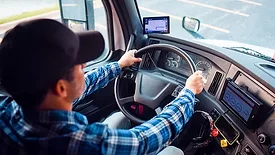
Associations have highlighted the dearth of professional drivers, which is part of the reason fleets continue to integrate more light- and medium-duty vehicles that don’t require a CDL to operate.
As operations continue to experience labor challenges that impact their ability to hire and retain skilled workers, experts highlight that today’s facility managers are developing a deeper appreciation for a more diverse labor pool.
The Environmental Protection Agency will move forward with the previous administration’s 2027 heavy-duty engine low NOx emission standards and implementation timeline. With this on the minds of fleet owners, engine-makers are developing platforms to meet the 2027 standard.
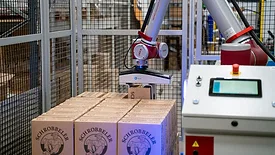
According to the latest International Federation of Robotics (IFR) World Robotics 2025 U.S. companies in the food and beverage (F&B) sector have been feasting on flexible industrial robots, driving the number of installations up by 21% in 2024.
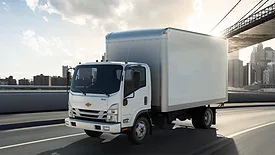
In this year’s 2026 Trucks Report, it shows there’s a little something for everyone as we gaze ahead to what delivery truck OEMs have on offer for 2026 and the years to come.
With the rapid automation of the entire food and beverage industry as well as the Food Safety Modernization Act, beverage manufacturers are seeing how vital lubricants are today.