Building a modern beverage facility
Architect-led approach provides benefits
Many considerations must be made during the facility building process, whether it is for a new build or expansion. Experts share the positives that beverage operations can experience when they work with a firm. Using an architect-led design-build approach comes with certain benefits.
Patrick Holleran, senior principal at HDA Architects, St. Louis, notes several positives:
- Single-source accountability: Architecture-led design build ensures the facility is designed around operational flow, not just construction cost.
- Faster delivery: Overlapping design and construction phases can reduce schedules by 20-30%.
- Operationally informed design: Architects with beverage experience integrate SKU slotting strategies, supplier compliance, automation requirements and fleet circulation.
- Cost control: Early integration of engineering, automation vendors and contractors reduces change orders.
- Futureproofing: Architectural leadership ensures the building can adapt to new beverage categories and automation upgrades.
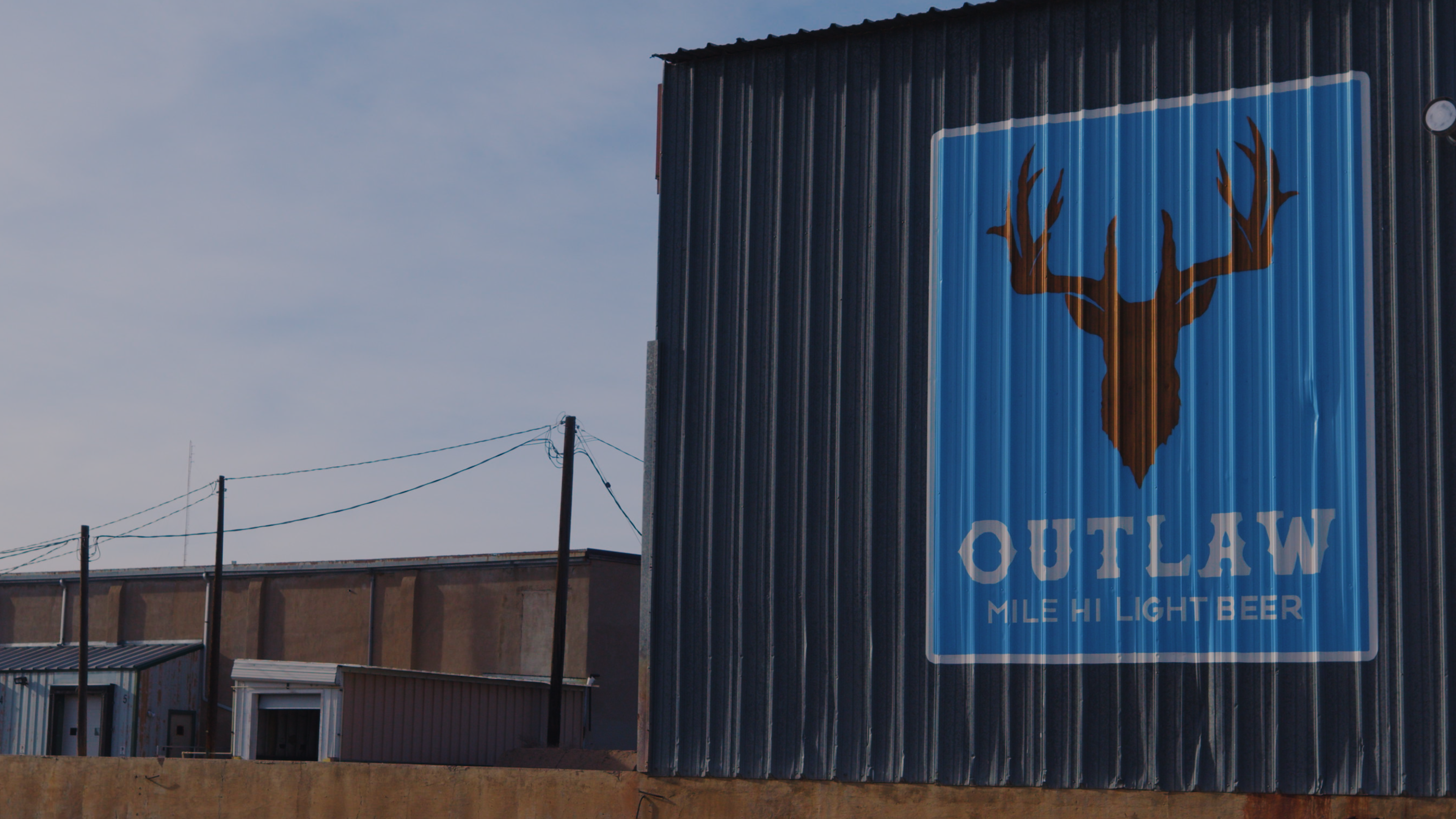
Ari Opsahl, CEO of Tivoli Brewing Co. and Outlaw Light, La Junta, Colo., says that an architectural-led design build approach can create more efficient and flexible layouts that are tailored to the specific needs of an individual operation.
“Rather than forcing the operation to fit into a generic facility design, this approach allows the building, equipment layout, utilities and workflow to be planned around how the business actually operates,” he explains. “It can also improve cost control and shorten timelines because design, engineering and construction are more closely coordinated from the beginning.”
With the right team involved early, Opsahl notes that potential issues can be identified sooner, decisions can be made more efficiently, and the final facility is more likely to support both current needs and future expansion.
J.D. Boone, vice president of Charlotte, N.C.-based A M King, adds that an architectural-led design-build approach keeps the project grounded in how the facility actually needs to function, not just how it’s constructed.
“By aligning design, engineering and construction under one team early, you reduce disconnects between intent and execution,” he says. “That leads to better coordination around process flow, fewer late-stage changes and more predictable cost and schedule outcomes.”
The biggest risk in these projects, according to Boone, is the gap between design intent and field execution, and that is what design-build is meant to eliminate.
“It allows us to engage earlier with the client’s operational team, which is critical in manufacturing environments,” he states. “We’re not just designing buildings, we’re designing how the operation actually works.”
Looking for a reprint of this article?
From high-res PDFs to custom plaques, order your copy today!