Protein market adapts to trade, formulation variables
Processing, protein sources are vital in beverage development
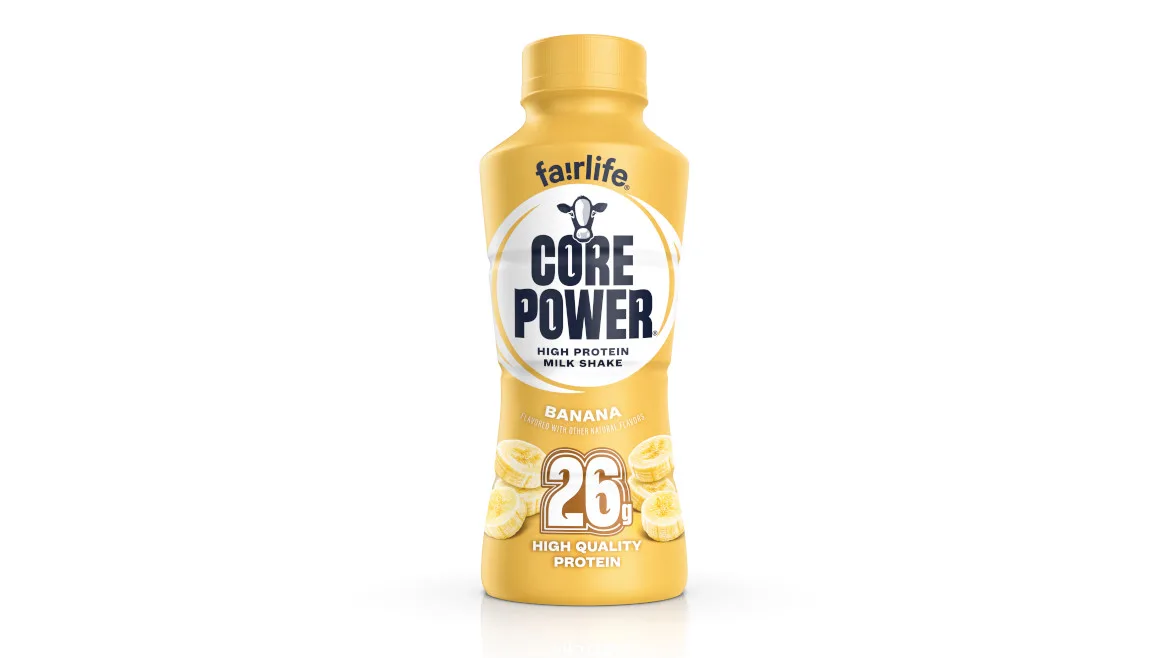
Consumers’ interest in getting more protein in their diets continues to leave its impact on the food and beverage market. However, that market was impacted by the U.S. import ban on select Canadian imports, which took effect on Sept. 29, as the restrictions includes dairy byproducts such as whey protein.
Mitch Madoff, head of retail partnerships at New York-based Keychain, notes that the market has been stretched in recent years, and this could add increased pressure to those sourcing from Canada.
“Protein demand has been increasing for a while, and whey supply was already tight, with prices for whey protein concentrate roughly double what they were two years ago,” Madoff says. “On Keychain’s platform, we’ve seen high growth over the past year in Whey Isolate Protein Powder, especially in the Designer Whey value packs. A ban on Canadian whey adds pressure to a market that's already stretched, so brands and manufacturers that rely on those ingredients are likely to feel it in price and availability.
“What we’ve seen on Keychain in the past is that when trade policy shifts like this, brands and manufacturers move quickly to line up backup suppliers and rethink where they source from,” he continues. “Over time, that could potentially push more interest toward domestic ingredient suppliers or alternative protein sources.”
Tyler Lorenzen, CEO at Minneapolis-based PURIS, highlights that the import ban is bigger than the whey market.
“Trade measures are affecting multiple dairy and plant protein ingredients, including pea protein isolate,” Lorenzen says. “But they are hitting at a time when the U.S., the world’s largest and most innovative protein market, is undergoing a fundamental shift in how people eat. Protein has moved from the gym into everyday life. Consumers want it for satiety, muscle maintenance, metabolic health and healthy aging, and GLP-1 adoption is making nutrient density even more important.
“Tariffs will not stop that demand,” he continues. “They will accelerate the move toward domestic production, diversified sourcing and more resilient supply chains. The winners will be the companies that can reliably deliver nutrition, taste and functionality at scale.”
Formulated for the masses
Yet, trade restrictions are not the only aspects influencing the protein beverage market. As these products gain a broader following, formulating for U.S. consumer palates while supporting nutritional needs is having a major influence on new product development.
Jason Dompeling, senior manager of product development at Imbibe, Niles, Ill., notes that understanding the protein level and source (animal-, plant- or fermentation-based) impacts stability.
“They also have different needs for masking and flavoring,” he says. “The concentration of the protein in the beverage also factors in, primarily from a processing and stability perspective.”
Dompeling also notes that certain proteins are only suitable in specific processing methods.
“For example, native whey protein is not heat or acid stable, so is not suitable for thermal processing or high-acid beverages,” he says. “Types of thermal processing (retort versus UHT) have different impact on the protein, therefore requiring special attention to stabilization ingredients and masking/flavoring. Scaling up a formula from pilot to commercial production is also a major risk as elements of large-scale production can impact product performance, stability, and shelf life.”
PURIS’s Lorenzen details a variety of variables manufacturers are balancing in protein beverages.
“When selecting a protein, manufacturers need to think about flavor, texture, solubility, stability, processing conditions, and the final beverage format,” Lorenzen explains. “A protein optimized for a smoothie will have very different requirements than one intended for a clear, shelf-stable refreshment beverage.
“One of the biggest challenges brands often face is balancing protein concentration with drinkability,” he continues. “That’s why ingredient functionality matters so much. At PURIS, we’ve invested heavily in technologies such as H2-IZO, our highly soluble pea protein, to help customers achieve higher protein levels while maintaining a smooth texture and clean sensory experience.”
Andrew Zumbusch, senior research scientist at Cargill, Wayzata, Minn., also highlights the importance of taste, texture and viscosity throughout the duration on the shelf.
“At high inclusion levels, both animal and plant-based proteins can bring astringency and flavor off-notes, so managing those challenges is critical to overall product success,” he says. “Sweetener systems can help formulators address those limitations, especially in reduced-sugar or no-sugar-added formulations. Options like Cargill’s EverSweet stevia sweetener + ClearFlo natural flavor combine zero-calorie sweetness with flavor-modifying properties, making it possible to deliver great taste alongside meaningful protein levels.”
Zumbusch adds thicker, creamier textures work well in meal-replacement drinks, while lighter textures are better suited for post-workout hydration options.
“Equally important, you need to maintain the desired viscosity over shelf life,” Zumbusch notes. “Proteins tend to thicken and gel over time, so protein beverages often benefit from hydrocolloids like carrageenan or gellan gum, which can help stabilize proteins and maintain a consistent viscosity.”
The pH levels within beverages also can impact protein performance.
“The closer a beverage’s pH is to a protein’s isoelectric point, the more likely the protein is to aggregate or clump,” Zumbusch says. “Solutions like PURIS ClearP and PURIS HiLo are specifically formulated to support stability in challenging pH ranges.”
Mark Smith, research manager for Dairy Nutrition at Glanbia, Chicago, explains that knowing the pH of a beverage, the thermal process it will undergo and the amount of protein that will be included will likely determine what will work in formulation.
“Most food proteins are least soluble near their isoelectric point (roughly pH 4.5-5.5), so formulators should aim well above or below that range, or use proteins and stabilizers designed for it,” he notes. “Heat treatment is the next big hurdle: UHT, retort and hot-fill can trigger aggregation or gelation, so protein, pH and minerals should be tested together under the actual process. As the amount of protein increases, viscosity rises quickly, which determines whether a drink can be thin and refreshing or thick and creamy.”
As beverage-makers explore protein in their products, suppliers are working to support those need states.
Looking for a reprint of this article?
From high-res PDFs to custom plaques, order your copy today!