Fitness as a lifestyle keeps interest on sports, protein drinks
Usage occasions, multi-functional attributes influence innovations for performance beverages
The phrase “it’s a lifestyle” highlights that a person’s interests or hobby has evolved beyond a niche, but part of their core personality. As fitness as a lifestyle proliferates, sports and protein drinks are positioned to fuel consumers embracing that mindset.
“Fitness-driven lifestyles are expanding demand beyond athletes to everyday consumers, especially Gen Z and millennials,” says Mitch Madoff, head of retail partnerships at Keychain, New York. “People want beverages that support workouts, recovery, and daily energy, and brands tapping into this through storytelling, influencer partnerships, and standout visuals are seeing stronger engagement.”
Madoff further notes the role that social media is playing in elevating sports and protein drinks.
“Bright, fun drinks that look good on an Instagram feed, like protein shakes or flavored electrolytes, are inspiring people to try new things and share them with friends,” he says. “It’s all about wellness as a lifestyle that feels social, expressive, and visually engaging.”
Additionally, with consumers looking to stay active, sports and protein drinks have benefited from this lifestyle focus.
“Sports drinks are popular with anyone looking to stay hydrated and energized, whether after a strenuous workout, a long walk outside, or just a busy day,” Madoff says.
Gary Hemphill, managing director of research at Beverage Marketing Corporation (BMC), Wintersville, Ohio, also notes how the categories have resonated with fitness lifestyle consumers, with protein getting a little more of a boost in recent years.
“Both categories are well-positioned for today’s active-lifestyle consumers,” he says. “Greater consumer demand in recent years for protein has spurred growth of that category.”
This is reflected in the most recent performances. “The sports drink category has experienced relatively soft performance in recent years while protein drinks remain a hot category, growing from a much smaller base than sports drinks,” Hemphill explains.
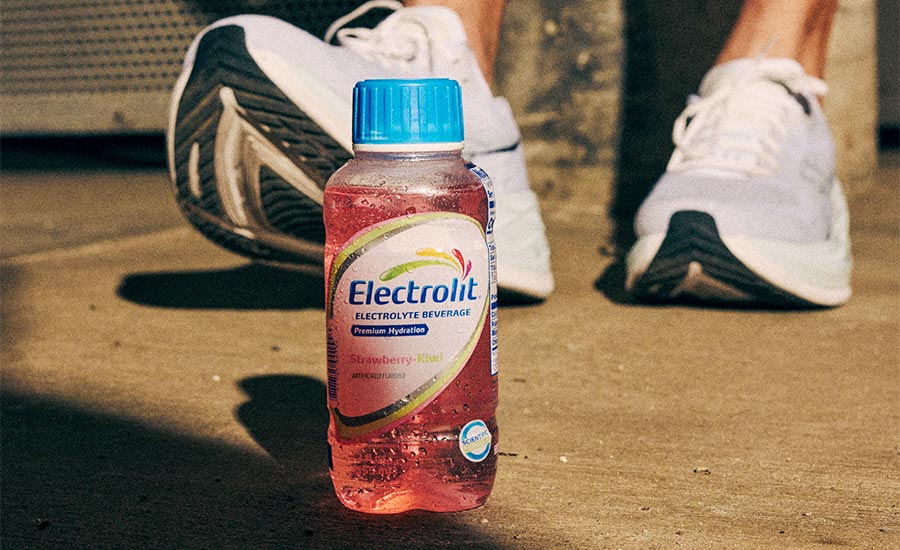 Electrolit expanded its multipack sports drink lineup with the launch of its 12-ounce Strawberry Kiwi six-pack, on shelves at Kroger, H-E-B, and Publix.
Image courtesy of Electrolit
According to BMC’s 2025 fiscal year projections, volume sales for sports drinks decreased 2.28% while volume sales for protein drinks are projected to increase 9.5% for the year. Dollar sale projections fared better with sports drinks expected to be down 0.79%, whereas protein drink projected dollar sales expected to be up 13.5%.
Despite these declines for sports drinks, the category and protein drinks still are seeing a strong connection to fitness lifestyles. Keychain’s Madoff explains that much of this synergy can be tied to consumers eagerness to get more out of their performance and workouts.
“Gen Z is drinking less soda and other traditional beverages, but they’re still reaching for options that help them stay hydrated, recover faster, and hit their protein goals,” he says. “Drinks like protein shakes and electrolyte beverages fit seamlessly into pre- and post-workout routines, making it easier to stay consistent and support overall performance.
“We’re also seeing legacy brands adapt to this shift,” Madoff continues. “V8 Energy’s move to add electrolytes to its lineup, for example, reflects a broader push to deliver multiple benefits in one product. The brands gaining traction are those that combine function with flavor, and make it feel enjoyable, not just practical.”
Sports drink brands also are taking a proactive approach to engaging with consumers about the benefits they offer. Recently, Gatorade, a brand of Purchase, N.Y.-based PepsiCo, noted that although hydration is a widely recognized problem, it also is widely misunderstood.
“One of the biggest misconceptions about hydration is that it only matters for elite athletes or extreme situations,” said Damian Browne, senior vice president of R&D at PepsiCo Beverages U.S., in a statement. “In reality, mild to moderate dehydration can build gradually across the day for most people, often without realizing it, and thirst is not always a reliable signal.”
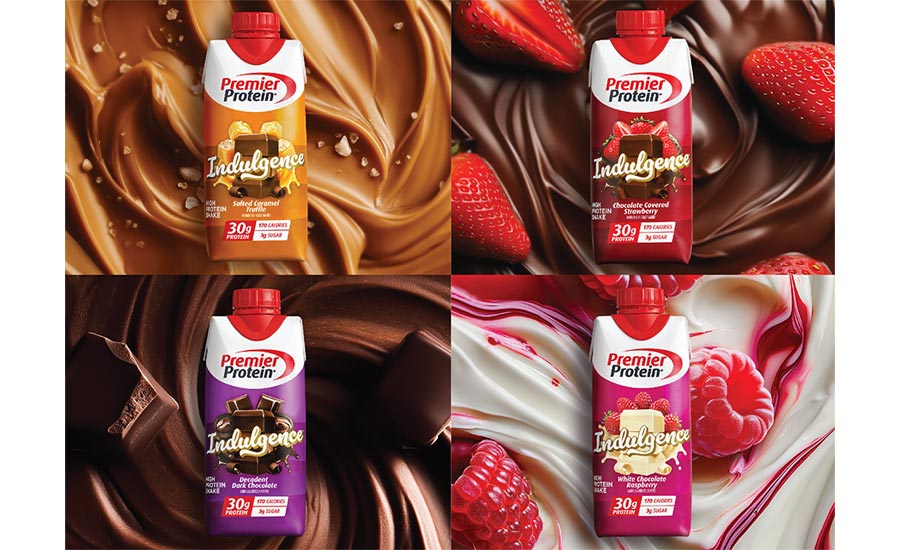 With 30 grams of protein, Premier Protein Indulgence is available in four flavors inspired by confectionary chocolates and treats: Decadent Dark Chocolate, Salted Caramel Truffle, Chocolate Covered Strawberry and White Chocolate Raspberry.
Image courtesy of BellRing Brands Inc.
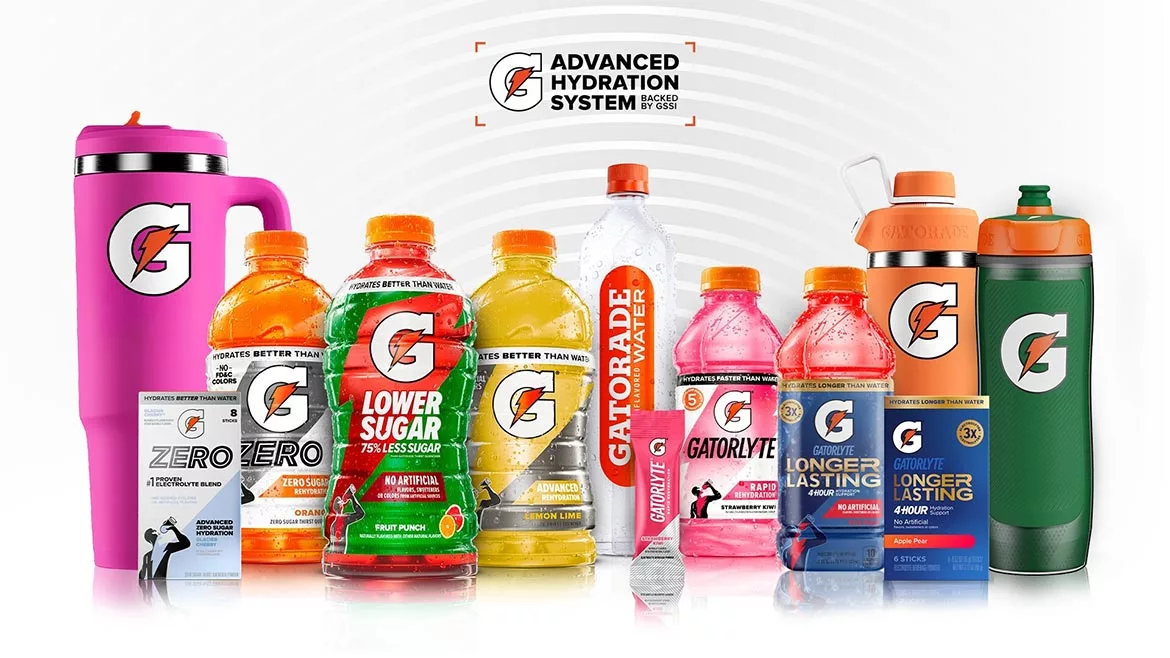
As Gatorade is prioritizing hydration education, the brand announced three changes for the brand:
- Clearer benefit messaging on packaging to address different hydration needs. The Gatorade Advanced Hydration System, a new portfolio structure, is aimed to help consumers quickly understand how products Hydrate Better, Faster, or Longer than water.
- Product innovation to serve more occasions and more people, supporting a broader range of needs, intensities and everyday moments where hydration is often overlooked. Gatorlyte Longer Lasting will begin rolling out later this year, with national availability in 2027. It includes a proprietary electrolyte blend. Gatorlyte Longer Lasting is designed to help the body retain fluid and stay hydrated longer than water.
- New formulas with lower sugar and no FD&C colors. Gatorade Lower Sugar, now available, contains no artificial flavors, sweeteners, or colors, and has 75% less sugar than Gatorade Thirst Quencher. Gatorade also is actively working to remove artificial colors from Gatorade products. Later this spring, the full powder stick portfolio will remove all artificial colors. Later this fall, three of the brand's top ready-to-drink flavors in Gatorade Thirst Quencher and Gatorade Zero — Fruit Punch, Lemon Lime, and Orange — will no longer contain FD&C colors, instead using colors from fruits and vegetables to retain the bold color that consumers expect from Gatorade, the company says.
Developed for today’s consumers
Beyond being a natural fit within the fitness lifestyle community, sports and protein drinks are tapping into the trends and need states that consumers desire.
“We’ve seen an influx of hybrid refreshment beverages entering the marketplace in recent years,” BMC’s Hemphill says. “Some sports drinks have added protein to aid in muscle recovery. Hybrid products can also help marketers seeking ways to differentiate their brands.”
“People want beverages that support workouts, recovery and daily energy, and brands tapping into this through storytelling, influencer partnerships, and standout visuals are seeing stronger engagement.”
– Mitch Madoff, head of retail partnerships at Keychain
Keychain’s Madoff further explains how functional and hybrid beverages are reshaping sports and protein drinks.
“We’re seeing protein drinks incorporate additional hydration properties or electrolytes, and today many sports drinks include protein, adaptogens, or nootropics,” he says. “Hybrid products like Protein2O’s Whey Protein 20G Isolate Hydration Drink are especially popular, appealing to consumers looking for beverages that hydrate, nourish, and enhance recovery all at once.”
Like many other beverage categories, convenience and GLP-1 usage are having an impact on sports and protein drink innovations.
“Convenience continues to drive growth, with ready-to-drink options leading the way,” Madoff says. “At the same time, rising focus on weight management, partly driven by GLP-1 popularity, is increasing demand for low-sugar, high-protein, and higher-fiber products. Functional products are also gaining traction, with options like Vital Proteins Collagen Peptides appealing to consumers focused on recovery, mobility, and overall wellness.
“And social media is amplifying this shift, with creators spotlighting at-home workouts, recovery routines, and wellness hacks that naturally incorporate functional beverages,” he continues. “Even athlete-led drops are fueling momentum: WNBA star Caitlin Clark’s limited-edition Lower Sugar Rain Berry Gatorade sold out in minutes, highlighting just how quickly these collaborations can drive excitement.”
BMC’s Hemphill adds that the broadening usage occasions is the core to the categories.
“We continue to see a broadening of consumption of sports drinks spanning across different day parts,” he says. “Gone are the days that sports drinks were solely for workouts.”
As sports and protein drinks continue to resonate with consumers, Hemphill expects the categories to mirror 2025 performances.
“Protein drinks are likely to continue to have solid growth whereas sports drinks are projected to have soft overall performance,” he says.
Keychain’s Madoff anticipates innovation will continue to permeate sports and protein drinks, driving more interest for the categories.
“We expect steady growth in the category, with a lot of that coming from continued innovation,” he says. “Sports drinks will see more functional iterations, while protein drinks will continue to blur the lines, moving into hybrid formats that address multiple consumer needs like hydration, recovery, and overall wellness. Plant-based and clean-label options will also gain traction, and social media-driven trends will continue influencing younger consumers.”
Looking for a reprint of this article?
From high-res PDFs to custom plaques, order your copy today!