Survey finds beverage purchases increasingly influenced by health
EY Consumer Beverage Survey notes impact of digital influence, generation shifts
In the more than 15 years that I have been with Beverage Industry, I’ve always enjoyed learning about the emerging ingredients and flavors that drive the next generation of beverages. One area though where this has perhaps not benefited me is the amount of time I spend in the grocery store. I find myself reading ingredient lists not just for items I intend to buy, but ones that pique my interest. Shopping trips no longer are a quick in and out.
However, research shows that this interest in ingredients is not unique to me as more U.S. consumers are immersed in ingredient lists.
EY organization released its Consumer Beverage Survey, which found three major aspects are reshaping beverage choice and consumption behavior: health, digital engagement and generation shifts. The study surveyed more than 2,500 consumers across the United States and Brazil and was fielded between Nov. 20 and Dec. 11, 2025.
Among its findings were that 58% of U.S. consumers indicated they are paying attention to ingredients in the drinks they purchase, and 52% are willing to pay more for drinks that support health and wellness goals. Meanwhile, 66% are opting for lower sugar or lower calorie drinks.
“Our research shows a clear rise in intentional beverage consumption, with consumers paying closer attention to ingredients, prioritizing functional benefits tied to health and well-being, and modifying behaviors, such as reducing sugar and alcohol intake,” said Sean Harapko, EY Americas Beverage Leader, in a statement. “These shifts signal a more informed and selective consumer, particularly among younger generations, who are reshaping demand and accelerating change across the beverage product landscape.”
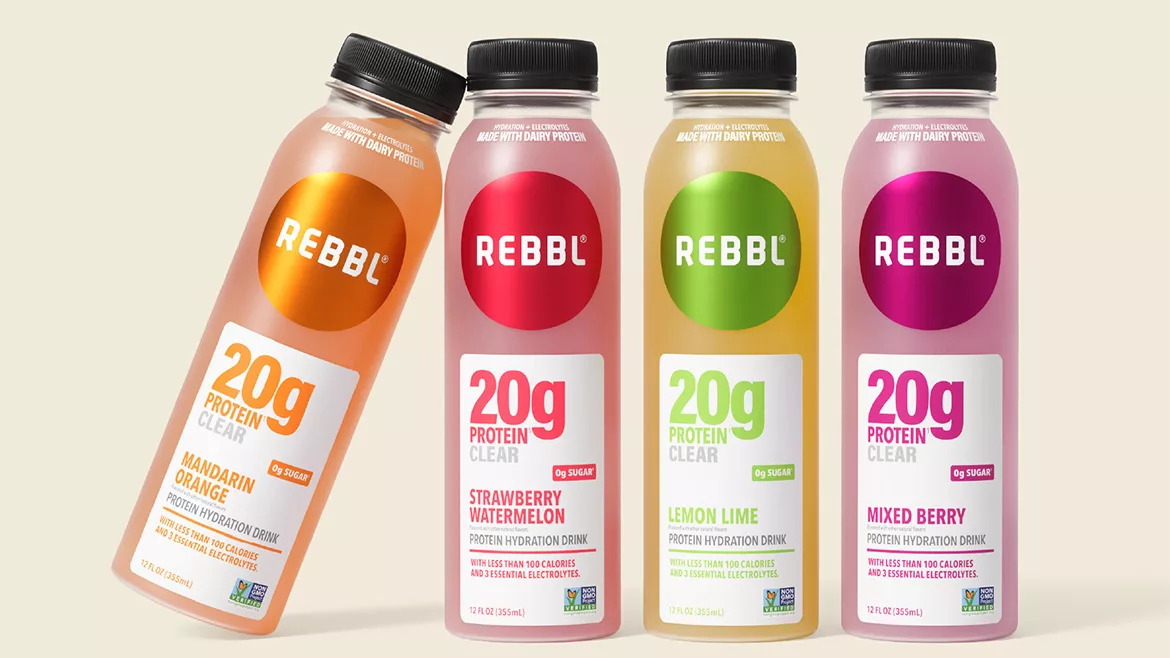
SYSTM Foods showcased this spirit when it debuted REBBL Clear Protein under its REBBL brand at Natural Products Expo West 2026. Officially launching in Q4 this year, REBBL Clear Protein delivers 20 grams of complete whey protein in a crystal-clear beverage with zero sugar and 80 calories.
“For too long, protein has meant heavy shakes that feel more like a meal than a beverage,” said Elizabeth Stephenson, CEO of SYSTM Foods, in a statement. “REBBL Clear Protein breaks that mold, delivering complete protein in a light, refreshing, zero-sugar beverage that consumers will want to reach for throughout the day.”
Meanwhile, EY’s Consumer Beverage Survey found that in Brazil, three out of four consumers cited immune support as a top benefit influencing functional beverage purchase intent.
“Consumers are rewriting the rules of the beverage aisle. Wellness isn’t a niche segment but a baseline expectation shaping formulation, claims and pricing strategy,” said Rob Holston, EY Global and Americas Consumer Products Sector Leader. “For beverage companies, the winners will be those that deliver clear benefits, build trust through transparency and meet consumers where decisions are increasingly made across apps, social channels and personalized, data-led experiences. Brands must design for multiple definitions of wellness.”
Additional insights found from the survey are the divergence across generations in terms of consumption patterns. In the U.S., social pressure to drink alcohol persists (20%), yet functional beverage consumption is surging, with 80% of Gen Z and 75% of millennials drinking alcoholic beverages at least every two weeks compared with 65% overall. In Brazil, the survey found that when it comes to alcohol consumption 57% drink at least every two weeks, however, Gen Z consumes less than older cohorts with 47% indicating as such.
Another generational divergence can be found within energy drink consumption in the U.S., 53% of Gen Z and 47% of millennials consume energy drinks at least every two weeks compared with 34% overall, the study found.
Digital outlets also are having an impact on the future of the beverage market. EY’s study found that consumers are turning to digital tools to explore functional beverages, such as online grocery recommendations (19%), fitness and health apps (17%), and loyalty apps (16%). Unsurprisingly, Gen Z indicated higher digital usage (26%) compared with other generations.
As consumers take greater consideration in their beverage choices, understanding the impacts that health, digital engagement and generation shifts have on the market will be key to support future success.
Looking for a reprint of this article?
From high-res PDFs to custom plaques, order your copy today!