Dirty sodas’ popularity continues to grow, Torani research shows
Flavor company expects flavor, function and experience to drive innovations for dirty sodas
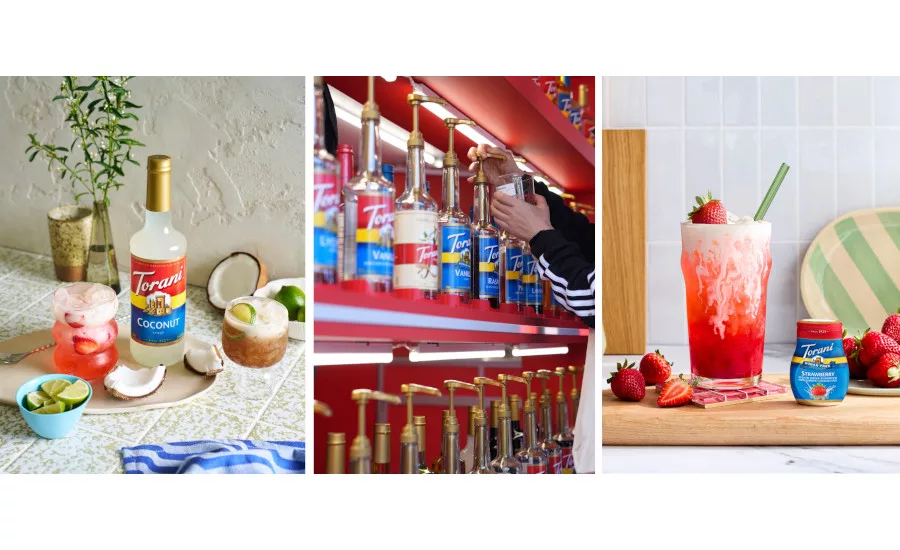
Torani has spent more than a century shaping how consumers customize beverages, including introducing the Italian soda to the United States in the 1920s and introducing flavored lattes in the 1980s, according to the company.
Now, the flavor company at the center of the dirty soda boom says personalized drinks are reshaping beverage culture in a major way. These soft drinks, enhanced with flavored syrups, creamers, and other add-ins, have become a new canvas for self-expression and personalization, according to new research from the brand.
From national beverage chains and major fast-food restaurants to home kitchens across the country, consumers increasingly are turning beverages into highly individualized flavor experiences. Torani products are used to flavor more than 1 billion beverages each year from cafes and drink shops nationwide and are stocked in more than 9 million U.S. households, the company says.
“For many consumers, the beverage experience has shifted from simply ordering drinks to building their own,” said Andrea Ramirez, senior consumer and customer market insight manager at Torani, in a statement. “Dirty soda reflects a broader cultural move toward drinks that feel personal, creative, and made for the moment.”
What began as a niche regional beverage fad has become a nationwide customization craze, thanks in part to social media, adoption by major restaurant chains, and the wildly popular reality TV series “The Secret Lives of Mormon Wives,” as recently reported by The New York Times.
Torani’s latest research indicates that dirty soda has crossed over from being a small-scale trend to a widely embraced mainstream beverage choice. Awareness among U.S. consumers jumped from 56% to 75% between 2025 and 2026, while trial doubled from 21% to 42% within the same timeframe. The number of consumers naming dirty soda as their favorite drink also more than doubled, rising from 4% to 9% year over year, while nearly 28% reported purchasing them from restaurants multiple times a week.
Consumers also are becoming increasingly more adventurous with flavor combinations, according to Torani. While classics such as coconut, cherry, peach, and vanilla continue to dominate dirty soda builds, Torani is seeing growing demand for tropical flavors, including guava and passion fruit, along with indulgent profiles like caramel, cupcake, and Torani’s newest flavor release: Cookie Butter Syrup ($10.99). Although Dr Pepper stands out as the leading base for dirty soda, other popular choices include cola, lemon-lime soda, cream soda, and root beer, along with their zero-sugar counterparts, the company notes.
As beverage habits continue to evolve, Torani is constantly expanding its innovation pipeline with products designed for the next wave of consumer behavior, including curated dirty soda flavoring kits, portable liquid drink enhancers, and sugar-free offerings that make customization and experimentation easier than ever, it notes.
Torani research indicates that dirty sodas have taken off so rapidly because the category’s format gives consumers control in deciding factors such as sweetness level, flavor combinations, cream balance and more.
Beyond drink shops and restaurants, a growing number of Americans are making dirty sodas at home, with 64% keeping two to three syrups or sauces on hand and 34% keeping four or more on hand. An impressive 62% of dirty soda drinkers report making their own versions at home, reinforcing the growing consumer shift toward accessible mixology. Torani research also points to the category’s staying power: among dirty soda drinkers, 89% say they “love” or “like” them.
Looking ahead, Torani expects beverage innovation to continue moving beyond traditional categories as consumers increasingly seek layered, customizable drinks that combine flavor, function and experience.
The company predicts the next wave of dirty soda culture will include more elevated flavor pairings, functional and “better for you” ingredients such as prebiotic and fiber-enhanced sodas, and personalized “drink rituals” that blur the lines between coffee, soda, energy drinks, hydration, and dessert beverages.
As consumer expectations evolve, Torani expects flavor to play an even larger role in how people express identity, discover new experiences, and personalize everyday routines to fit their lifestyle and mood. For Torani, dirty soda represents much more than a passing trend; it’s a continuation of a decades-long shift toward beverage customization.
Looking for a reprint of this article?
From high-res PDFs to custom plaques, order your copy today!