Tea market evolves to meet wellness trends head-on
Hybridization, flavor innovation continues to shape product development
Through a process called metamorphosis, which involves forming a chrysalis and reorganizing cells, a caterpillar turns into a butterfly. Within the realm of beverages, as functionality is becoming a baseline expectation, the tea market also is experiencing its own transformation.
“Tea ingredients are evolving from serving merely as flavor carriers to becoming functional cores that drive category innovation,” says Tom Fuzer, vice president of market strategy at HOWTIAN, a global manufacturer of stevia-based sweetener solutions. “As consumers increasingly view beverages as vehicles for wellness, tea’s naturally functional compounds, ranging from polyphenols and catechins to amino acids like theanine, are being applied with greater intent to support specific health functions. We work with tea beverage producers to keep those products appealing as they evolve.”
Fuzer adds that this shift is transforming tea from a traditional refreshment into a scientifically backed, multifunctional ingredient platform.
“Brands are leveraging tea’s broad spectrum of bioactive properties to develop products aligned with trending health territories such as energy, focus, gut health and relaxation,” he explains. “Theanine, naturally abundant in green tea, is widely recognized for its ability to promote calm and focus, giving rise to products that address emotional balance and cognitive performance.
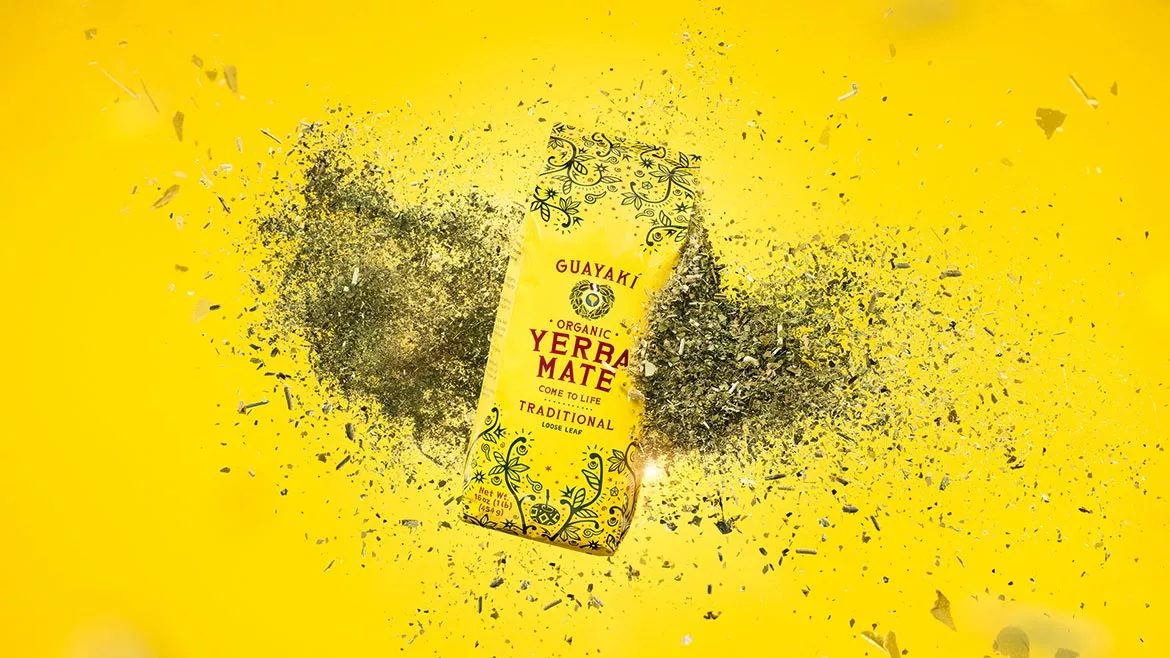
“Yerba mate, rich in natural caffeine and antioxidants, has similarly gained traction in energy and sports recovery beverages, where it delivers both stimulation and plant-based authenticity, as seen in the success of ready-to-drink yerba mate products like Guayakí,” Fuzer continues.
Further, fermented teas such as kombucha have become synonymous with digestive and metabolic wellness, Fuzer says.
“The category grew by 18.5% year-on-year in 2024, driven by its probiotic functionality and clean-label appeal,” he explains. “Meanwhile, theaflavins found in Pu’er tea are increasingly featured in sugar-controlled beverage formulations for their potential to regulate intestinal flora and bile acid metabolism. With such formulations, alternative sweeteners like stevia allow formulators to cut sugar while keeping the product enjoyable.”
Rikka Cornelia, marketing manager at MartinBauer, Secaucus, N.J., notes that in the ready-to-drink (RTD) tea segment (excluding the kombucha subsegment), functionality is emerging as a key point of differentiation.
“Energy support, digestive health and mood support all posted double-digit growth in the multi-outlet and natural channels, while more general health focus claims declined slightly, signaling a shift toward more targeted benefits,” she says. “To deliver these layered functionalities, brands are pairing tea with vitamins, prebiotics, and botanicals such as ginseng, ashwagandha and elderberry to build multi-benefit formulations.
“Beyond the traditional RTD tea segment, tea is increasingly serving as an accessible entry point for brands expanding into the broader functional beverage space or embracing hybrid innovation,” Cornelia continues. “Its familiarity and versatility make it an ideal foundation across categories — from alcohol to juice — where brands are leveraging tea’s natural health halo and clean, refreshing flavor profile.”
Moreover, hybridization continues to shape beverage innovation, Cornelia says, blurring traditional category lines and opening new occasions for tea.
“One notable example is the rise of the non-alcohol movement, where tea-based spritzers and zero-proof cocktails are gaining traction,” she explains. “With its naturally complex and aromatic profile, tea serves as a sophisticated base for crafting layered, adult-oriented beverages that deliver the refreshment and ritual of a cocktail without the alcohol.”
Cornelia adds that specialty and latte-inspired teas also are on the rise.
“Chai and matcha have successfully moved into the mainstream, while emerging varieties like hojicha are appearing in smaller cafés and boutique brands, appealing to consumers seeking discovery and roasted flavor profiles,” she says. “This shift toward premiumization and flavor exploration underscores tea’s versatility, not just as a comfort beverage, but as a creative canvas for new drinking occasions and experiences.”
Kathy Timperman, vice president of R&D at Finlays Solutions, Lincoln, R.I., notes that a range of consumer trends are fueling tea innovation in beverages.
“The ‘sober curious’ movement, stress management and the desire for permissible indulgence are all creating demand for beverages that balance flavor, enjoyment and wellness,” Timperman says. “Tea’s versatility means it can offer both traditional refreshment and new experiences when combined with botanicals, adaptogens and nootropics.”
HOWTIAN’s Fuzer points out that with the rise of the experience-driven economy, consumers increasingly seek experiences rather than just products.
“[T]ea is evolving to fit more moments and lifestyles throughout the day,” he says. “It has expanded beyond its traditional role as a daily refreshment to new contexts such as a mid-day energy boost at the office, post-workout recovery, or social-sharing occasions.
“A strong example is the rapid rise of premium matcha,” Fuzer continues. “What began as a niche café offering has become a mainstream beverage platform amplified by social-media culture. But with matcha leaf yields down by around 60% and auction prices up roughly 170% year-on-year, the category now carries a cost-risk component.”
Hybrid, flavor innovation wins the day
As tea ingredients are favorable for meeting functional beverage trends, experts highlight how beverage-makers are using these ingredients in new product development.
“Beverage-makers are exploring both classic and contemporary uses for tea ingredients,” Finlays’ Timperman notes. “While ready-to-drink teas remain popular, there is strong growth in hybrid products — such as hard teas and functional beverages.
“Finlays Solutions not only offers a diverse portfolio of tea and botanical solutions but also provides access to a team of experts ready to help navigate unique formulation challenges across a variety of beverage categories,” Timperman continues. “This combination ensures both flexible formulation and consistent quality tailored to specific needs.
HOWTIAN’s Fuzer notes how the selection and application of tea ingredients depend largely on product requirements and processing conditions.
“Manufacturers are utilizing various forms, including pure leaf extracts, blended teas, tea powders and tea concentrates, to achieve their formulation and sensory goals across both traditional tea beverages and hybrid innovations,” he says. “We collaborate with manufacturers to fine-tune flavor across these different bases.”
“A key formulation challenge today is how to deliver the sensory premium of matcha while navigating volatile raw-material costs,” Fuzer continues. “With matcha yields declining and prices surging, formulators are increasingly turning to stevia-based flavor-enhancement platforms such as our SoPure Flevia to maintain the signature ‘green, umami, creamy’ taste that consumers expect, but with a reduced matcha inclusion rate (typically 10-15% less).”
Fuzer adds that by layering in these modulators, beverage-makers can achieve sensory parity, while safeguarding margins and ensuring scale feasibility.
“This is particularly relevant for hybrid, premium, and experience-driven formats such as iced matcha lattes, sparkling tea tonics and plant-based matcha dairy alternatives,” he explains. “In short, tea ingredients are no longer just flavor carriers. They are strategic inputs shaped by supply-chain dynamics, and smart formulation design is becoming a key competitive advantage.”
As far as which tea varietals are most commonly used in beverages, Fuzer notes that major tea categories such as black tea, green tea and oolong tea remain the most widely used across beverage formulations worldwide.
Finlays’ Timperman considers black tea to be the most widely used varietal, followed by green tea in beverage applications, valued for their broad consumer appeal and positive associations with health and refreshment.
“Finlays Solutions offers a diverse range of tea extracts and concentrates, including brewed green and black tea, to support different formulation goals,” she says.
MartinBauer’s Cornelia explains that there are two main varietals of tea plants: Camellia sinensis and Camellia assamica.
“Each has distinct applications based on flavor profile,” she says. “Camellia assamica, with its robust characteristics, is ideal for bold black teas, while Camellia sinensis offers a more delicate taste, making it popular for green and white teas. Camellia sinensis, which is particularly used in China, has seen significant growth.
“Camellia assamica generally contains a higher concentration of total phenols, while Camellia sinensis has a more balanced profile of flavonoids,” Cornelia continues. “The levels of phenols and flavonoids are influenced by how the leaves are sourced and harvested. For instance, hand-picking two leaves and a bud yields the highest content, while mechanical harvesting typically results in lower levels.”
Cornelia adds that other factors, such as origin, elevation, soil quality, harvesting season and climate conditions, also play a significant role in determining phenol and flavonoid content.
“Both varietals offer substantial health benefits, including supporting cardiovascular health, potentially reducing risks associated with diabetes, and improving key metabolic markers like blood pressure, cholesterol, and blood sugar levels,” she says.
When it comes to which flavors are commonly paired with tea ingredients, Cornelia notes that classic profiles like honey and citrus remain timeless, even as emerging directions continue to push boundaries.
“Global influences are fueling creativity, with ingredients like lychee, ube, and other internationally inspired flavors adding a modern twist to tea-based beverages,” she says. “Fruit-forward blends such as blueberry pomegranate, pineapple mango and passionfruit peach are also gaining traction, while lemonade-style pairings with berries or stone fruits bring a refreshing spin to familiar favorites.
“Altogether, this wave of flavor exploration highlights how tea serves as both a familiar foundation and a creative playground for beverage innovation,” Cornelia continues.
HOWTIAN’s Fuzer notes that tea ingredients often are paired with floral flavors such as jasmine, osmanthus, rose and gardenia, as well as fruit flavors like peach, pomelo and apple, which enhance aroma and broaden consumer appeal.
Finlays’ Timperman explains that pairing tea ingredients with botanicals can help beverage-makers meet functionality goals.
“With botanicals booming, Finlays Solutions has launched a new Botanicals platform to meet rising consumer demand for natural, functional and flavorful beverage ingredients that support wellness goals,” she says. “Common botanicals include mint (refreshing and cooling, known for digestive support), ginger (a warming spice with immune and gut health benefits), ginseng (a time-tested adaptogen for focus and sustained energy) and monkfruit (naturally sweet and rich in antioxidants).”
Eyes on the future
As tea ingredients can serve as a cornerstone in functional drink formulations, experts anticipate how these ingredients are set to play an even bigger role in the future of beverage innovation.
“As consumers continue to seek health, functionality and new experiences, tea’s versatility and natural appeal will keep it central to beverage development,” Finlays’ Timperman notes. “The future is all about blending tradition and innovation to meet evolving consumer preferences.”
HOWTIAN’s Fuzer says that the future of tea ingredients lies in multi-dimensional innovation that bridges functionality, sustainability and sensory experience.
“Tea components such as catechins, theaflavins, and theanine are being studied more deeply than ever for their ability to deliver targeted health benefits, from stress relief and cognitive performance to gut health and metabolic balance,” he explains. “As the line between beverages and nutraceuticals continues to blur, tea-based bioactives are poised to play an even greater role in precision nutrition and personalized wellness.
“Sustainability and traceability are also emerging as defining priorities,” Fuzer continues. “Consumers increasingly want to know where their ingredients come from and how they are cultivated. In response, brands are partnering with suppliers who can ensure sustainable farming practices, transparent sourcing, and reduced carbon impact throughout production.”
Last but not least, Fuzer notes that flavor innovation and hybridization are reshaping how tea fits into modern beverage culture.
“There is growing interest in formats that blend tea with botanicals, fruits and adaptogens to deliver both novelty and natural function,” he says. “From sparkling tea tonics to fermented tea elixirs, the next generation of beverages will highlight tea’s versatility across sensory and lifestyle occasions.”
Looking for a reprint of this article?
From high-res PDFs to custom plaques, order your copy today!