Looking forward, Drizly highlights which drinks trends are poised to have the biggest impact on the beverage alcohol industry, surveying 1,000 adults about the drinks they plan to purchase most in 2024.
As premiumization continues to drive growth for the wine category, experts highlight how consumer engagement, demographic shifts are influencing the market.
Premiumization trends have allowed imported beers to resonate with consumers, but with inflation concerns and a potential recession, analysts express caution for the beer segment.
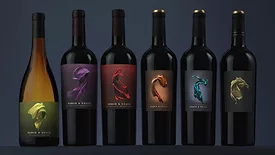
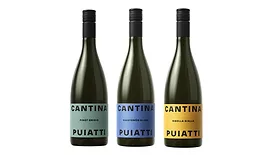
SKU proliferation has made it more challenging for beverage brands to stand out on grocery shelves. To help combat this problem, beverage-makers are ensuring their label designs draw attention to their portfolio.
This year’s State of the Industry report on the U.S. wine and spirits markets highlights the impact that premiumization and health and wellness trends are having on these categories.
Consumers in the United States are opting to spend more on their drinks in bars and restaurants as premiumization drives the recovery of the on-premise channel after COVID-19.
As consumers strike the balance between sustainability and premiumization, packaging materials like glass are amalgamating these in-demand product attributes.
After 2020 dollar sales losses, the U.S. wine market looks to rebound while keeping the category relevant and exciting through emerging styles, formats and usage, experts note.
Tasked with protecting the contents of beverages, caps and closures also are seeing trends that impact sustainable measures as well as incorporating smart technology.