With a hand in many of the trends impacting consumer packaged goods, millennials have played a role in the growth of natural, organic and non-GMO products. In conjunction with the demand for better-for-you products, consumers are looking for flavors that are perceived to be healthier.
Once a niche trend, health and wellness has gone mainstream as many market research firms have highlighted in reports. As better-for-you options abound throughout the consumer packaged goods market, beverage formulators are turning to stabilizing ingredient sources to maintain product efficacy.
Continued interest in health and wellness, back to nature and proactive health trends have resulted in consumers turning to products that boast a natural, healthy halo. Although bottled water has experienced the most notable gains from these trends, bagged, loose-leaf and ready-to-drink (RTD) teas also have benefited from their associations as better-for-you products.
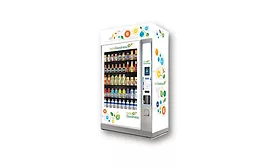
In response to consumers seeking healthier options, vending machines now stock a broader food and beverage portfolio along with the “smart” technological solutions like Apple Pay and Google Pay. On-machine signage also is helping consumers to better evaluate their choices.
Chef Roger Mooking loves giving traditional dishes an exotic twist on his Food Network Canada TV show “Everyday Exotic.” Consumers’ desire for exotic flavors also has helped push tropical fruits into mainstream beverage formulations. Yet, ingredient suppliers note that the growing demand for exotic fruits also taps into broader, mainstream trends.
Maintaining overall fitness used to be considered a niche interest. Founded in 2004, Boca Raton, Fla.-based Celsius Holdings Inc. has experienced the impact of the growing demand for health-and-wellness products in the mainstream market.
Although more than half of consumers have purchased milk, juice and/or carbonated soft drinks in the past 30 days, sales were stagnant during 2014-2015 with top categories struggling to grab consumer attention, according to Chicago-based Mintel’s June 2016 “Beverage Packaging Trends” report.
After three days and more than 46,000 steps logged on my pedometer, it’s safe to say that I saw my fair share of natural and organic products at Natural Products Expo West (page 14), which took place last month.
Beverage brands make up Top 3 for food and beverage category
April 4, 2017
Chicago-based Information Resources Inc. (IRI) announced last year’s most successful consumer packaged goods (CPG) launches in its 2016 New Product Pacesetters report, an industry-recognized benchmark analysis of exceptional first-year CPG sales success for newly launched products.
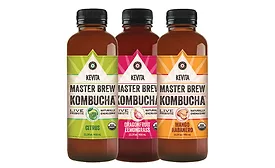
Although it has been available in the U.S. beverage market for about 15 years, kombucha has gained broad consumer appeal within the past several years, according to New York-based Beverage Marketing Corporation’s (BMC) September 2016 report titled “U.S. Ready-To-Drink Tea through 2020.” As health and wellness has progressed from a niche interest to mass consumer appeal, this beverage segment has reaped the benefits.