After achieving the position of the No. 1 most-consumed beverage category last year, the bottled water category has experienced a deceleration in growth, largely due to its large base.
As more consumers take a back-to-nature approach to their health and nutrition, recognizable, plant-based botanical ingredients like green tea, guarana, turmeric, acai, vanilla and ginger are adding functionality, healthy hydration, natural caffeine and clean-label appeal to a variety of beverages.
With consumers desiring more premium options, White Plains, N.Y.-based HEINEKEN USA took its expertise as a global brewer of major brands, including Heineken and Dos Equis, to embark on a journey to give consumers the premium beer tastes from the diverse sources that they desire.
Although the eCommerce effect has presented a new dynamic for the retail market, the convenience store (c-store) channel has shown itself to be resilient. However, experts note that the channel still is navigating other consumer packaged goods (CPG) trends in order to meet the needs of today’s consumer.
With the emergence of bottled water as the No. 1 most-consumed beverage and the growth of better-for-you products like cold-pressed juices and ready-to-drink teas, it’s clear that many consumers are becoming more aware of their everyday health. In line with this trend, consumers have become more aware of the importance of supporting their immune systems on a consistent basis as a way to prevent illness before it happens.
Whether quick-service, fast-casual or a full-service restaurant, consumers are experimenting with new flavors and seeking more premium offerings like specialty coffee, cold-brew coffee and iced tea while dining out.
Women, seniors growing demographics for sports, protein products
July 12, 2017
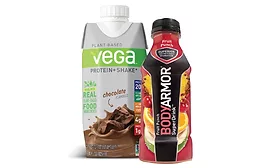
With health-and-wellness trends driving product innovation, sports and protein drinks are benefiting from a changing consumer base beyond hard-core athletes to a widening demographic including women and seniors.
The juice and juice drinks category has been challenged to maintain its share of the beverage market as consumers look for products that contain less sugar. On the upswing, juice concentrates experienced dollar sales increases of 4.5 percent for the 52 weeks ending May 14 in U.S. multi-outlets and convenience stores, and shelf-stable bottled juices were up 1.1 percent for the same timeframe, according to Chicago-based Information Resources Inc. (IRI). However, IRI data indicates that dollar sales for aseptic juices were down 0.7 percent, canned juices were down 1.6 percent and refrigerated juice/juice drinks were down 1.5 percent.
When conversing with a friend recently, I realized how much I “consume” information. I follow various local, state and national news outlets. The stack of books that I plan to read this summer includes more non-fiction than fiction. My “to watch” list is filled more with documentaries than scripted TV. However, I won’t pretend that reality shows aren’t on in the background while I am doing chores or cooking meals.