Plant milks differentiate in maturing market
Flavors and sustainability help dairy alternatives stand out in the crowd
Emerging beverages are known to have strong periods of growth, but as these categories mature, beverage-makers are finding ways to stand out not just from competing markets but also brands in the same beverage segments.
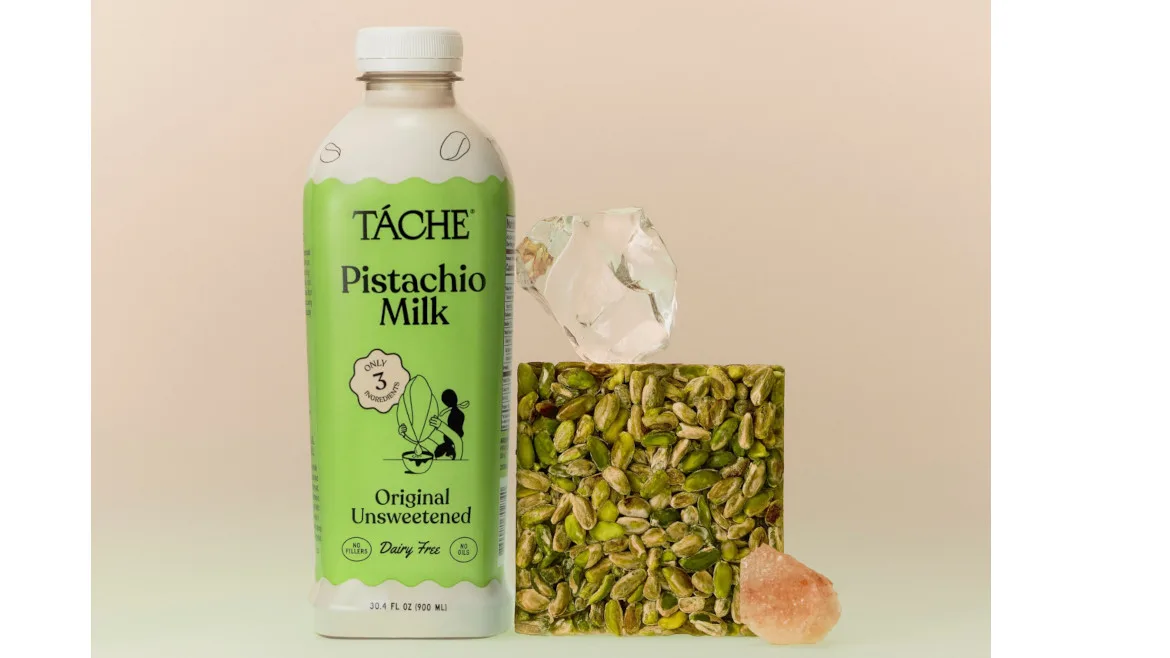
“Flavor is becoming a bigger differentiator as the category matures, with brands leaning into bolder and more indulgent profiles,” says Mitch Madoff, head of retail partnerships at Keychain, New York. “Táche’s pistachio milk is a good example, with a naturally sweet, dessert-like flavor and just three ingredients: pistachios, water and salt.”
Madoff notes the market also is seeing more seasonal innovation with plant milks, for example, flavors like pumpkin spice.
“Califia Farms brings back its Pumpkin Spice Oat Barista and Almondmilk Creamer each year, while Chobani makes Oatmilk Pumpkin Spice and MALK has a limited-edition Almond Pumpkin Spice made with real pumpkin puree and warm spices,” he says. “Banana milk is another format gaining attention, with Mooala’s Bananamilk combining bananas, roasted sunflower seeds and cinnamon for a naturally sweet, fruit-forward option.
“There’s lots of room for brands to get creative with flavor, from familiar seasonal favorites to newer profiles that can help expand how and when people use plant-based beverages,” he continues.
Maddie Segal, director of industry engagement at the Plant Based Foods Association, San Francisco, notes that although flavor can be a differentiator, they also are noticing a back-to-basics approach.
“While there has been some interesting movement around botanical flavors, like lavender, macha and cardamom, we are also seeing a strong pull back to the basics,” she says. “There will always be indulgent and holiday flavor launches, but many companies have come out with unsweetened and high-protein, unflavored options due to the consumer interest in simple ingredient lists.”
That simple ingredient list also plays a role in the sustainability aspects associated with plant, nut and seed milks, particularly as sustainability plays such a vital role for the category.
“Sustainability continues to be part of the conversation as consumers become more aware of the environmental tradeoffs associated with the different ingredients in their favorite products,” Keychain’s Madoff says. “Almond milk, for example, has faced scrutiny around its water requirements, while hemp and pea milks are seen as more eco-friendly and are winning over climate-conscious shoppers.
“That’s creating more pressure for brands to be transparent about where their ingredients come from and how their products are made, while giving consumers more information to weigh when choosing between alternatives,” he continues.
Plant Based Foods Association’s Segal notes that brands that lead with their sustainability are calling upon their contemporaries to match that energy.
“Oatly was among the very first major plant-based brands to add a carbon footprint label to their product line in 2023,” she says. “Since then, they have challenged other companies to follow suit. Brands are also increasingly sourcing grains and legumes from farms practicing regenerative agriculture, using this as a core packaging claim.”
Navigating the market
Although plant milks have benefited from growth in recent years, experts note that it’s not without its challenges, but beverage manufacturers are tackling those head on.
“Price increases from tariffs and other external factors are really impacting the entire food system right now, and plant milks have felt those impacts,” Segal says. “Companies are also navigating the recent interest in products with fewer ingredients on the label. To navigate through this time, companies have innovated to reduce the number of ingredients on their label, and some have created an added protein option.”
Keychain’s Madoff also notes that the category’s challenges have been navigating a more crowded marketplace as well as consumers being more invested in ingredients and attributes in the food and beverages they consume.
“The alternative milk aisle is crowded, and consumers are more conscious of what they’re getting for the price,” he says. “With so many products competing for attention, it’s getting harder for brands to stand out. On top of that, consumers are asking tougher questions around how products are made, what’s in them, and whether they’re worth the premium.
“Protein plays a big role here,” Madoff continues. “Many plant-based milks don’t offer as much protein as dairy, and with consumers placing more value on protein, some are opting for traditional dairy products instead.”
Madoff adds that formulation can be a challenge as brands look to balance taste, texture and shelf life while keeping the ingredient list simple.
However, beverage manufacturers are proactively responding to these needs.
“We’re seeing brands respond by simplifying ingredient lists, leaning into functional benefits, and being clearer about what sets their products apart,” Madoff says. “Like mentioned earlier, limited-edition and seasonal launches are becoming more common, giving brands a way to keep the category fresh without making a long-term commitment.
“Protein in particular has become a key selling point, with more brands putting it front and center on the label to close the gap with dairy,” hecontinues. Ripple is a good example, building its products around pea protein to deliver a higher-protein option that competes more directly with traditional milk. On Keychain’s platform, we're seeing strong growth from brands like MALK, which has built its positioning around simple ingredients and transparency. Ripple, meanwhile, is positioning its products less as a “dairy-free” swap and more as a better-for-you beverage in its own right.”
Madoff concludes that the winning brands in the plant milk/dairy alternative space are the ones that feel purposeful and authentic.
Looking for a reprint of this article?
From high-res PDFs to custom plaques, order your copy today!