Plant milks market shows signs of maturation
Plant milks embrace protein, clean ingredient lists
Need to Know
- Following years of expansion, the plant-based beverage market has entered a period of maturation.
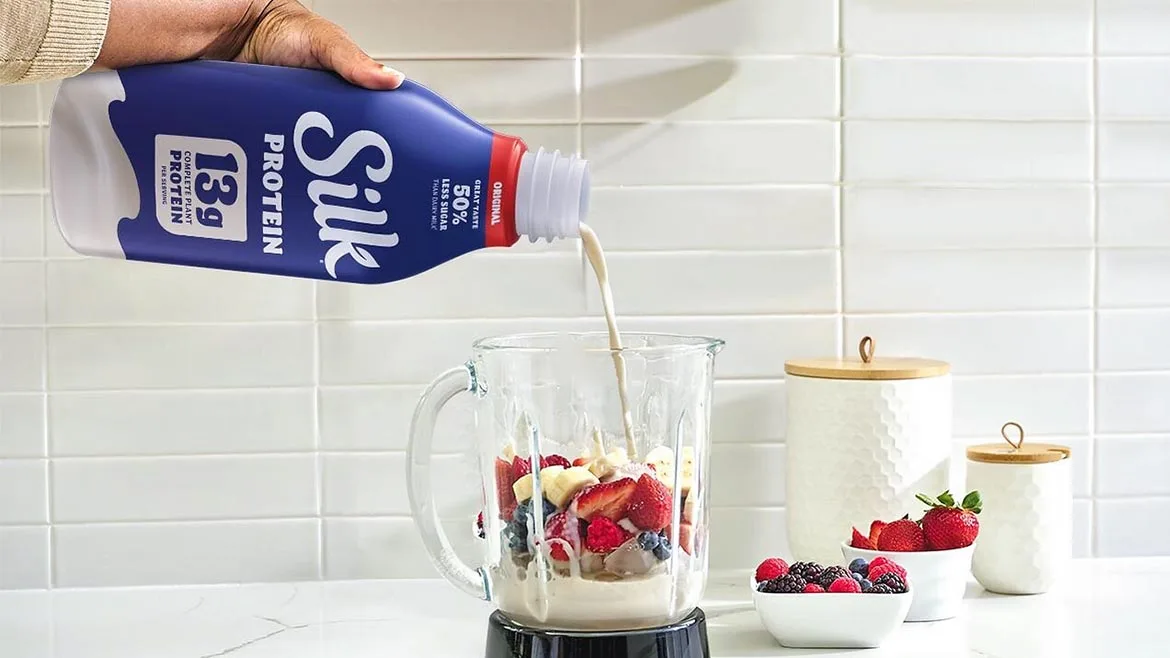
- Less ingredients, added protein, functional benefits and better taste and texture differentiators for plant-based beverages.
- Oat milk continues to gain market share. Almond milk experiences decline, but still holds largest overall market share.
Once an emerging entrant to the beverage market, plant-based milks have shown signs of reaching maturation.
“Following years of double-digit expansion, the plant-based beverage market has entered a
period of maturation,” says Maddie Segal, director of industry engagement at the Plant Based Foods Association. “Growth in developed markets (particularly North America and Western Europe) has flattened into low single digits by volume, though dollar growth remains slightly higher due to inflation-driven price increases.
“Oat milk continues to gain market share, while almond milk (though still holding the largest overall market share) has seen some volume declines,” she continues. “Soy milk remains relatively flat, while niche segments (pistachio, sesame, hybrid plant milks) show high percentage growth from small bases.”
Mitch Madoff, head of retail partnerships at Keychain, New York, explains that this maturation is prompting innovation to appeal to consumers.
“From our perspective, the category is maturing,” he says. “It’s becoming less about ‘plant-based milk’ as one broad segment and more about the specific formats, flavors and attributes that give consumers a reason to choose one product over another. That’s where we expect more of the innovation and competition to happen.”
Although consumer interest in dairy alternatives might have launched the category, health and wellness attributes are prompting interest in what they want from products and not just being a dairy substitute, Madoff notes.
“Shoppers are looking for products that offer something additional, whether that’s protein, functional benefits, or better taste and texture,” he says.
Plant Based Foods Association’s Segal also points to the added benefits that are influencing plant milks.
“Beyond simply being ‘dairy-free,’ consumers expect added benefits, such as high protein, zero added sugar, gut health support (prebiotics/probiotics), and clean-label ingredient lists,” she says. “It’s also worth noting that the majority of plant milk purchasers are non-vegans who purchase both dairy and non-dairy options. Taste, texture parity with dairy and variety drive their choices. We are also seeing growing consumer awareness around health, which has created pushback against plant milks that contain emulsifiers, stabilizers and oils.”
Leading the future
Although plant milks might be at a maturation period, the category still has segments offering growth opportunities.
“Oat milk is a growing industry leader due to its strong functionality — such as frothability for coffee — plus having neutral-sweet flavor, creamy mouthfeel and low allergy risk,” Segal says. “Coconut milk has also seen some growth due to the rich flavor, and simple ingredient list.
“Milks with a higher protein content naturally, like soy, fava, and pea have seen growing popularity due to consumer interest in increasing protein intake,” she continues. “Plant milks are distinctly popular because they can achieve multiple nutritional needs, like protein and fiber, while also being a nice option for dairy sensitive consumers.”
Keychain’s Madoff explains that plant milks that showcase a lower ingredient list while offering nutritious attributes have aligned with consumer need states.
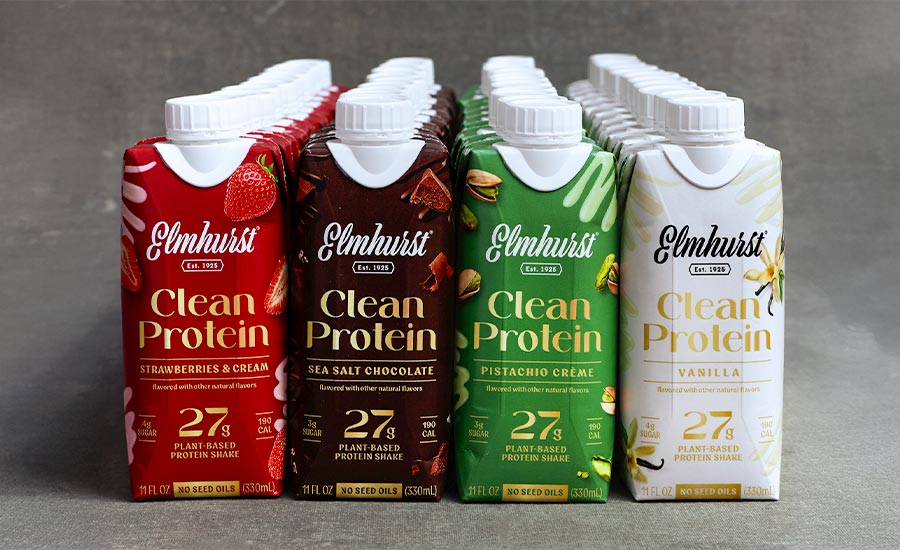 Image courtesy of Elmhurst 1925
“As consumers turn toward healthy and more differentiated options, we’re seeing a growing interest in both minimal-ingredient products and newer formats like macadamia, pistachio and banana milk,” he says. “Soy remains a good alternative, since its nutrition profile is the closest to dairy and it offers more protein than many other plant-based milk options. Coconut milk brings a tropical flavor and versatility across desserts, blended drinks and cooking, while oat and almond remain cafe staples for their creamy texture and ability to complement coffee.”
No matter what the latest vanguard entrant to plant milks, Madoff notes that consumers are choosing products based on what matters most: taste, texture, nutrition or ingredients.
“That gives brands more opportunities to differentiate and gives shoppers more reasons to explore beyond the traditional options,” he says.
As consumer interests hone in on wellness and clean ingredient lists, experts see plant milks in a position to thrive.
“Shoppers are looking for products that offer something additional, whether that’s protein, functional benefits, or better taste and texture.”
– Mitch Madoff, head of retail partnerships at Keychain
“Consumers remain interested in functionality, and plant milks are well positioned to adapt with consumer interest,” Plant Based Foods Association’s Segal says. “Whether through less ingredients, higher protein content, or added adaptogens and other functional ingredients.
“We also may see continued industry consolidation, as the largest companies are best positioned to weather the storm of higher input costs,” she continues. “However, there is always room for innovation, and we expect to continue to see novel ingredients and variety in flavor and formats.”
Keychain’s Madoff further expects the category to develop beyond the core milks.
“Looking ahead, we expect the alternative milk market to continue expanding beyond soy, almond, and oat,” he says. “Newer formats have room to grow as consumers become more health-conscious and willing to experiment with new ingredients and flavors.”
“I also think we’ll see the category become more segmented, with brands developing products around specific consumer needs and occasions,” Madoff continues. “It will be less about simply introducing another alternative to dairy and more about creating a product that gives consumers a compelling reason to choose it.”
Looking for a reprint of this article?
From high-res PDFs to custom plaques, order your copy today!