Matcha tea works its way into mainstream menus thanks to functional properties
Matcha proves to be new option with familiar benefits, flavor pairings
Often at concerts, the band or musician will feed off the crowd’s energy. If the crowd seems quiet or bored, that might be reflected in the performance they get. But if the crowd is energetic and excited, chances are, the band or musician will put on a better performance. Similarly, within the beverage industry, certain beverage ingredients perform better than others based on consumer preferences.
Jillian Hermanowicz, chief marketing officer at Vibrant Ingredients, Lake Mary, Fla., describes the consumer trends contributing to matcha tea’s performance.
“Matcha is benefiting from the intersection of several powerful consumer shifts right now — most notably functional wellness, flavor exploration and elevated beverage experiences,” she says. “We’re seeing consumers build more diverse beverage repertoires, where function, flavor and experience all play a role — and matcha is emerging as a complementary option within that mix. It delivers on multiple dimensions, from sustained energy and focus to a more intentional, ritualized drinking experience.”
At the same time, Hermanowicz notes that innovation is accelerating matcha’s appeal.
“Matcha is increasingly being paired with fruit-forward and floral flavors like strawberry and lavender, creating beverages that are both approachable and visually compelling,” she says. “That combination of function, customization and experience is what’s really driving its momentum.”
Image courtesy of Z Natural Foods
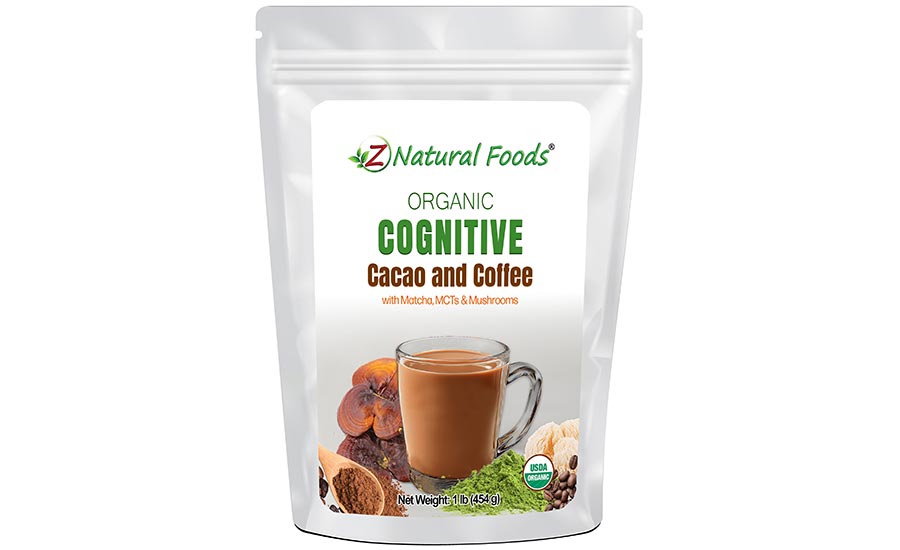
Ryan Collins, senior marketing manager for tea at Lincoln, R.I.-based Finlays Solutions, shares similar thoughts, stating that matcha aligns with several converging consumer preferences currently shaping the beverage category.
“Matcha is an antioxidant-rich beverage that appeals to health-conscious consumers,” he says. “Additionally, matcha delivers approximately 60 to 70 mg of caffeine per serving, providing sustained energy that many consumers are looking for. As a natural source of l-theanine, matcha tea can provide a smoother and jitter-free energy boost compared to other caffeine sources.”
Collins also points to matcha’s vibrant green color as a factor fueling its social media popularity, where younger consumers treat it as both a lifestyle accessory and a beverage.
Philip Caputo, marketing and consumer insights manager at Virginia Dare, Carteret, N.J., suspects that what has driven matcha’s popularity is how it preserves familiar rituals.
“It helps maintain the daily routine of walking into a coffee shop or making a morning beverage at home,” he says. “From a formulation standpoint, matcha is incredibly versatile. It plays well across a huge range of applications and flavor combinations, which means brands have a lot of room to get creative with it.”
Rikka Cornelia, marketing manager at MartinBauer, Secaucus, N.J., notes matcha’s sustained energy as an attractive factor for consumers.
“Rather than relying on beverages that deliver a sharp spike in energy, many consumers are gravitating toward options that help them stay steady, focused and productive throughout the day while fitting into a broader wellness mindset,” she says. “There is also a growing appreciation for the overall experience surrounding a beverage, not just its function. People are paying closer attention to the small details, such as preparation, appearance and the role a product plays in their daily routine.”
Matcha fits naturally into that space because it offers both functionality and a sense of ritual, making it feel intentional, Cornelia explains.
Vibrant Ingredients’ Hermanowicz states that matcha is resonating most strongly with Generation Z and younger millennials, who tend to be more open to global flavors and more intentional about wellness and ingredient transparency.
“There’s also a meaningful cultural influence shaping its growth,” she says. “Consumers with familiarity or exposure to Asian tea traditions have helped lead adoption, but what’s notable is how quickly matcha is expanding beyond that base through café culture and social media. For younger consumers in particular, matcha represents more than just a flavor — it aligns with a broader lifestyle around energy, mindfulness and self-care, which is accelerating both trial and repeat.”
Virginia Dare’s Caputo also calls attention to matcha’s place among younger consumers.
“While matcha has certainly been around for a long time, millennials and Gen Z are really leading the current interest in matcha and matcha ingredients,” he shares. “The combination of versatility and potential health benefits gives matcha broad appeal. Once something starts showing up everywhere in a dozen different formats, and tastes good in those formats, it tends to find its way across demographic lines pretty quickly.”
Caputo anticipates more diversification in consumer adoption over the next couple of years as matcha grows in popularity.
Mitch Madoff, head of retail partnerships at Keychain, N.Y., notes that matcha also is popular with urban, wellness-oriented shoppers who like elevated beverages and products that reflect mindful living.
“With its premium perception at a relatively low price point, matcha serves as both an everyday go-to and a small indulgence,” he says.
Matcha makes a mark
As matcha interest continues to grow, experts point to its presence within the foodservice channel as an indicator of what’s to come.
In foodservice, Vibrant Ingredients’ Hermanowicz says matcha is at an interesting inflection point.
“It’s clearly moved beyond early experimentation, but I would still characterize it as being in the adoption phase with strong momentum, rather than fully mainstream,” she shares. “Today in the U.S., matcha is served at more than 350 chains, including some of the leading global coffee cafés, what I often refer to as ‘trend incubators.’”
These brands play a critical role in introducing emerging flavors to a broader audience and shaping consumer expectations, Hermanowicz explains. However, looking beyond the top national players, she notes that about 80% of chains offering matcha have between one and 10 locations.
“That tells us adoption is still largely concentrated among smaller, more regional operators, which reinforces that matcha remains somewhat niche,” Hermanowicz says. “What’s exciting is the runway this creates. With strong performance in these early and mid-stage environments, and continued support from larger chains, matcha is well-positioned to scale more broadly across foodservice quickly.”
Viginia Dare’s Caputo notes similar factors regarding matcha within the foodservice channel.
“It’s moved well past novelty, and if you ask someone on the street about matcha, if they haven’t tried it themselves, they have certainly heard about it,” he adds.
Keychain’s Madoff says that matcha has built a strong presence in the foodservice channel, primarily in cafés, specialty tea shops and premium, quick-service restaurants.
“It’s commonly featured on menus as an ingredient in lattes, smoothies and iced beverages, providing consumers with a functional and flavorful drink alternative,” he shares. “Matcha’s also popping up on bakery and dessert menus, appearing in items like pastries and puddings.”
The level of visibility introduces the ingredient to new consumers, encouraging trial and repeat consumption beyond traditional tea categories, Madoff notes.
Matcha’s presence within foodservice has contributed to its performance in the consumer packaged goods (CPG) space.
“Foodservice has played a critical role in building matcha’s awareness and trial,” Vibrant Ingredients’ Hermanowicz states. “For many consumers, their first experience with matcha happens in a café setting, where the flavor is introduced in a more curated and approachable way.”
There is a clear relationship between menu presence and consumer demand, she notes.
“As matcha becomes more visible on menus, we see increased search interest, familiarity and ultimately, adoption,” Hermanowicz says. “That exposure creates a natural transition into CPG, particularly in RTD beverages and powdered formats.”
What is especially telling is how matcha is now expanding beyond beverages and into adjacent categories like bakery and desserts, she adds.
“When we see a flavor move across formats and into multiple categories, it’s a strong signal that it has real staying power, it’s not just a passing moment or fad,” Hermanowicz says. “That cross-category adoption reinforces that matcha is evolving into a platform, with relevance across both foodservice and retail.”
Finlays’ Collins has noticed that matcha is booming in the foodservice space. Like Hermanowicz, he notes that top chains have more than doubled their matcha launches compared with last year.
“Coffee shops have played a key role in introducing matcha to mainstream U.S. consumers through innovative flavor combinations and premium drink experiences,” Collins says. “Matcha is well-suited for foodservice where it is mixed fresh on site.”
Yet, matcha is a challenge to recreate in the ready-to-drink (RTD) market, Collins adds, because matcha is the whole tea leaf, which quickly settles out of the solution and changes color over time.
“To capitalize on this matcha growth, RTD manufacturers can rely on green tea extracts alongside matcha to create matcha green tea RTD products that overcome the inherent challenges of matcha,” Collins suggests.
Virginia Dare’s Caputo describes foodservice as the proving ground.
“Once people have a good experience with something in a café or restaurant, they start looking for ways to recreate that experience at home,” he says. “That’s where CPG brands have a huge opportunity.”
Coffee has been doing that for decades, Caputo notes, but matcha’s recent explosion in popularity — at least in the U.S. — means the window is “wide open” for brands that want to get in front of those consumers already converted to matcha by foodservice.
According to Keychain data, Madoff says that powdered matcha is leading the way, especially flavored varieties.
“At the same time, matcha is gaining traction in performance supplements and wellness-focused products,” he notes. “On Keychain, we’re seeing strong momentum for Ka’Chava’s All-in-One Nutrition Matcha Shake, reflecting a broader shift toward convenient options that deliver added health benefits. This cross-channel influence is broadening its appeal, especially as brands lean into familiar flavors and formats that fit naturally into everyday routines.”
A unique ingredient
Matcha tea features specific attributes and characteristics that helps it stand out.
Vibrant Ingredients’ Hermanowicz describes matcha as a highly distinctive ingredient, with both sensory and experiential appeal.
Image courtesy of Ziggi’s Coffee
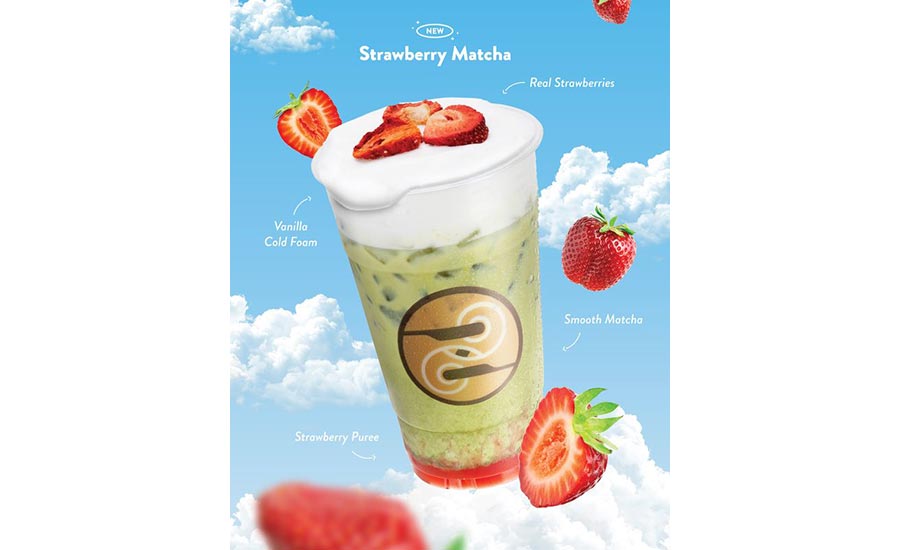
“From a flavor standpoint, it’s earthy, smooth and slightly sweet, with the ability to adapt depending on how it’s formulated,” she says. “Visually, its vibrant green color makes it instantly recognizable and highly engaging, particularly in layered or customized beverages. It’s also closely associated with wellness, energy and premium quality.”
What makes matcha particularly compelling is its ability to span multiple spaces, Hermanowicz shares, noting that it can feel functional, indulgent and experiential all at once.
“There’s an inherently wholesome quality to it that comes through both visually and in the flavor profile,” Virginia Dare’s Caputo says. “It’s green, it’s grassy, it’s earthy. It feels natural and honest about what it is.”
Part of matcha’s allure is that people feel they can see exactly what they are getting, he notes.
“At its core, matcha is still a tea, bringing a sense of mindfulness and a more relaxing, intentional experience,” Keychain’s Madoff says. “And it works just as well in hot and iced drinks as it does across a range of food applications. That flexibility makes it a useful ingredient for brands looking to innovate and still meet changing consumer expectations.”
Matcha carries a strong sense of identity, says MartinBauer’s Cornelia, both from a sensory standpoint and from its cultural roots.
“Its bright green color, fine texture and layered flavor create an experience that feels modern while still connected to long-standing traditions,” she notes.
Cornelia lists the following characteristics of matcha:
- Easily recognizable, with a color and appearance that stand out immediately
- Premium in perception, often linked to care in sourcing and preparation
- Steady in performance, providing energy in a more gradual and sustained way than many traditional caffeinated beverages
- Highly adaptable, lending itself to a wide range of beverage formats and product concepts
“At its core, matcha is still a tea, bringing a sense of mindfulness and a more relaxing, intentional experience.”
– Mitch Madoff, head of retail partnerships at Keychain
A bright (green) future
With matcha seemingly not going anywhere any time soon, experts share their expectations for its future.
Vibrant Ingredients’ Hermanowicz says that matcha is compelling because it can “play on both sides” of the market.
“On one hand, it carries a strong wellness halo because it naturally brings together attributes consumers already recognize and value, including caffeine, l-theanine, catechins/polyphenols and a premium tea ritual,” she explains. “On the other hand, it translates exceptionally well into indulgent, experience-driven formats that are fueling today’s ‘little treat’ culture.”
Matcha is showing up in frozen beverages, layered drinks, cold foams and flavor-forward combinations that make it feel both elevated and craveable, Hermanowicz notes. This duality is where she sees the biggest runway.
“Foodservice operators are continuing to prove that matcha can flex from a clean, premium platform into more playful, indulgent executions without losing its identity,” Hermanowicz says. “At the same time, it is well-positioned for benefit stacking in the U.S. beverage market. Because matcha already has naturally occurring functional components, it pairs well with added benefits like protein, collagen, botanicals or other wellness-oriented ingredients, depending on the format and target consumer.”
She has already observed major operators leaning into that white space with protein-forward matcha innovations, which suggests the next chapter will be about broadening matcha’s role across various occasions rather than keeping it confined to one.
“My view is that matcha’s future in the U.S. is not about becoming just one thing,” Hermanowicz notes. “Its growth will come from its ability to span wellness, indulgence and customization all at once. That is what gives it staying power and what makes it such an interesting platform for continued beverage innovation.”
Finlays Solutions’ Collins says that the matcha beverage category is introducing new flavor combinations and offering consumers varied entry points — pairing matcha with strawberry, ginger, vanilla, coconut and, for matcha purists, emphasizing ceremonial-grade sourcing and production.
“These pairing have increased demand for matcha in recent years, outpacing supply,” he notes. “In response, tea estates are shifting cultivation from green tea to matcha. As matcha supply stabilizes, there will be more opportunity to innovate and accelerate promotion to expand the category.”
Virginia Dare’s Caputo expects continued growth from the matcha market, especially as more consumers search for ways to make matcha drinks and products at home.
“Economic pressures are nudging people to recreate their favorite café experiences in their own kitchens, and matcha is well-positioned to ride that wave,” he says. “The consumer awareness is already there, brands just have to position themselves the right way. Whether that be an RTD matcha latte or a matcha-flavored protein shake, the challenge will be finding the right ways to make it into consumer routines with flavors they want to keep in arm’s reach.”
Keychain’s Madoff says that, from what the company is seeing, RTD matcha lattes, sparkling options and hybrid formats featuring ingredients like adaptogens or protein will become more common.
“Beyond beverages, matcha is likely to expand further into snacks and culinary goods, especially as brands leverage its premium wellness-focused positioning,” he notes. “Social media and influencer trends will keep boosting its visibility, making it a mainstay in both foodservice and retail.”
MartinBauer’s Cornelia anticipates a move toward more informed decision-making among consumers.
“As familiarity with matcha continues to grow, people are becoming more selective and more interested in understanding the details behind the product, including its origin, production methods and the factors that set one offering apart from another,” she shares. “Social media remains an important influence, but its impact is shifting. It is no longer just introducing new products — it is helping shape expectations around quality, transparency and authenticity.”
Over time, Cornelia says this will likely create “a more clearly defined” market landscape.
“Matcha will continue to perform well as an accessible, everyday beverage, while a separate segment develops around products that highlight sourcing, craftsmanship and quality differentiation,” she concludes.
Looking for a reprint of this article?
From high-res PDFs to custom plaques, order your copy today!