A clear choice for beverage packaging
Sustainability, recyclability traits place glass in spotlight
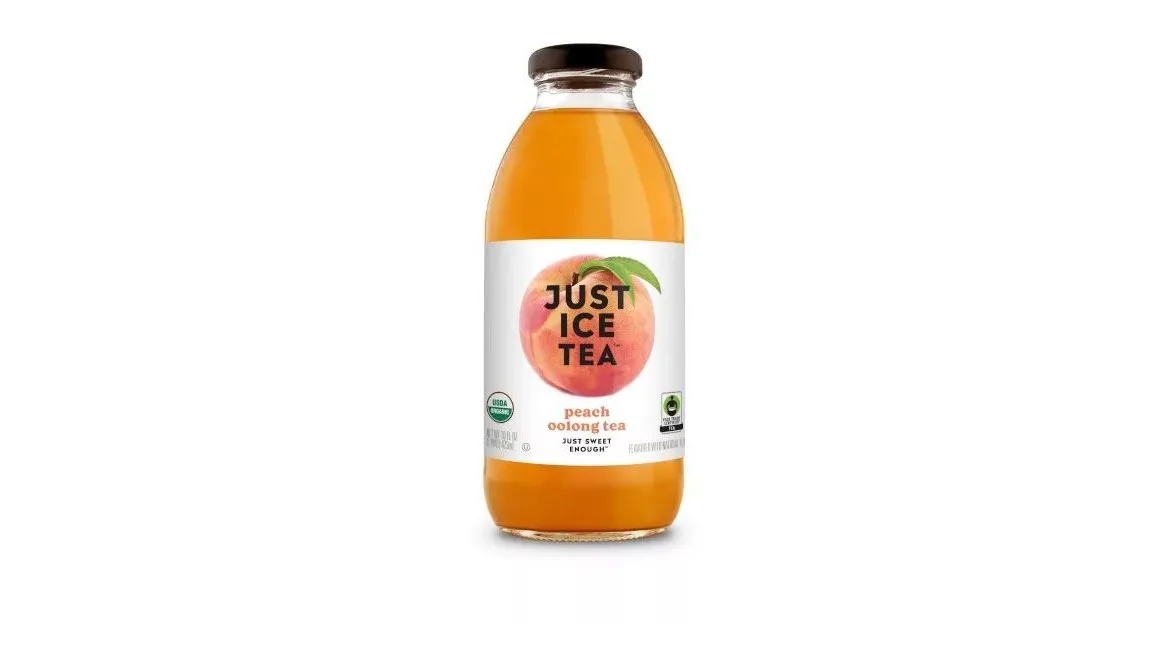
Players within the beverage industry are making certain efforts to support recycling, especially when it comes to glass packaging. Jose Diego-Arozamena, founder and CEO of Arglass, Valdosta, Ga., shares that, while there are ongoing efforts across the industry, these efforts remain somewhat fragmented.
“Greater collaboration is needed among manufacturers, municipalities and brands to improve collection systems and increase recycled glass utilization,” he says. “We believe a more unified, industry-wide approach will be critical to fully realizing the sustainability benefits of glass packaging.”
Scott DeFife, president of Glass Packaging Institute (GPI), Arlington, Va., notes that several efforts are underway to improve both the quality and quantity of recycled glass available to manufacturers.
“While bottle deposit glass still provides the most consistent and highest levels of recycled glass to the industry, dedicated glass drop-offs and investments by materials recovery facilities (MRFs) to sort recyclables received curbside have also been shown to increase the amount of recycled glass available,” he says. “In 2025, the domestic glass container industry used 1.3 million tons of recycled glass to make new bottles and jars.”
GPI also serves on the Colorado and Maryland EPR industry advisory boards. These boards provide input to the governing organizations that set fee structures and other requirements, DeFife explains.
“GPI works to improve local and domestic recyclability and circular economies,” he adds. “GPI and its members have launched two initiatives, Don’t Trash Glass and Small Format Coalition, that help increase the recovery of glass from commercial sectors and improve the recovery of small non-glass packaging that ends up in the glass stream through the Small Format Coalition, bringing investment in equipment that sorts small plastics and diverts more recoverable material from landfills.”
DeFife also notes that additional investments have been supported by the Glass Recycling Foundation, which consists of brands, glass manufacturers and companies across recycling industries to improve sorting technology at the MRFs.
“Improved sorting of incoming recyclables has been demonstrated to improve usable, higher quality recyclable glass, alongside better yields for other recyclable commodities collected,” he says.
Scott Cioe, glass program director at TricorBraun, St. Louis, shares that companies are streamlining designs to improve sorting and crushing, which helps bottles move efficiently through recycling plants and produces cleaner cullet. Manufacturers are adopting lightweighting to reduce material and energy use while ensuring compatibility with current collection and processing systems, he says.
“Collection initiatives aim to enhance curbside recycling, deposit-return systems and sorting technologies to keep glass in the recycling stream rather than in landfills,” Cioe adds.
Beyond sustainability, other beverage trends are influencing the use of glass packaging.
“Health and wellness trends are having a significant impact, particularly concerns around microplastics, chemical migration and ‘forever chemicals,’” Arglass’ Diego-Arozamena says. “These concerns are driving increased interest in glass across a range of beverage categories.”
At the same time, he notes that brands are innovating more rapidly.
“Arglass supports this shift with ultra-flexible manufacturing capabilities, including lower minimum order quantities, faster development timelines and reduced capital requirements — enabling brands to respond quickly to changing consumer preferences,” Diego-Arozamena explains.
GPI’s DeFife says that consumers increasingly are pushing for brands that market their products as sustainable, organic, healthy, or “clean” to have their packaging match.
“Markets that are saturated in one packaging category can differentiate their product with glass, which is shown to stand out on retail shelves, and often has greater sales velocity than products packaged in plastic, can or fiber,” he says. “Lastly, their remains a clear distinction for premium brands to differentiate in glass, which consumers trust for higher quality.”
Samantha Juna, insights and enablement director at TricorBraun, notes that clean-label positioning and ingredient transparency are influencing packaging format choices, with products featuring natural ingredients, fermentation or minimal processing often using glass to convey purity and trust.
The sensory experience also matters, she adds.
“The weight, cool touch and physical presence of glass makes a beverage feel intentional and premium, helping it stand out in crowded shelves without relying on bold graphics or labels,” Juna explains. “Glass is also preferred for drinks where flavor and aroma are important, like wine, spirits, kombucha, cold brew coffee and functional shots, because it protects the taste.”
Beverages are not just for on-the-go anymore, she notes — more consumers are enjoying drinks at home with meals or during social get-togethers.
“Glass fits these situations well and reinforces the product’s quality and relevance for these occasions,” Juna concludes.
Looking for a reprint of this article?
From high-res PDFs to custom plaques, order your copy today!