Consumer expectations drive innovation in plastic packaging
Sustainability goals, brand differentiation guide plastic bottle advancements
Best known as the co-host of the Discovery Channel TV series, “MythBusters and Unchained Reaction,” special effects creator Adam Savage is quoted as saying: “I’m obsessed with the form of a toolbox. The idea of a portable kit that has everything you might need ignites something inside me. It’s like Batman’s utility belt.”
In the realm of beverages, although consumers might not feel like Batman when drinking from a plastic bottle, experts note that these packaging formats are well-suited for today’s consumers’ on-the-go lifestyles, given that plastic material is lightweight and durable.
“[Plastic bottles’] portability and resistance to breakage make them ideal for commuting, travel, and outdoor environments where glass is restricted, such as beaches, concerts and parks,” says Samantha Juna, insights and enablement director at TricorBraun, St. Louis. “Beyond portability, plastic packaging delivers reliable product protection as a complete bottle-and-closure system. Its material consistency and flexibility help maintain freshness, prevent leaks, and protect against contamination throughout handling, transport and consumer use.”
Juna also notes that plastic bottles meet consumers’ expectations of packaging options that align with their specific needs.
“Single-serve, portable formats continue to perform well across water, tea, coffee, juice and functional beverages, integrating seamlessly into daily routines from morning commutes to workouts,” she says.
Juna further points out that plastic’s scalability supports a wide range of sizes, from 30-ml concentrates to multi-serving and bulk formats.
“Most importantly, it accommodates a range of filling technologies, from hot fill to high-pressure processing (HPP), to maintain product freshness and safety,” she says.
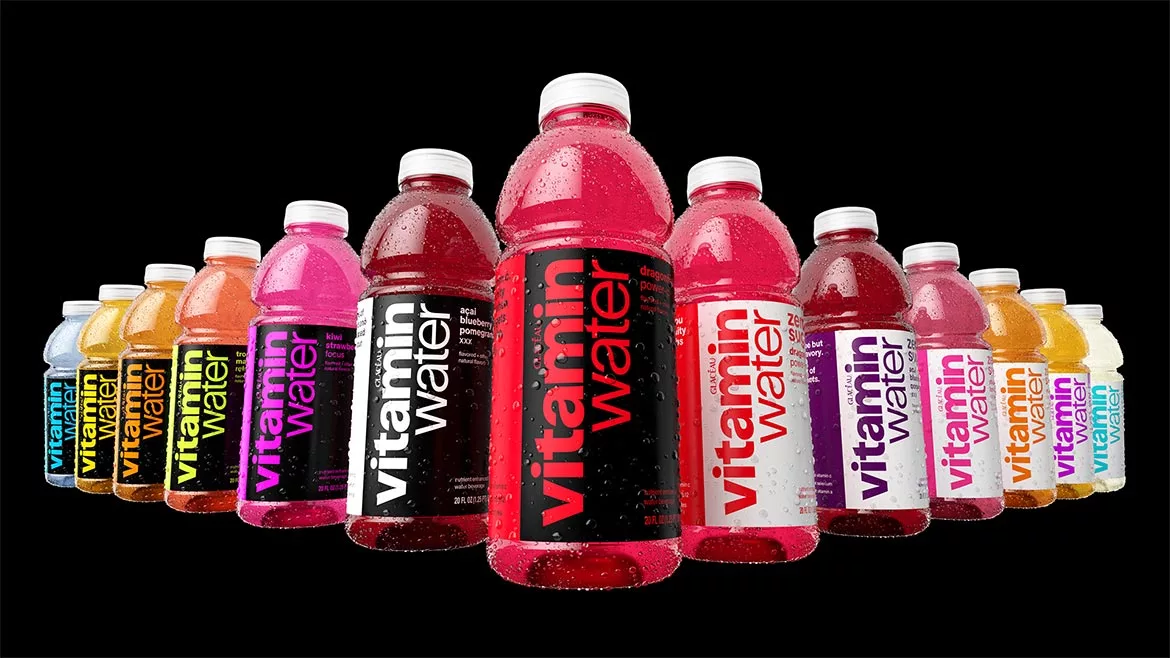
From a manufacturing standpoint, Juna points to PET as offering efficiencies that are valuable in the fast-moving beverage category.
“PET bottles can be produced using one-stage or two-stage processes, streamlining custom development and accelerating time to market,” she explains. “This is ideal for beverage brands launching new or seasonal products.”
Additionally, compared with glass, PET delivers similar clarity and shelf appeal at a lower overall cost, Juna says.
“Sustainability will remain integral to a brand’s packaging strategy, with growing emphasis on circular systems, higher recycled content, hybrid material solutions, and expanded advanced recycling capabilities.”
– Yang Li, global sustainability engineer at TricorBraun
“The material itself is generally less expensive, and its lighter weight significantly reduces shipping costs and fuel consumption,” she says. “PET also minimizes the operational risks associated with glass breakage, which can disrupt filling lines, create safety concerns and increase downtime.”
Rosalynd Resendiz, vice president of supply chain at TricorBraun, adds that demand for PET remains strong because it delivers the performance, cost efficiency and durability that the beverage category relies on.
“While demand itself is robust, the economics and infrastructure behind recycling are evolving,” she says. “By committing to recycled content, prioritizing domestic rPET, and supporting regulations that strengthen the recycling system, brands can help ensure a reliable supply of high-quality PET while advancing sustainability goals.”
Sustainability key to innovation
With sustainability trends impacting the use of plastic packaging in the beverage market, experts highlight how companies are looking to adopt lower-impact packaging.
Yang Li, global sustainability engineer at TricorBraun, notes that sustainability is now non-negotiable in the market given consumer demand, combined with tightening global and local regulations.
“Many brands are also aligning corporate commitments with these evolving standards,” he says. “Together, these forces are creating a significant opportunity to reshape the future of beverage packaging toward more sustainable solutions.”
Further, Li notes that based on sustainability commitments, regulatory mandates and technological advances in recycling, rPET is expected to become a mainstream packaging material, increasingly replacing virgin PET in bottles and other packaging formats.
“However, in the U.S., the rPET recycling system faces challenges, including facility closures, reliance on imports and inconsistent consumer collection, which could limit supply and destabilize the market,” Li says. “Strong policy support and long-term brand commitments will be critical to ensuring rPET’s continued growth and its role in a sustainable packaging ecosystem.”
Beyond sustainability trends impacting the market, TricorBraun’s Juna points out that consumer trends such as ingredient-consciousness are playing a key role in communicating the clarity and transparency expected from plastic packaging.
“PET supports this trend by literally allowing consumers to see the product inside, reinforcing perceptions of freshness and trust,” she explains. “At the same time, busy, on-the-go lifestyles continue to drive demand for lightweight, durable packaging formats that support portability without compromise.”
“As the ready-to-drink beverage category is increasingly crowded and polarized, packaging has become a critical differentiator,” Juna continues. “Custom packaging serves as the first touchpoint with consumers, helping products stand out on the shelf through distinctive structures and graphics that signal quality, justify price points, and transform everyday beverages into intentional, experience-driven purchases.”
As far as what’s on the horizon, Juna notes that brands have become increasingly focused on the sustainability of the entire package, not just the bottle.
“New PET cap designs help reduce waste, and tethered caps — which stay attached to the bottle and support recycling — are already mandated in the EU and being considered in U.S. states like California and Illinois,” she says. “They offer a dual benefit: enhancing consumer convenience while promoting sustainability.
“In addition, label technologies, such as PET shrink sleeves on PET bottles, eliminate the need for material separation during recycling, and brands are also rethinking how they use adhesives to make packaging more recyclable,” Juna continues. “Together, these advancements help move the beverage industry toward fully integrated, circular solutions that make recycling easier for both consumers and recyclers.”
TricorBraun’s Li points to new innovations as influencing the future of plastic packaging.
“We’re seeing growing interest in mono material solutions and lightweighting, as this simple shape or form change can dramatically reduce a company’s carbon footprint and, in turn, positively impact its bottom line,” he says. “At the same time, the use of post-consumer recycled (PCR) content, as well as bio-based and alternative materials are on the rise. Advances in PET and rPET recycling are further expanding the possibilities for sustainable packaging, enabling reductions in environmental impact and improved circularity across the supply chain.”
Moreover, Li anticipates continued innovation in PET packaging formats and increased adoption of smart packaging technologies that enhance traceability across the supply chain.
“Sustainability will remain integral to a brand’s packaging strategy, with growing emphasis on circular systems, higher recycled content, hybrid material solutions, and expanded advanced recycling capabilities,” Li says. “As infrastructure and technology evolve, these advancements will accelerate the industry’s progress toward more efficient and recyclable packaging systems.”
Looking for a reprint of this article?
From high-res PDFs to custom plaques, order your copy today!