Consumers turn to low, no-alcohol for function, flavors
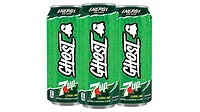
Non-alcohol spirits, functional seltzers drive category growth
Academy Award-winning actor and director Clint Eastwood is quoted for saying, “Sometimes if you want to see a change for the better, you have to take things into your own hands.”
When it comes to the performance of the low- and no-alcohol market in the past year, the category similarly is being driven by a change in consumers’ consumption habits, experts note.
Noting that Mintel does not have precise sales or volume data for all low/no alcohol products, Julia Mills, food and drink analyst at the Chicago-based market research firm, says it has seen how consumers’ approach to drinking has changed.
“In the United States, consumers limit alcohol primarily due to financial pressures, with 48% citing saving money as their top reason,” Mills says. “Rising concerns about physical and mental health, particularly among younger generations, are also driving this. Lifestyle changes, such as a shift toward moderation and participation in sobriety challenges like Dry January, also contribute, as does the increased availability and quality of non-alcoholic alternatives.”
Mills adds that self-reported alcohol consumption in the United States dropped below 60% for the first time in 2024, creating space for low/no alcohol options to thrive.
“According to our Global New Products Database, U.S. alcoholic drinks with ‘low/reduced alcohol’ or ‘alcohol free’ claims have grown by 457% over the past five years,” she says. “However, it’s important to note that the market remains very small, representing less than 4% of total alcohol launches.”
Mitch Madoff, head of retail partnerships at Keychain, New York, says that this past year has brought major momentum for the low- and no-alcohol space.
“From what we’re seeing at Keychain, non-alcoholic beer continues to climb, but the real surge is coming from non-alcoholic spirits and functional seltzers, which saw breakout growth and significantly expanded the category,” he explains. “The space didn’t just hold steady this year — it grew, diversified, and proved that it’s definitely here to stay.”
Brian Sudano, CEO at S&D Insights LLC, Norwalk, Conn., notes that in the past year, the low alcohol market grew in the mid-single digits led by ready-to-drink (RTD) spirits including Surfside, Sun Cruiser and Nutrl to name a few.
“On the beer side, the market is led by Michelob Ultra, Heineken Silver, Modelo Oro and Corona Premier,” Sudano says. “We view RTD’s ABV relative to standard beer ABV and as a result, brands such as Cutwater, BuzzBallz and BeatBox are excluded. However, some consider them low ABV relative to full strength spirits and regular wine.”
Sudano adds that non-alcohol (NA) beverages are growing strong double-digits.
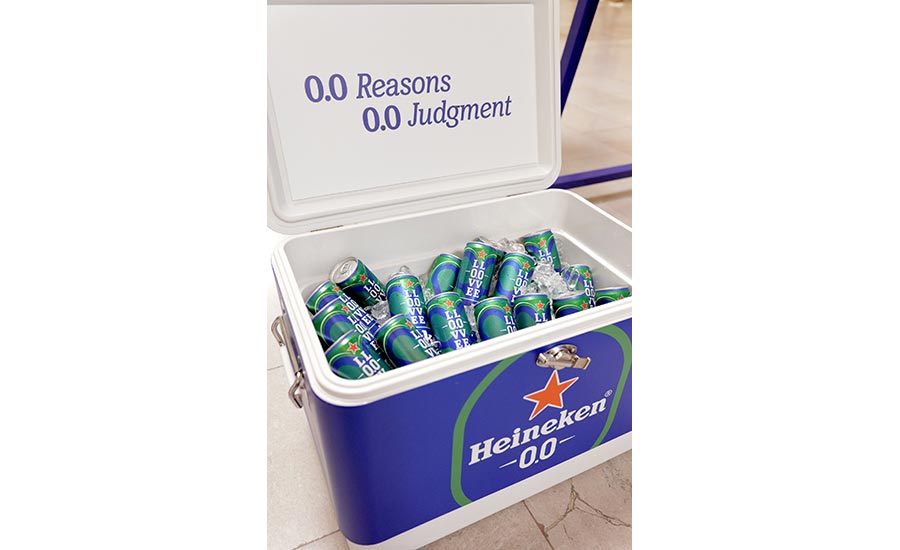
“It is led by beer offerings to include Athletic, Heineken Zero and HopWater to name a few. Other major brands have also entered the fray with an NA version,” he says. “Mocktails and NA spirit versions of different alcohol types, e.g., Seedlip, offerings for mixing cocktails.”
Sudano attributes moderation and abstinence as part of a healthy lifestyle to be the driving trends in the market. “Lesser dominant trends include avoiding alcohol to extend life expectancy (recent publicity around studies in which messaging is dominated by anti-alcohol groups and emergence of cannabis),” he notes.
Keychains’ Madoff says that consumers “are leaning more heavily into health and wellness,” noting that this shift is reshaping the category.
“People want drinks that support healthier, more balanced lifestyles, whether that’s gut health, cleaner energy, or mood support through adaptogens and nootropics,” he explains. “Functional beverages are now at the center of this trend. Alcohol-free options benefit from this shift, since they naturally fit the mindset of consumers looking for drinks that offer more than just taste.”
The high end
Aside from lifestyle and health trends, experts highlight how premiumization also is impacting the low- and no-alcohol market.
“Premiumization in the U.S. low- and no-alcohol market is evolving beyond just higher price points, with consumers increasingly valuing attributes such as better-for-you benefits, unique flavors and innovative production methods,” Mintel’s Mills says. “Brands that deliver on these multifaceted aspects of premium can justify higher spend and appeal to consumers seeking moderation for wellness reasons.”
Mills adds that as the market adapts, versatile and customizable options that cater to varying preferences for alcohol content are positioned to win across different occasions, helping to meet the adaptable needs of today’s consumers.
“Over 40% of U.S. consumers agree it’s worth paying more for alcohol substitute drinks with functional benefits,” she says. “However, price remains a barrier for some: 52% feel non-alcoholic versions aren’t worth the price. This suggests that while premium options are gaining traction, value perceptions are still important.”
S&D Insights’ Sudano considers the low alcohol market to be dominated by brands that participate in premium priced single-serve ready-to-drink categories.
“This is complemented by large low ABV/ carb/ calorie segments dominated by Michelob Ultra,” he says. “As a result, most brands are premium to category average pricing.
“For no-alcohol, the brands do not pay excise taxes similar to soft drinks,” Sudano continues. “These brands also can be distributed in non-licensed accounts promoting greater consumer reach. When eliminating the tax part of retail price, these brands are priced at or near the high end of the beer market and are therefore premium versus alcohol alternatives although they appear in some cases to be priced slightly lower.”
Keychain’s Madoff attributes an upgrade in experience as a major factor driving premiumization —pushing the market forward.
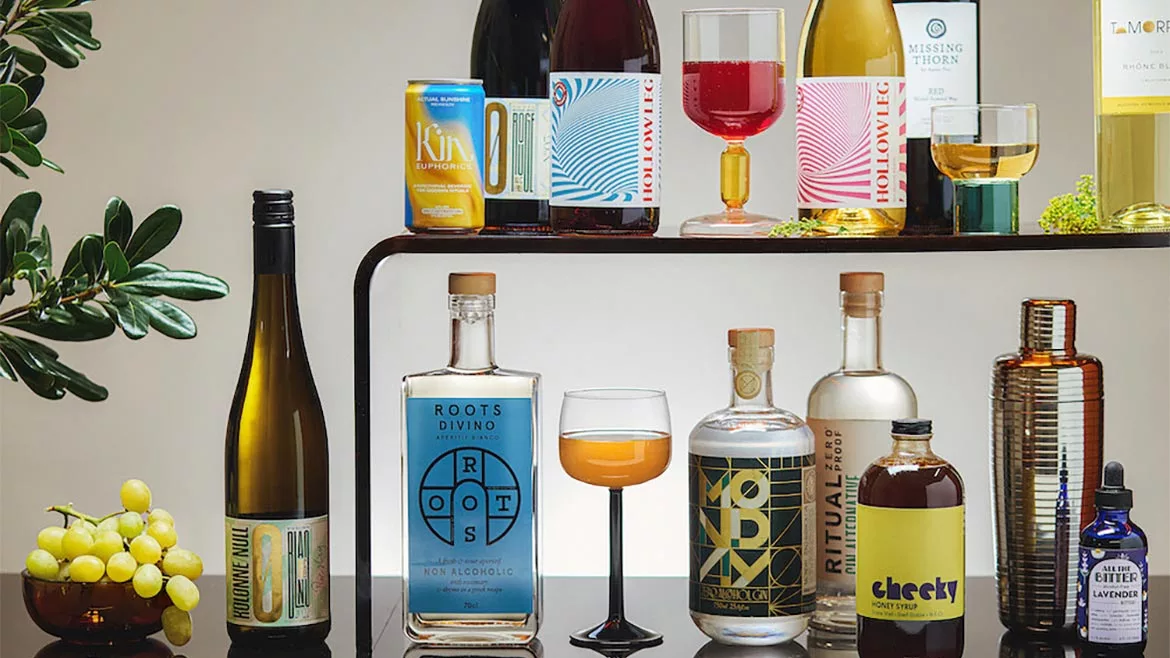
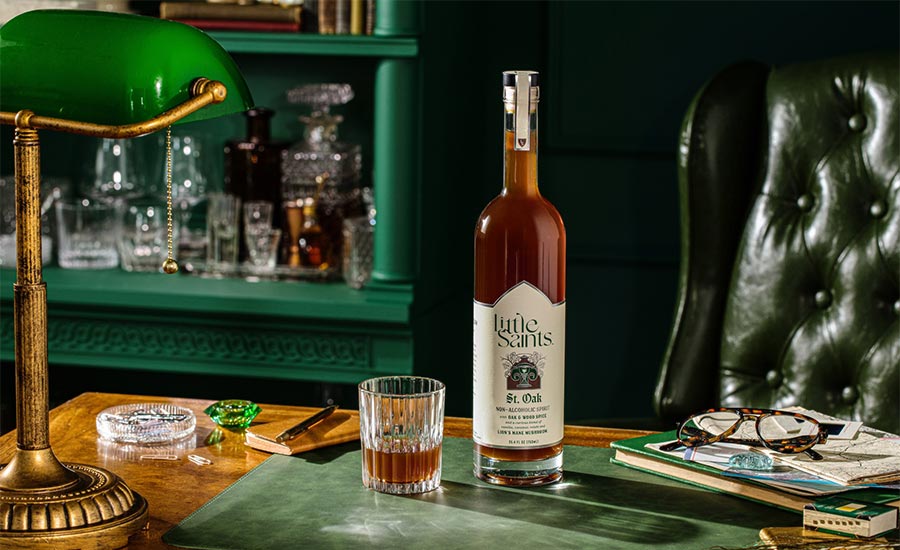
“Whether it’s a hop-forward non-alcoholic IPA like Athletic Brewing Co.’s Run Wild or a botanical spirit alternative designed for mixology like Ritual Zero Proof, the combination of elevated packaging, stronger storytelling, and more sophisticated flavor profiles is reshaping how consumers view low and no-alcohol products,” he says. “These drinks now look and feel like premium options, not substitutes. The result is a category that not only supports higher margins but also draws in new drinkers who are seeking something modern, interesting and intentional.”
As far as the zero-alcohol market gaining steam compared with previous efforts to grow the market, Madoff says the category is gaining traction now because the products finally match what consumers expect in taste and experience.
“Early attempts often felt like compromises, but today’s non-alcoholic beers, spirit alternatives, and functional seltzers deliver real flavor, craft and similar social experiences associated with alcoholic drinks,” he explains. “Distribution and marketing have also matured. Premium placement and lifestyle positioning make it easier for consumers to discover and adopt these products. Zero-alcohol drink options have evolved from being a novelty to a desired choice that fits into people’s modern lifestyles.”
Positioned for success
More than just a substitute, low- and no-alcohol products can offer consumers cleaner next-day experiences, lower calories and functional benefits, experts note.
“These products can replicate the taste, aroma and ritual of alcoholic drinks, allowing consumers to enjoy social occasions and the familiar experience of drinking without the negative effects of alcohol, such as hangovers or impairment,” Mintel’s Mills explains.
“Additionally, many low and no alcohol options are positioned as healthier alternatives, often featuring fewer calories and sometimes functional benefits like relaxation or stress relief,” she continues. “This makes them especially appealing to health-conscious consumers who want more than just refreshment from their beverages, as well as those seeking to moderate their alcohol intake while still participating fully in social settings.”
Keychain’s Madoff echoes similar sentiments, noting that these offerings allow consumers to enjoy the full drinking experience or social moment without the alcohol.
“Brands like Recess Adaptogen Sparkling Water show how non-alcoholic drinks can combine flavor, wellness, and lifestyle appeal in a way traditional beverages can’t, making them both a healthy and satisfying choice,” he says.
To stand out in this growing market Madoff suggests that beverage-makers should focus on flavor, functionality and positioning.
“Some lean into craft and brewing expertise with non-alcoholic beers, like Upside-Dawn Golden Non-Alcoholic Brew, while others highlight wellness benefits, adding adaptogens, nootropics or botanicals,” he says. “Packaging and brand storytelling also play a big role, signaling premium quality or lifestyle alignment. Companies are even experimenting with formats like ready-to-drink options (RTDs), mixers, and cans so they can own specific social occasions and give consumers reasons to choose their product over their competitors.”
Mintel’s Mills adds that while beverage-makers are highlighting health-related claims, introducing products with functional benefits, and creating better-tasting alcohol-free options, marketing plays a crucial role.
Brands can promote the enjoyment of social occasions without alcohol, the health advantages of moderation, and help to reduce the stigma around sober curiosity and choosing not to drink, she says.
Looking ahead, Mills anticipates that “with rising consumer focus on health, moderation and economic pressures, the U.S. low/no alcohol market is projected to continue to grow in the year ahead, driven largely by younger consumers, who continue to reshape their relationship with alcohol.”
Keychain’s Madoff echoes similar sentiments, noting that non-alcohol beers are expected to steadily expand and spirit alternatives and functional seltzers to accelerate even faster.
“Premium and functional offerings will likely drive the most dollar growth as distribution broadens and repeat purchase strengthens,” he says. “Overall, expect to see more choices, more non-alcoholic options at social events, and continued mainstream adoption. The low and no-alcohol space isn’t a passing trend; it’s becoming a permanent part of the beverage landscape.”
Looking for a reprint of this article?
From high-res PDFs to custom plaques, order your copy today!