In the beverage market, no one understands the importance of the hometown community more than bottlers and distributors. Heartland Coca-Cola Bottling Co., Lenexa, Kansas, is no exception.
In a recent supermarkets and grocery stores report from IBISWorld, the company suspects that, during the next five years to 2027, supermarkets will experience continued competition from online operators.
Video safety and telematics are becoming standard on many OEMs’ equipment offerings, and drivers have embraced this change as more are being rewarded for good driving behavior.
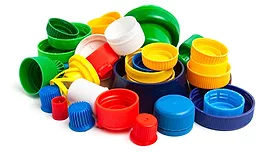
As plastic caps and closures rise in demand, companies continue to innovate, improving on the performance and sustainability of beverage packaging, driving more adoption of recyclability and reusability.
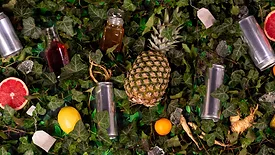
Consumers’ greater interest in zero alcohol consumption months has driven the growth of low/no alcohol beverages across beer, wine and spirits, experts note.
Durability delivers staying power for reusable transport packaging
As more beverage facilities add automation to their operations, companies are recognizing the durability, sustainability and longevity that reusable transport packaging offers.
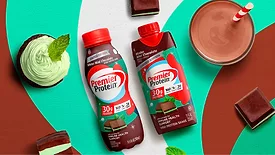
Experts note that not only do classic flavors like vanilla, chocolate and strawberry resonate with consumers, but also remain the tried-and-true go-to for beverage-makers.
Connectivity enables better guidance, adjustment in filling
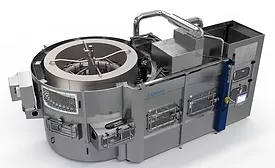
When it comes to beverage packaging operations, today’s diverse beverage marketplace necessitate can filling and seaming equipment that supports flexible, safe operations.
 RSS
RSS