Ingredients that help drive performance
Beverage-makers turn to electrolytes, proteins for performance beverages
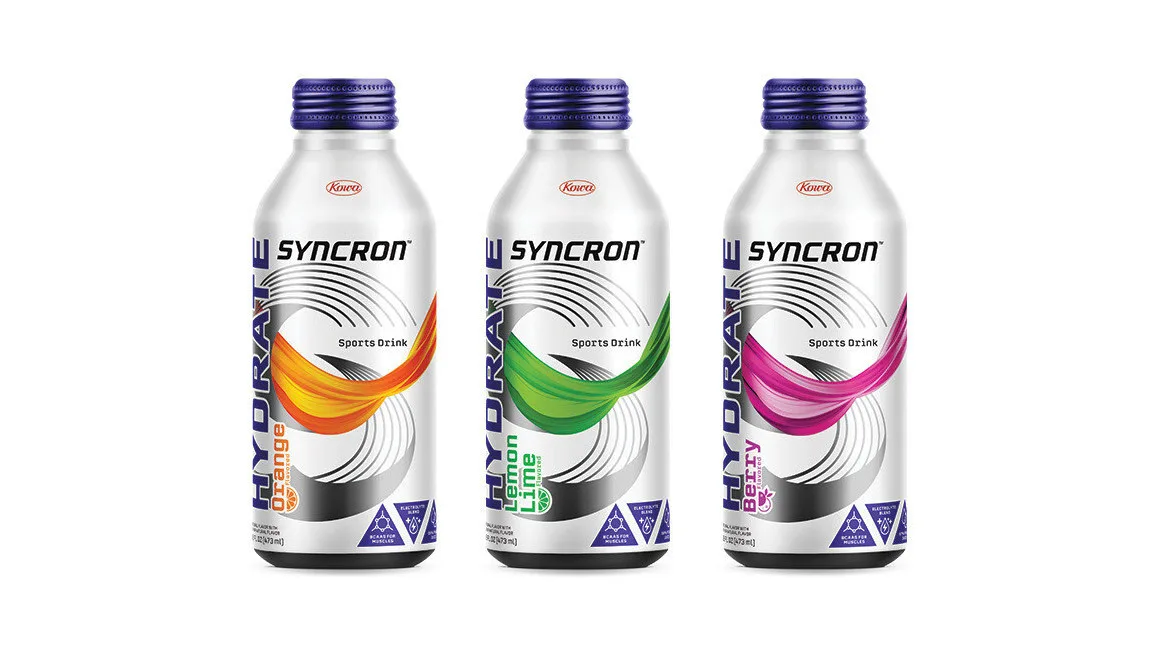
With interest in performance beverages on the rise, beverage-makers are turning to a variety of ingredient solutions for pre-, during and post-activities.
“The best recovery is supported by protein, carbohydrates, hydration and rest,” says Rhianna Smith, global senior manager of functionally optimized nutrients for Health & Nutrition at Glanbia, Chicago. “A hydration beverage after a workout, or as a protein plus hydration beverage, is a great option. A single ingredient call out would be magnesium. Magnesium is in the spotlight right now for a reason and when we’re talking about hydration, muscle recovery and rest, magnesium is going to be a key nutrient in supporting consumers.
Simon Hague, vice president of beverage solutions at Kerry, Beloit, Wis., also touts the importance of hydration support.
“Hydration is foundational to endurance and physical performance, but effective formulation requires more than simply adding ingredients to water,” he says. “During prolonged or intense activity, sweating results in the loss of fluid and electrolytes, particularly sodium. Beverages formulated with water and electrolytes can help consumers replace these losses and maintain hydration, while carbohydrates may provide a readily available source of energy during longer-duration activities.”
Hague adds that products designed for exercise prep might look different from ones intended for endurance or everyday movement, so beverage-makers should define the product’s usage occasion when building out the formulation.
When it comes to hydration and consumers, Hague notes that its status can have a bearing on how consumers feel and perform.
“Research has associated dehydration with increased perceived exertion and reduced aerobic performance, while even mild dehydration has been linked with fatigue, lower concentration and changes in mood,” he says. “This makes hydration relevant not only to athletes, but also to a broader group of active consumers seeking support for physical and mental performance throughout the day.”
Micah Greenhill, senior marketing director of beverages at Chicago-based ADM, explains that electrolytes like magnesium, potassium and sodium replenish minerals lost through sweat.
“ADM’s ingredient portfolio includes vitamins B, C and E and magnesium, as well as coconut water powder containing electrolytes, to create isotonic beverages for rapid rehydration, which supports performance and muscle recovery,” he says. “B vitamins, choline and l-carnitine can support energy metabolism, while botanical extracts like green tea, guarana and yerba mate provide natural caffeine sources.”
Tristan Lipkie, Ph.D. and technical business development manager at Cargill, Minneapolis, also points to the important role that electrolytes play in performance nutrition.
“Hydration and fluid uptake are supported when formulators get the concentration of solutes, including electrolytes and other dissolved ingredients, right,” he says. “Beverages formulated with a solute concentration similar to or slightly lower than that of blood are typically the goal. Hydration electrolytes are also spurring innovation in adjacent product formats such as chews, fruit pouches and even ice cubes.
“Cargill offers a range of sodium and potassium sources, including potassium chloride, sodium chloride, sodium citrates, and potassium citrates, as well options with more differentiated consumer appeal such as sea salt and pink Himalayan salt,” Lipkie continues. “Optimized combinations of citrates and chlorides can deliver targeted electrolytes while balancing acidity and salty taste.”
Kerry’s Hague also highlights the importance of taste when working with electrolytes.
“Taste and format are essential to translating these benefits into consistent use,” he says. “Electrolytes and other functional ingredients can introduce salty, bitter, metallic or lingering notes, particularly in reduced-sugar formulations. Kerry combines nutrition expertise with flavor creation and taste modulation technologies, including Tastesense Masking and Tastesense Sweetness, to help manufacturers manage these sensory challenges and create hydration beverages that consumers will enjoy using regularly.”
Planting seeds for proteinmaxxing
When it comes to performance and recovery, protein often takes center stage. But as the phrase “proteinmaxxing” permeates the lexicon, beverage-makers are finding that protein from alternative sources to be a valuable resource.
“The ‘proteinmaxxing’ trend places additional pressure on whey protein supply,” ADM’s Greenhill explains. “As such, manufacturers are looking beyond whey to plant proteins that can meet performance needs while creating greater supply resilience and cost efficiency.
“Research finds 42% of consumers using whey protein powders would be open to switching or trying soy-based protein powders, and 36% would consider it if the price or value is better,” he continues, citing a 2026 study conducted by Suzy titled Protein Powder Preparation Survey. “The top three areas where survey respondents stated soy protein is better or the same as whey include usage versatility, texture and nutritional benefits.”
Kushal Chandak, vice president of R&D at PURIS, Minneapolis, also highlights plant protein’s ability to support the demand for protein in performance beverages.
“Historically, many recovery beverages have relied on dairy-based proteins, particularly whey,” he says. “However, ongoing whey supply constraints and price volatility are encouraging formulators to evaluate alternative protein sources that can deliver comparable functionality and consumer acceptance. PURIS H2-IZO pea protein isolate was developed to help address this need, offering high protein content, excellent solubility, and a clean flavor profile suitable for ready-to-drink and powdered recovery beverages.
“Recent consumer sensory testing demonstrated that beverages made with H2-IZO performed as well as, and in some measures better than, whey protein beverages on key sensory attributes, highlighting the progress that has been made in overcoming traditional taste barriers associated with plant-based proteins,” Chandak continues. “This gives beverage manufacturers greater flexibility to formulate recovery products that support performance goals while also appealing to consumers seeking dairy-free, allergen-friendly, and sustainably sourced nutrition solutions.”
Yet, whether it’s plant-based or animal-based, Kerry’s Hague notes the importance of considering how the protein will perform in the end product.
“Solubility, stability and process tolerance can all influence product quality and the consumer experience,” he says. “Kerry’s Hyprol protein hydrolysates are available in dairy- and plant-based options and offer strong stability, solubility and process tolerance across a variety of nutritional beverage applications. They can also help manufacturers address functionality and texture while responding to demand for high-quality, traceable and more sustainable protein solutions.”
Looking for a reprint of this article?
From high-res PDFs to custom plaques, order your copy today!