Beverage-makers turn to botanicals, adaptogens for functional benefits
Functional attributes remain key driver in botanical, adaptogen use in beverages
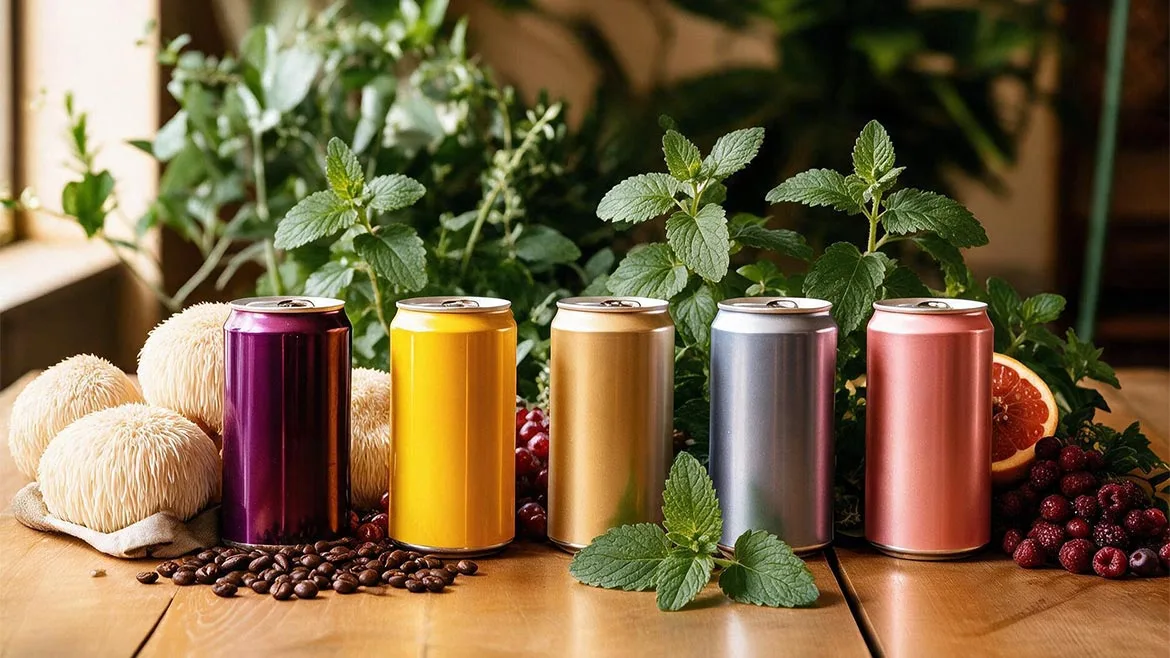
It seems that health and wellness trends are here to stay, and consumers are finding new ways to support themselves.
Chase Johnston, vice president of operations at Irving, Texas-based Arjuna Natural LLC, says that consumer interest in botanicals and adaptogens continues to grow as consumers search for more holistic ways to support their everyday health and well-being.
“We are seeing particularly strong interest in areas such as stress, mood, sleep and relaxation, which align closely with some of the top wellness priorities among younger consumers,” Johnston shares. “As consumers become more familiar with ingredients such as ashwagandha, they are also becoming more interested in the science behind these ingredients and looking for products that offer credible, clinically supported benefits.”
This is creating exciting opportunities for botanicals and adaptogens to move beyond traditional supplements and into convenient, everyday formats such as functional beverages, he notes.
Charlotte Wallart, food product manager at Nexira Inc., Somerville, N.J., says that consumer interest in botanicals and adaptogens is increasingly strong and mainstream, driven by demand for natural ingredients with clear functional benefits.
Farrah Gilsenan, global marketing director of taste at Kerry, echoes similar thoughts.
“Botanicals are becoming increasingly mainstream, particularly among Gen Z and younger millennials, as consumers gravitate toward complex, aromatic flavor profiles that feel refreshing, premium and closely connected to nature,” she says. “The growth in popularity of flavors such as lavender, hibiscus, orange blossom and rose across beverages reflects this shift from niche experimentation to broader appeal.”
Interest in adaptogens is being driven by consumers looking for proactive, multifunctional approaches to wellness, she adds.
“Across both categories, consumers increasingly expect functional benefits to be paired with approachable, familiar flavors and an enjoyable overall experience,” Gilsenan says.
Alexa Grimes, market development strategies at Artemis International Inc., Fort Wayne, Ind., notes that green coffee bean extract and l-theanine continue to attract attention, and consumers are increasingly willing to try newer ingredients that fit naturally into daily routines.
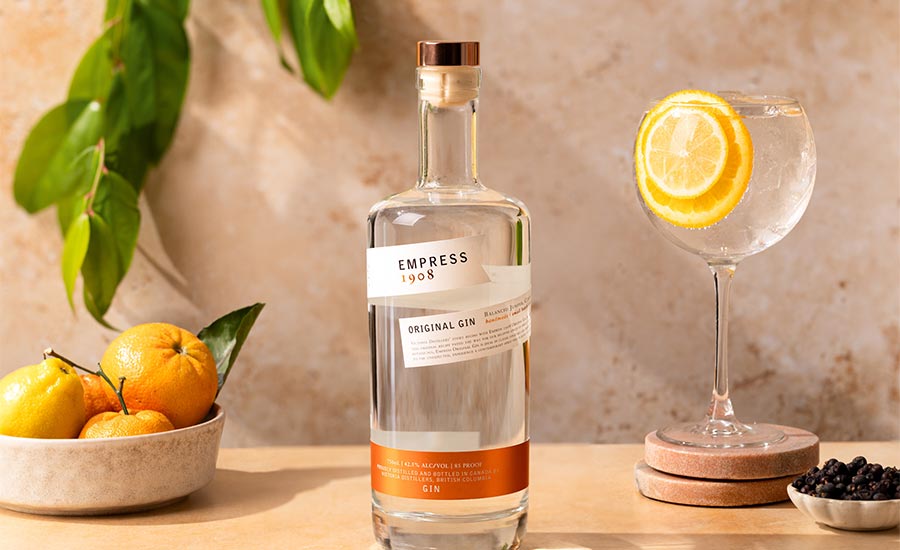 Image courtesy of Empress 1908
“Beverages positioned as healthier, mood-lifting alternatives to alcohol have growing interest, particularly when they avoid excessive stimulants and artificial ingredients,” she adds.
Arjuna’s Johnston shares how health and wellness trends are influencing the use of botanicals and adaptogens in beverage formulations.
“Consumers increasingly expect beverages to do more than simply provide refreshment or convenience,” he says. “They are looking for products that can support specific health and wellness goals, from mood and relaxation to gut health, immunity and overall well-being. This shift is encouraging beverage brands to explore botanicals and adaptogens as functional ingredients that can deliver a meaningful benefit in an accessible format.”
Johnston has observed the conversation shift toward health-benefit-first positioning, which he says suggests that botanicals and adaptogens will continue to play an important role as functional beverages evolve.
“The beverage category is experiencing the most rapid growth as consumers seek convenience and ease of use,” says James Roza, vice president of technical services at BioVivo Science, Jeffersonville, Ind. “Tied in with hydration, many formulations combine adaptogens along with electrolytes to satisfy hydration needs along with immune and cognitive support.”
Aside from multifunctional attributes, Kerry’s Gilsenan notes that botanicals align with consumers’ interest in recognizable ingredients, natural cues and refreshing, lower-sugar taste experiences.
Artemis International’s Grimes states that consumers want beverages that help them feel, perform and recover better, whether through energy, mood satiety, focus, relaxation or sleep support.
“Botanicals and adaptogens give formulators a clean-label way to deliver these benefits,” she explains. “Still, education is important: consumers are interested in functional ingredients, but may need help understanding which botanicals support specific outcomes and why.”
Adapting to adaptogens
As botanicals and adaptogens gain favor in formulations, certain beverage categories are more apt to incorporate these ingredients.
Arjuna’s Johnston says that mood support has emerged as one of the leading drivers of consumer demand in the functional beverage space. One micro-trend driving growth in mood support is the use of GLP-1 medications.
“According to Mintel, GLP-1 snackers have fewer cravings; however, this also means less indulgent flavors and fewer mood-boosting signals to the brain, leading to low mood and a ‘meh’ feeling, also known as ‘Ozempic personality,’” he explains. “Beyond GLP-1 users, overall concerns of mental health are considered to be near an all-time high.”
BioVivo’s Roza shares that the following categories are likely to use botanicals and adaptogens: prebiotic sodas, functional waters, protein drinks and non-alcoholic mocktails. These categories are likely to include American ginseng, ashwagandha and turmeric.
Nexira’s Wallart says botanicals and adaptogens are expanding across functional waters and sodas, energy drinks, sparkling teas, kombuchas, wellness shots, protein drinks, coffee and tea alternatives and non-alcohol adult beverages.
“Functional mushrooms are especially relevant in beverages, particularly hot drinks and soft drinks,” she states. “Among U.S. consumers buying mushroom functional foods and beverages, 53% use protein shakes, 50% coffee or tea, and 46% canned or bottled beverages.”
Botanicals and teas are moving beyond niche or experimental applications, Kerry’s Gilsenan says, helping manufacturers to create a “healthy halo” and position beverages as better-for-you or as more premium options for everyday consumption.
“Specifically, botanical ingredients are gaining momentum in teas, coffees, sparkling beverages and low- and no-alcohol drinks,” she notes. “… Across categories, the strongest concepts connect the ingredient choice to a clear consumer need while balancing its functional or botanical character with an approachable taste experience.”
When it comes to the most used botanicals and adaptogens and the benefits they offer, Arjuna’s Johnston points to ashwagandha and curcumin. Ashwagandha has been known to have a bitter, earthy taste, he says.
“Beyond its less-than-appealing taste, previously, brands needed to formulate with 500 mg or more of the ingredient to provide a clinically efficacious dose,” Johnston notes. “A new branded ingredient — Shoden-R Ashwagandha — launched at SupplySide Global has completely changed this for many brands. Backed by multiple clinical studies, Shoden has been shown to reduce anxiety, improve sleep and remain in the body four times longer than other ashwagandha extracts, all at a low dose of 60 mg.”
As for immunity benefits, Johnston notes that consumer preferences are shifting from traditional cold and flu supplements toward everyday functional formats.
“Arjuna’s BCM-95 curcumin, with its FDA GRAS status and clinical efficacy at low doses, is well positioned for this next wave,” he adds.
BioVivo’s Roza says that American ginseng is often used for stress, cognition and immune support, while saw palmetto is used for hair growth and restoration. Rhodiola is used for stress, physical stamina and energy, he notes, and mushrooms like lion’s mane for brain support and anxiety.
Nexira’s Wallart notes that the choice for botanicals and adaptogens used depends on the desired benefit: green tea and guarana for energy and vitality, lemon balm and lavender for relaxation, and ginseng for vitality and performance.
“Selecting the right ingredient requires manufacturers to consider the desired benefit and sensory experience together,” Kerry’s Gilsenan says. “As expectations rise, consumers want functional benefits paired with approachable, familiar flavor profiles that can balance the natural bitterness or herbal intensity of some adaptogens.”
Green coffee bean extract and l-theanine are popular for clean energy and focused alertness, especially when brands want to avoid a harsh stimulant profile, Artemis International’s Grimes shares.
“Lemon balm is often used for calm and stress support,” she says. “Medicinal mushrooms are also gaining traction, with different species positioned for immune health, cognitive support, stress resilience, sleep and overall wellness. More broadly, formulators are looking for credible, differentiated ingredients that support cognition and focus.”
Certain challenges must be addressed when working with botanicals and adaptogens.
“When using botanicals such as ashwagandha and turmeric, primary efficacy and safety concerns rise from adulterated, unsubstantiated, non-standardized extracts,” Arjuna’s Johnston shares. “Beyond that, the ingredient’s regulatory status is equally important.”
To position an ingredient as a functional ingredient in functional beverages, it must have Generally Recognized As Safe (GRAS) status.
“In addition to meeting regulatory standards, it is important to choose an ingredient with comprehensive toxicology and safety studies,” Johnston notes. “Unlike supplements, functional beverages are easy for consumers to take multiple doses [of] because they are part of their daily routines.”
BioVivo’s Roza urges beverage-makers to test masking, as many botanicals have bitter, earthy flavor notes that need to be modulated to make them palatable. Solubility is another consideration, as many popular botanical ingredients are not water-miscible and can precipitate out of solution over time, he says.
Roza adds that stability is another consideration, because the “bioactives in the herbs, which confer the benefits that consumers seek, can degrade due to temperature, pH and time.”
Beyond selecting the right botanical, Nexira’s Wallart says formulators need to consider quality, standardization, solubility, stability and taste.
“Botanical extracts can introduce bitterness, earthy notes, color or sedimentation,” she shares. “For beverages, Nexira selects highly water-soluble extracts designed to withstand low pH, pasteurization and UHT processing, while sensory profiling helps anticipate flavor interactions. Regulatory requirements and permitted claims must also be assessed market by market.”
Artemis International’s Grimes shares similar thoughts, listing challenges with taste, solubility, color and dosage.
“Some ingredients can also create sedimentation, haze or unappealing color,” she says. “Packaging should be considered early; for example, clear bottles may not suit ingredients that are light-sensitive, settle over time or affect appearance.”
Grimes also notes that beverage-makers should be selective about how many functional ingredients they combine, because overly complex formulas can be difficult to formulate, communicate and support with meaningful doses.
A blooming future
Until recently, innovation in functional beverages has focused on convenience, Arjuna’s Johnston states. Lately, new product launches have leaned into health-benefits-first messaging rather than convenience-only.
“In addition to mainstream health-benefit-oriented messaging with functional beverages, the next big innovation we will see is personalized nutrition,” he says.
“Botanicals are becoming increasingly mainstream, particularly among Gen Z and younger millennials, as consumers gravitate toward complex, aromatic flavor profiles that feel refreshing, premium and closely connected to nature. ”
– Farrah Gilsenan, global marketing director of taste at Kerry
BioVivo’s Roza feels that formulation will continue to become more sophisticated in their composition, combining herbal extracts with nutraceuticals like theanine, NMN and prebiotic fibers designed for healthy aging, enhanced cognitive abilities and increased energy.
Nexira’s Wallart says the company expects innovations to become more targeted, with formulations built around clear need states such as focus, sustained energy, relaxation, sleep or immunity.
Kerry’s Gilsenan anticipates that the next phase of botanical and adaptogen innovation will be shaped by the continued shift from niche functionality toward mainstream, everyday wellness.
“Consumers will increasingly look for beverages that address overlapping priorities, such as stress, focus, mood, sleep, immunity and healthy aging, creating opportunities for multifunctional formulations that support the whole person, rather than a single need state,” she states.
Artemis International’s Grimes considers the next wave likely to move beyond conventional energy and a broad adaptogen positioning.
“Expect growing interest in non-sedating mood support — a ‘calm lift’ — along with cognitive performance, mental clarity and stress resilience,” she concludes. “Polyphenol-powered functionality is also gaining momentum, especially for metabolic and cellular health. The larger opportunity is beverages that support how people want to feel and function throughout the day: sharper under pressure, calmer without drowsiness and better equipped to manage everyday stress.”
Looking for a reprint of this article?
From high-res PDFs to custom plaques, order your copy today!