College students seek function, flavor from campus dining
Functional sips, botanical teas among top trends influencing menus
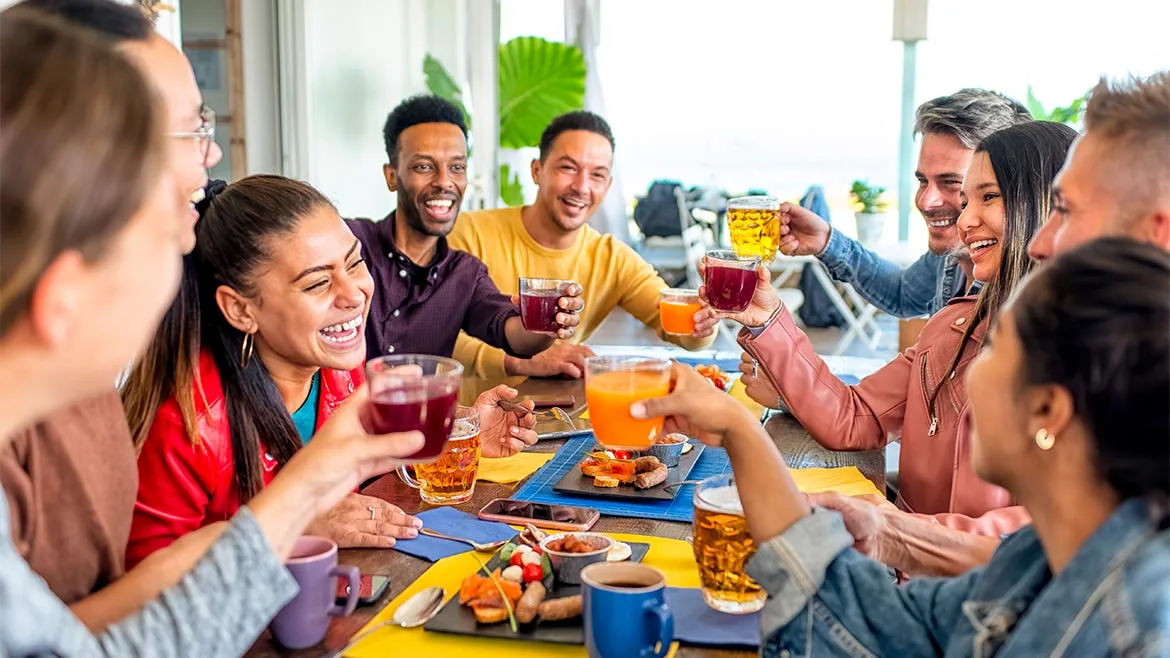
With campus traditions such as tailgating, football games, and bonfires now in full force, today’s college students are rewriting the rules of campus dining, according to Chartwells Higher Education, a recognized leader in contract food management.
Driven by student input and culinary insights from Chartwells’ expert team of chefs, Chartwells’ “2026 Fall Flavor Forecast” spotlights a generation that views food as more than just fuel. Last year, viral social media recipes and global flavors took charge, but this semester, texture-rich dishes and functional meals and beverages are top of mind for students, the company says.
For the 2026 fall semester, Chartwells identified the following five food, beverage, and dining trends that guided its expert team of chefs:
Gen Z Grazing: The traditional three meals a day have been replaced by flexible snacking. Between busy schedules and a love for bite-sized foods, college students favor smaller, more frequent portions throughout the day.
Functional Sips: Beverages are no longer just for quenching thirst. According to Chartwells Higher Education’s 2026 Campus Dining Index (CDI), students favor electrolyte drinks (22%) and prebiotic sodas (14%).
Botanical and Global Teas: Seasonal warm beverages are expanding far beyond basic pumpkin and maple. According to the CDI, specialty teas rank fourth as a preferred beverage choice among students.
Fibermaxxing and Gut Health: Driven by the viral social media trend of “fibermaxxing,” students continue to seek out meals that support digestion and maximize fiber intake with the CDI indicating high demand for gut-friendly (12%) and high-fiber (11%) diets.
Sensory Eating: Fall menu development draws inspiration from contrasts between crispy, vegetable-forward ingredients and rich, smooth elements like savory tomato reductions.
“By listening closely to the students we serve every day, we make sure that our menu offerings are aligned with current preferences,” said Chef Sarah Bodner, vice president of creative and innovation at Chartwells Higher Education, in a statement. “The data from our latest CDI confirms that today's students want options that support their wellness priorities and adventurous tastes. By exploring elements like functional beverages and texture-rich sensory dishes, we are creating engaging dining environments that feel more like culinary destinations.”
Looking for a reprint of this article?
From high-res PDFs to custom plaques, order your copy today!