Performance beverages offering more benefits for consumers
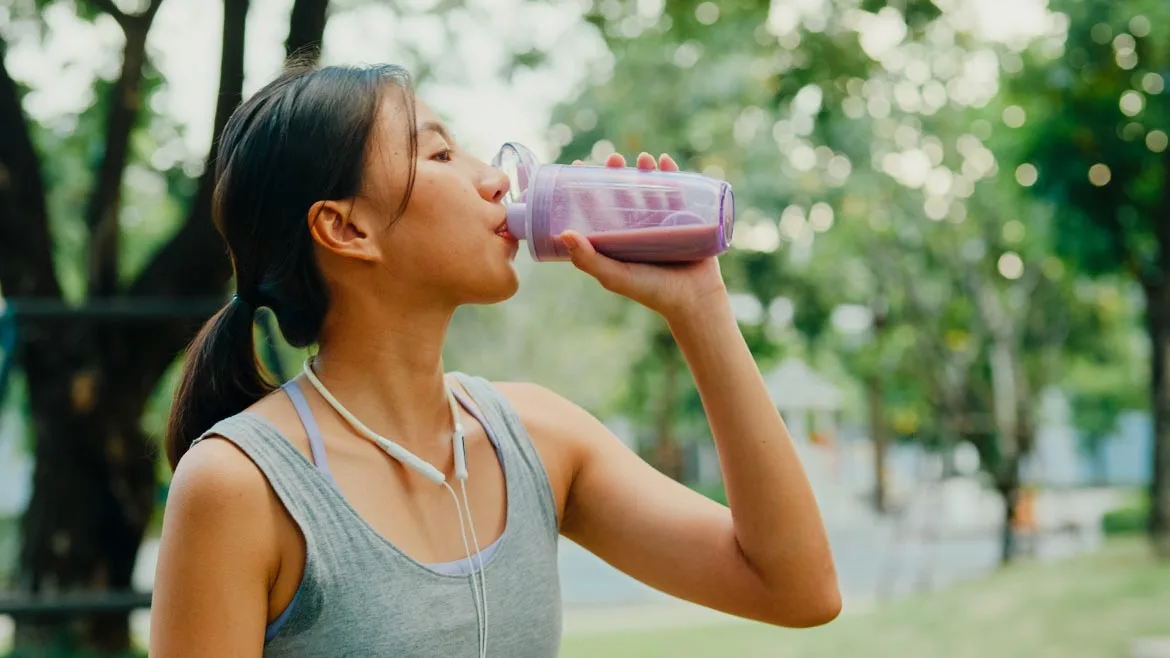
As consumers take greater control of their health and well-being, performance beverages that were once designed to fuel athletic and fitness activities also are being incorporated into broader wellness goals.
“Performance is no longer a single benefit or a category reserved for elite athletes,” says Simon Hague, vice president of beverage solutions at Kerry, Beloit, Wis. “Consumers are increasingly expecting beverages to do more across a range of everyday occasions — from supporting hydration, energy and recovery to delivering protein, fiber, immune support or other targeted benefits. As the category expands, we are seeing greater demand for multifunctional products that address several of these needs in one convenient format.”
Rhianna Smith, global senior manager of functionally optimized nutrients for Health & Nutrition at Glanbia, Chicago, echoes similar sentiments.
“We see that in performance beverages, as in all functional beverage ‘asks’ right now, consumers are looking for more,” she says. “There’s a propensity of asks for performance plus hydration, performance plus cognition, performance plus energy, etc. More than ever, consumers, and especially Gen Z, are looking to functional beverages to meet their lifestyle needs.”
Micah Greenhill, senior marketing director for beverages at ADM, Chicago, explains that the extension of benefits can be linked to a more diverse consumer group turning to these products.
“A wider audience has entered the performance beverage market, including not only elite athletes, but also regular exercisers, gamers and consumers taking anti-obesity medications (AOMs), such as GLP-1 receptor agonists,” Greenhill says. “Consumers across these groups seek performance support and multi-benefits, including hydration, energy, focus, muscle maintenance, recovery, and digestive and immune support.
“More broadly, consumers look for beverages that fit their lifestyles and help them accomplish what matters,” he continues. “These consumers are highly performance-driven, seeking ingredients and formats such as caffeine, l-theanine, energy drinks, coffee and hydration beverages. They also tend to be on the cutting edge of health and wellness trends, making them an important signal for where the market may be headed.”
Emily Berg, marketing manager at Cargill, Minneapolis, notes how consumers want benefits such as endurance, hydration, mental focus, and sustained energy, in convenient formats.
“Protein continues to anchor the performance beverage space, but the opportunity is expanding well beyond the traditional shake,” Berg says. “Advances in clear protein are making it possible to create lighter, more refreshing formats, bringing protein to waters, energy drinks, sodas and more.
“Hydration is also evolving beyond basic fluid replacement,” she continues. “We’re seeing a spectrum of solutions, from those targeting everyday hydration to higher-electrolyte products positioned as performance tools. Energy is shifting from a quick boost to sustained fuel. Consumers increasingly want steady energy and focus without the spikes and drop-offs associated with a quick hit.”
Beverage potential
Although performance beverages have been highly associated with energy and sport drink categories, experts highlight that those parameters have shifted.
“Endurance and recovery ingredients are most established in traditional sports drinks, electrolyte beverages, enhanced waters, protein shakes and ready-to-drink nutritional beverages,” Kerry’s Hague says. “Hydration-focused products typically combine water and electrolytes, and may include carbohydrates for sustained activity, while recovery beverages often place greater emphasis on protein alongside fluid and electrolyte replenishment.
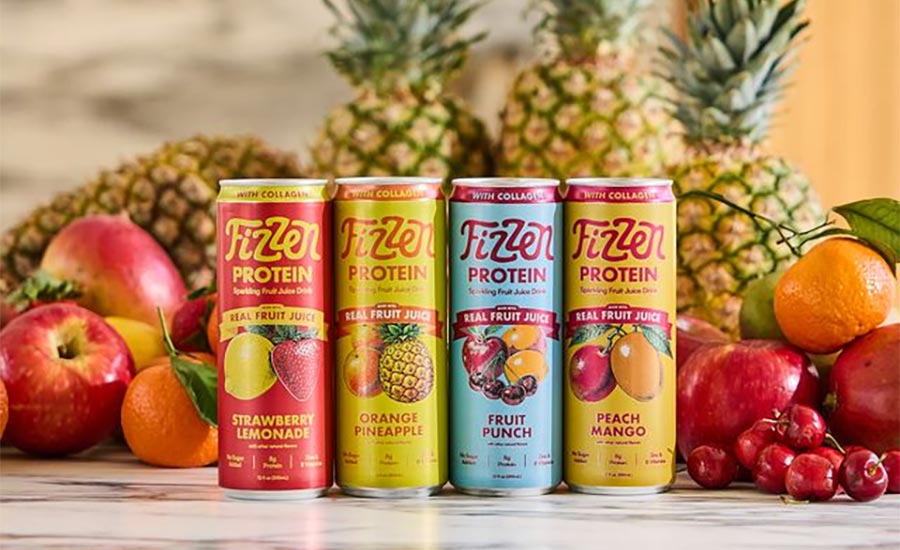 Image courtesy of Fizzen
“These ingredients are also moving into a wider range of formats as performance nutrition becomes more relevant to everyday consumers,” he continues. “Dairy- and plant-based protein beverages can support post-activity nutrition, while enhanced waters and other functional beverages offer lighter formats for hydration and daily well-being. We are also seeing opportunities for hybrid products that combine several benefits — such as hydration, protein, digestive health and immune support — within a single beverage designed for a defined consumer or occasion.”
ADM’s Greenhill notes that certain ingredients might have a higher association with certain categories over others.
“Electrolytes are used in sports drinks, energy drinks, flavored waters and RTD protein shakes,” he says. “Protein sources are expanding to soy protein, with protein inclusion seen in shakes and powders, along with waters and energy drinks. Energy beverages and popular carbonated soft drinks (CSDs) can incorporate electrolytes, B vitamins, l-carnitine, choline and natural caffeine sources to address energy, focus and hydration needs.”
However, Greenhill harkens back to the “all-in-one” concept for performance beverages that feature an amalgamation of functional attributes.
“There’s a propensity of asks for performance plus hydration, performance plus cognition, performance plus energy, etc. More than ever, consumers, and especially Gen Z, are looking to functional beverages to meet their lifestyle needs.”
– Rhianna Smith, global senior manager of functionally optimized nutrients for Health & Nutrition at Glanbia
“Think beverages combining hydration with energy or muscle recovery with digestive, metabolic and emotional well-being support featuring prebiotic dietary fiber, probiotics and postbiotics,” he says. “For example, our Tangelo Tribiotic Dirty Soda concept is a better-for-you take on the trending ‘dirty soda.’ It includes ADM/Matsutani LLC’s Fibersol prebiotic fiber, DE111 spore-forming probiotic and Esflorin1 postbiotic working in tandem, while also delivering zero grams of added sugars.”
Meghan Wahlin, senior product strategic manager for Dairy Nutrition at Glanbia, explains that hydration remains the most established mainstream application, but the company is seeing performance and recovery ingredients move into categories like functional waters, coffees, sodas and other lifestyle beverages.
“Think protein sodas, sparkling creatine beverages, chocolate electrolyte drinks, protein lattes or relaxation beverages featuring l-theanine and magnesium,” she says. “The lines between traditional beverage categories are blurring, giving consumers more options to find a functional beverage that fits their needs, mood or social setting.”
Cargill’s Berg highlights that for protein applications, ready-to-drink (RTD) shakes are a top delivery format within beverages.
“Today, RTD shakes account for 44% of diet and performance nutrition sales, [according to] Nielsen, 52 weeks ending Aug. 1, 2026, and the segment has posted a 15%-plus CAGR in dollar sales over the last five years,” she says. “At the same time, endurance and recovery ingredients are moving into a much wider range of beverages. Hydration beverages, sports drinks, energy drinks, and functional waters are all in the mix. The lines between these categories continue to blur as brands combine hydration, energy, protein and other performance benefits in a single product.”
With consumers wanting performance beverages to deliver more benefits and are interested in getting them from more categories, the market is sure to see more innovations hitting the market.
Looking for a reprint of this article?
From high-res PDFs to custom plaques, order your copy today!