Beverage-makers make it easier for consumers to get their protein
Clear protein solutions help nutrient expand beyond shakes
On the YouTube channel “Tito Time,” in episode 6 titled “Tito and Mr. Funny Learn About Protein Foods,” Tito talks about how he hears grown-ups talk about protein all the time, but doesn’t know what it is. To learn, he asks his smartwatch, which explains the importance of protein nutrients for building and repairing muscles, nails, skin, hair, bones, and organs, and how protein can come from animals as well as plants.
With protein popping up in more places, including children’s programming, it would be hard to deny the power of protein in today’s new product development.
“Protein continues to perform exceptionally well, and the past year was no exception. Demand is broad-based, with consumers consistently ranking protein as the nutrient they try to consume,” says Emily Berg, marketing manager for beverages at Cargill, Minneapolis, citing IFI Food & Health Survey, 2025. “We’ve also seen strong innovation across categories, from traditional shakes to refreshing new formats, which has helped fuel growth.”
Pierre Battu, managing director for Asia at OSF Flavors, Windsor, Conn., highlights how protein’s status has evolved to become a prevailing ingredient for formulators.
“The protein market has remained strong, evolving from a niche performance driver into a mainstream wellness expectation,” he says. “While traditional sports drinks are still the backbone, the fastest growth has come from ready-to-drink (RTD) protein beverages positioned for energy, recovery, and satiety. Consumers now expect protein not only in the gym context but also in convenient formats that fit their daily routine.”
Niki Kennedy, director of insights and content at Glanbia Nutritionals, Chicago, echoes similar thoughts on the nutrient’s mainstream status, while calling attention to its growing focus as weight management solutions like GLP-1s having gained status.
“The demand for dairy protein, in particular whey protein isolate, has driven dairy markets to historically high places,” she says. “A rising tide for protein has been supported by the proliferation of protein in more mainstream products, augmented by the importance of nutrient density as GLP-1 anti-obesity medications impact many consumers.
“Protein continues to shine as the one macronutrient with a consistent, positive image,” Kennedy continues. “All of these factors have contributed to growth in ready-to-drink and ready-to-mix protein beverage formats.”
These factors all are contributing to consumers growing interest in protein-fortified beverages.
“Interest in protein-fortified drinks is growing for a few key reasons,” says QiQi Peng, manager of applications for cheese and ingredients at Hilmar, Hilmar, Calif. “While some of the buzz is tied to people using medications that affect appetite — many of whom are increasing their protein intake to help stay full and maintain muscle — this trend is much broader.
“More and more consumers are paying close attention to their protein intake,” she continues. “In fact, many people now say protein is one of the most important nutrients in their diet. In the U.S., over half of consumers track how much protein they’re getting — just as carefully as they watch sugar, and even more than calories.”
Peng adds that consumers are seeking convenient ways to incorporate protein to support fullness, muscle health, and weight loss.
“That’s why we’re seeing more innovation in beverages that make it easy to get a protein boost — whether it’s in a smoothie, a coffee drink, or a refreshing clear beverage,” she says.
Glanbia’s Kennedy echoes similar sentiments on protein’s benefit as well as how beverages are supporting those needs.
“As consumers support healthier lifestyles, high-sugar, nutrient-poor beverages continue to be replaced by more nourishing options,” she says. “Protein-fortified beverages are filling this space and will likely expand as ingredient technology supports new types of protein beverage fortification outside traditional neutral options.”
Cargill’s Berg explains that in the company’s 2025 Protein Profile report it found that 61% of consumers indicated they increased their protein intake in 2024, which is up from 48% indicating as such in 2019. The study also found that 57% of those who read nutrition labels check protein content.
“Today’s shakes, smoothies, and RTDs make it easy to get that protein on the go. It’s not just athletes reaching for protein-powered drinks,” Berg says. “From parents to Gen Z, everyone sees protein’s important role in overall health and wellness. This expanding audience is creating opportunities for brands to bring protein into more beverage occasions.”
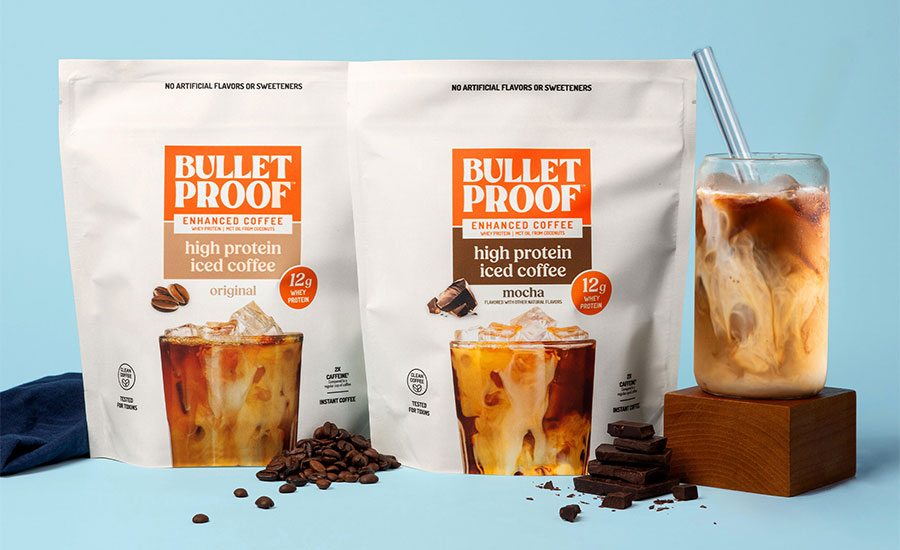
OSF Flavor’s Battu explains that consumers’ interest in protein has helped the nutrient expand beyond traditional protein shakes. For instance, functional coffees and teas like Bulletproof’s high-protein iced coffee, he says.
Battu also points to smoothies and juice blends that layer protein with fruits and superfoods, hydration/energy drinks that pair protein with electrolytes or adaptogens, dairy alternatives that deliver on protein level comparable with dairy, and snack-style beverages in dessert-like formats.
Glanbia’s Kennedy also highlights the evolution of protein ingredient beyond traditional shakes.
“Even traditional fluid milk product extensions with additional protein fortification are entering the market,” she says. “Protein-fortified water, coffee and carbonated soft drinks are finding niches that could evolve into sizable categories. Adding protein to energy and hydration, in both RTD and RTM formats, is another trend.”
Cargill’s Berg specifically highlights the role that clear proteins are playing.
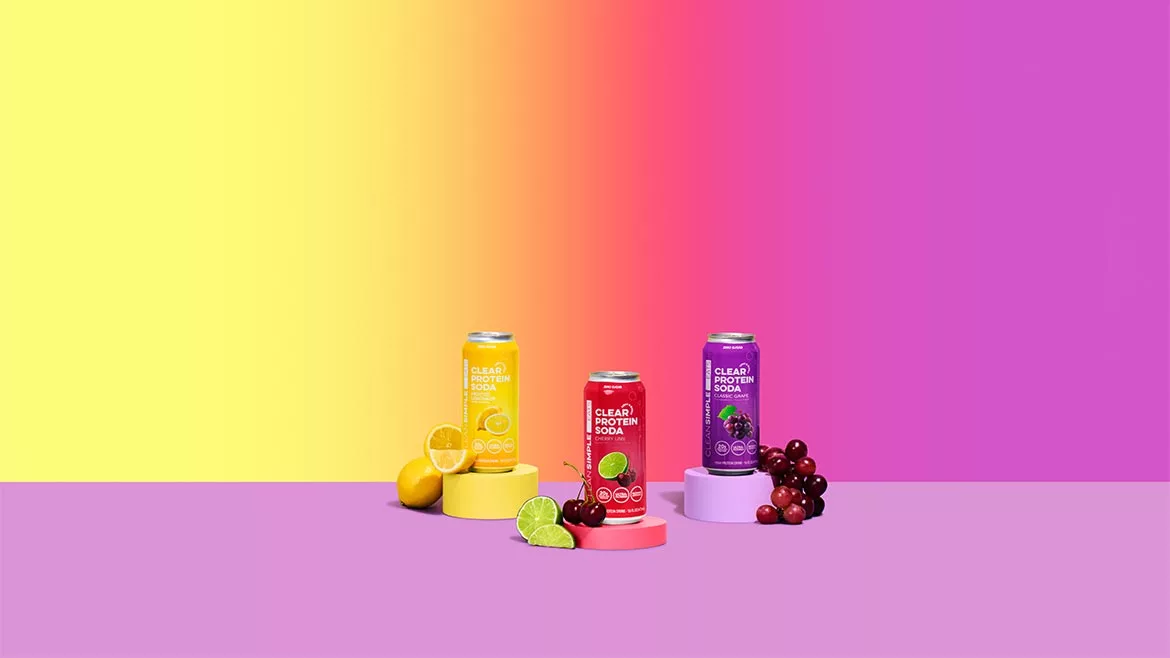
“Clear proteins are rewriting the rules, taking protein beyond the shake,” she says. “We’re now seeing launches in flavored waters, sodas and more. At this point, there’s almost no beverage category where brands aren’t exploring how to add protein.”
Hilmar’s Peng also denotes the benefits of incorporating protein into clear beverages.
“One notable area of growth is in clear protein beverages, particularly those utilizing whey protein isolate,” she says. “These products offer a lighter, more hydrating alternative to opaque protein shakes and are often formulated with fruit-forward or tart flavor profiles. Their appeal lies in the combination of high protein content and sensory characteristics that align with consumer preferences for refreshment and convenience.”
Alternative options
As interest in protein ingredients increases, suppliers are tapping into emerging solutions. However, these solutions come with additional variables that manufacturers must evaluate.
“Every alternative protein source has unique properties, so it’s important to match the protein to the application,” says Andrew Zumbusch, senior research scientist at Cargill. “Pea protein, in particular, has advanced dramatically in recent years. By unlocking more of its functionality, we can now design proteins for specific applications, enabling us to create products with higher protein levels that still deliver great sensory experiences.”
Zumbusch explains that Cargill’s PURIS portfolio offers a range of viscosities, impacting how the protein functions in applications.
“Some PURIS proteins are designed to build body in beverages, while others — like PURIS 870H or ClearP hydrolyzed pea protein — won’t build viscosity even under heat,” he says. “As we get more functionality from these proteins, we’re also finding opportunities to simplify labels. PURIS RTX is a great example. In our prototype work, we’ve used this pea protein concentrate to craft a plant-based dairy-alternative milk without added stabilizers, another step forward for label-friendly formulation.”

When working with plant-based proteins, OSF Flavor’s Battu explains that formulators should consider the variable in off-note intensities based on the protein source.
“For soy, which has a beany or legume flavor, roasted, mocha, or cereal notes can help mask its taste,” Battu says. “Oat/almond, cereal/nutty [like] toasted and cookie-like flavors enhance warmth. Grassy/earthy mask with citrus, berry, or nutty notes.”
Glanbia’s Kennedy also notes the importance of delivering clean taste and smooth texture when working with plant-based proteins, but shares additional considerations.
“Another issue is that many plant-protein sources do not provide complete proteins, meaning they lack some key amino acids, which is becoming more important to discerning consumers,” she says. “These challenges can be overcome with functionally optimized and blended plant-protein solutions, but experience in both format and protein function are vital to success. Scaling the numerous potential plant protein sources is another issue.”
Developed for success
Whether working with animal- or plant-based protein, suppliers note there are several important factors that formulators should consider when developing ready-to-drink beverages.
“While consumers often focus on total protein content — believing that ‘more is better’ —not all proteins are created equal,” Hilmar’s Peng says. “From a food science perspective, it’s essential to understand how different proteins behave in the body post-consumption, as this directly affects their nutritional impact.
“Milk and whey proteins are widely used due to their high bioavailability, excellent solubility and good heat stability,” she continues. “For consumers with dairy sensitivities, plant-based proteins such as pea, soy, rice, and oat offer viable alternatives. Additionally, hydrolyzed proteins are gaining popularity for their pre-digested form, which allows for faster absorption and easier digestion.”
Additional factors for manufacturers to consider are protein ingredients’ impact on taste and texture.
“Taste and mouthfeel is the No. 1 consideration that beverage-makers cannot sacrifice on in order to get repeat purchase,” Glanbia’s Kennedy says. “Convenience is another consideration, particularly for ready-to-mix formats. Consumers now demand a dispersible powder that goes easily into solution. Individual stick packs are also a format driver in this space.”
Cargill’s Zumbusch echoes similar thoughts, emphasizing the importance of solubility.
“With beverages, solubility is critical,” he says. “No one wants grit or sludge at the bottom of the bottle. Consumers expect smooth, creamy mouthfeels, but some proteins just aren’t very soluble. Our joint venture partner PURIS tackled this head on, formulating PURIS 2.0 specifically for beverages. It offers superior solubility and improved taste compared to most other pea protein options, enabling higher protein concentrations without compromising product quality.”
Zumbusch further details the impact that acidity and processing temperatures can have on protein ingredients.
“Acidity is another challenge, as many plant proteins break down in low-pH environments. PURIS HiLo helps solve that problem, bringing more stability and smoothness to low-pH beverages,” he says. “Processing adds further complexity. At higher inclusion levels (20-plus grams of protein per serving), some plant proteins may clog ultra-high temperature (UHT) machines. Maintaining mouthfeel over shelf life is another concern as some plant proteins may cause high-protein beverages to become more viscous over time, yielding a final product that’s more akin to pudding than a drink.”
OSF Flavor’s Battu also explains that processing stability should be considered with protein fortification.
“Heat treatment, pH, and protein type affect solubility, sedimentation, and texture. Smooth mouthfeel and no clumping are critical for on-the-go consumption,” he says.
Battu further points to flavors’ ability to support protein beverages.
“High protein loads bring bitterness, chalkiness, and cereal or grassy notes,” he says. “A unique multi-layered approach is used in Maskers developed by OSF FLAVORS. This layered strategy not only masks undesirable notes but also improves mouthfeel, allowing high-protein beverages to taste balanced and indulgent.”
What’s to come
As innovators look to stand out with their new releases, experts highlight that it will be crucial to look at the ways they can differentiate.
“More tailored or target solutions are on the horizon for protein and beverages,” Glanbia’s Kennedy says. “Personalization of specific optimum beverage solutions looms on the horizon. Many strategies can be used to create protein beverages that align with consumer interest and timing preferences. Examples include refueling beverages from pre- or post-workout to more active lifestyle sustenance.
“Beverages for on-the-go consumption, sustained energy gaming beverages, mid-morning protein shots, refueling and late-night calm and restful sleep beverages, among others,” she continues. “We suspect that beverage categories fulfilling core needs of hydration and energy are going to expand into the protein space as consumers look for multi-benefit products that work harder in achieving their health goals.”
Cargill’s Berg echoes similar sentiments about the importance of differentiation in today’s beverage market.
“As the high-protein beverage market matures, differentiation is becoming critical,” Berg says. “The next wave is ‘Protein Plus’ — pairing protein with other functional benefits like energy, relaxation or vitamins to create multifunctional beverages. At the same time, as shelves become more crowded, brands need to be crystal clear about the consumer ‘job to be done’ — whether it’s post-workout recovery, all-day hydration, or a satiating snack — and design their protein offerings accordingly.
“Clarity advances are also expanding opportunities, making it possible to formulate protein beverages in categories like juices and flavored waters,” she continues. “Still, while front-of-pack claims may encourage trial, repeat purchase comes down to taste. That’s where Cargill helps brands win, with sweetener systems to deliver on the taste.”
Beyond personalization, expansion of pre- and post-workout solutions, OSF Flavor’s Battu says that protein beverage innovations could take inspiration from sophisticated culinary profiles like “lighter chocolates, toasted caramels, global fruits, or savory-sweet fusions (e.g., miso caramel) — that mask protein bitterness while appealing to adventurous, health-focused consumers.”
However, consumers choose to incorporate protein into their diets, beverage-makers have the tools to make them desirable.
Looking for a reprint of this article?
From high-res PDFs to custom plaques, order your copy today!