2026 State of the Beverage Industry: Energy drinks, shots market embraces innovation, functionality
Consumers look to energy drink category for functional benefits

As energy drinks evolved to meet consumers’ broader wellness expectations, the traditional shot format is struggling to keep pace, experts note.
Mitch Madoff, head of retail strategy at Keychain, New York, noted in Beverage Industry’s August 2025 issue, that the energy drink category continues to grow steadily, with manufacturers seeing more than 3% year-over-year (YoY) growth, according to Keychain data.
“Meanwhile, the energy drink shot market has declined by nearly 4% over the same period, signaling a clear shift in consumer behavior — shoppers are gravitating toward full-size beverages that feel more like lifestyle products than quick fixes,” Madoff said. “This trend is being driven by the rising demand for multifunctional drinks — products that deliver energy with added health benefits, cleaner ingredient profiles and better flavor experiences.”
Roger Dilworth, senior analyst at Wintersville, Ohio-based Beverage Marketing Corporation (BMC), noted the challenges the energy market experienced in 2024.
“In 2024, energy drinks had a relatively weak year, growing volume by 1.6% and retail dollars by 3.7%,” he said, in Beverage Industry’s August 2025 issue. “Energy shots decreased in volume by 2% and grew retail dollars by about the same percentage.”
Jack Doggett, food and drink consumer insights analyst at Mintel, Chicago, noted that the overall energy drinks and shots market grew 6.4% in 2024, indicating a healthy market overall.
“However, energy drinks accounted for nearly all of that growth (6.9%), while energy shots have seen slight declines and flat growth over the past few years,” he said. “Energy drinks have benefited from innovations in flavor, format and better-for-you (BFY) options.”
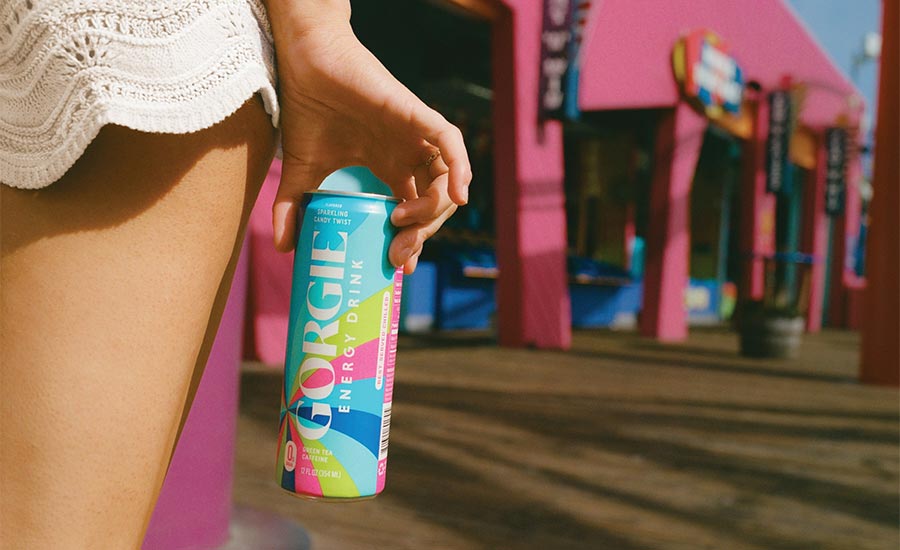 Image courtesy of GORGIE
Data from Chicago-based Circana show that dollar sales for the overall energy drinks category totaled $28.1 billion, up 15.2%, for the 52 weeks ending April 19, in total U.S. multi-outlets.
Among the various segments, non-aseptic energy drinks held the lion’s share of sales, $27.3 billion, up 16% for the same time period. Meanwhile, dollar sales for energy shots reached $845 million, a decrease of 4%.
Mintel’s Doggett shared in Beverage Industry’s August 2025 issue, that BFY and natural trends have resulted in a need for brands to find ways to stand out.
“Consumers expect more benefits than before to help them consider an energy drink healthy,” he stated. “A variety of vitamins and minerals, low sugar, added hydration and a lack of jitters are all energy drink-specific benefits consumers expect to see in BFY options. Since energy drinkers expect a multitude of benefits, stacking will be essential to differentiate BFY options in a crowded market.”
Natural ingredients and sweeteners do have a place in energy drinks, Doggett added, but they are slightly less top-of-mind than the aforementioned benefits.
“The main audience of energy drinks, males 18-44, are least swayed by BFY benefits, but can be won over by marketing tangible, physical benefits like increased nutrition for muscle growth,” he stated.
Keychain’s Madoff noted in Beverage Industry’s August 2025 issue, that BFY and natural trends are reshaping the energy drinks category from the inside out,
“Today’s consumers want more than a caffeine boost — they’re demanding clean-label products with functional ingredients that align with their wellness goals,” he explained. “Think natural caffeine from green tea or yerba mate, little to no sugar and added perks like hydration, focus or immune support.”
This shift is pushing brands to rethink not just what is in the can, but how it is marketed, Madoff noted.
“Energy is no longer about performance, it’s about how you feel — mentally and physically — throughout the day,” he said. “It’s raising the bar for innovation and opening the door for brands that can deliver energy in a way that feels healthier, more intentional and better aligned with modern lifestyles.”
BMC’s Dilworth, meanwhile, shared in Beverage Industry’s August 2025 issue, that zero-calorie energy drinks continue to gain share at the expense of regular energy drinks.
“Companies continue to introduce products that have a core energy function (e.g., B vitamins and caffeine), as well as ones that have core energy plus additional better-for-you benefits,” he said.
Other consumer trends are impacting the energy drinks and shots sector, too.
“As noted, zero calorie is an important attribute sought out by consumers,” BMC’s Dilworth said. “There has already been a move by some brands to offer formulations with fewer artificial ingredients, a trend that presumably will only gain strength under the RFK Jr. era.”
Mintel’s Doggett noted that sober curiosity is a trend that energy drinks are taking advantage of.
“In fact, 33% of energy drinkers aged 22-plus believe that energy drinks are good alternatives to alcohol, with the majority being older consumers,” he shared, in Beverage Industry’s August 2025 issue.
“Additionally, fitness trends are helping energy drinks find their way to consumers for more occasions,” Doggett continued. “Consumers who regularly engage in physical activity seek more types of energy drinks and also engage more frequently in the category.”
Keychain’s Madoff, meanwhile, stated that consumers are redefining what “premium” means in the energy category.
“It’s no longer about indulgence or flashy branding,” he explained. “Instead, it’s about alignment with personal values and wellness goals. Today’s shoppers see quality in clean ingredients, a commitment to sustainable sourcing and functional benefits beyond just energy.”
Identity-based consumption also plays a bigger role, Madoff noted.
“Whether it’s choosing a female-founded brand, a plant-based formula or recyclable packaging, consumers want products that reflect who they are and what they care about,” he said, in Beverage Industry’s August 2025 issue. “In turn, brands are leaning into purpose and positioning just as much as performance and flavor.”
Experts shared that certain flavor innovations have made their way into the energy drinks and shots sector.
Keychain’s Madoff said that nostalgic flavors are having a major moment in the market.
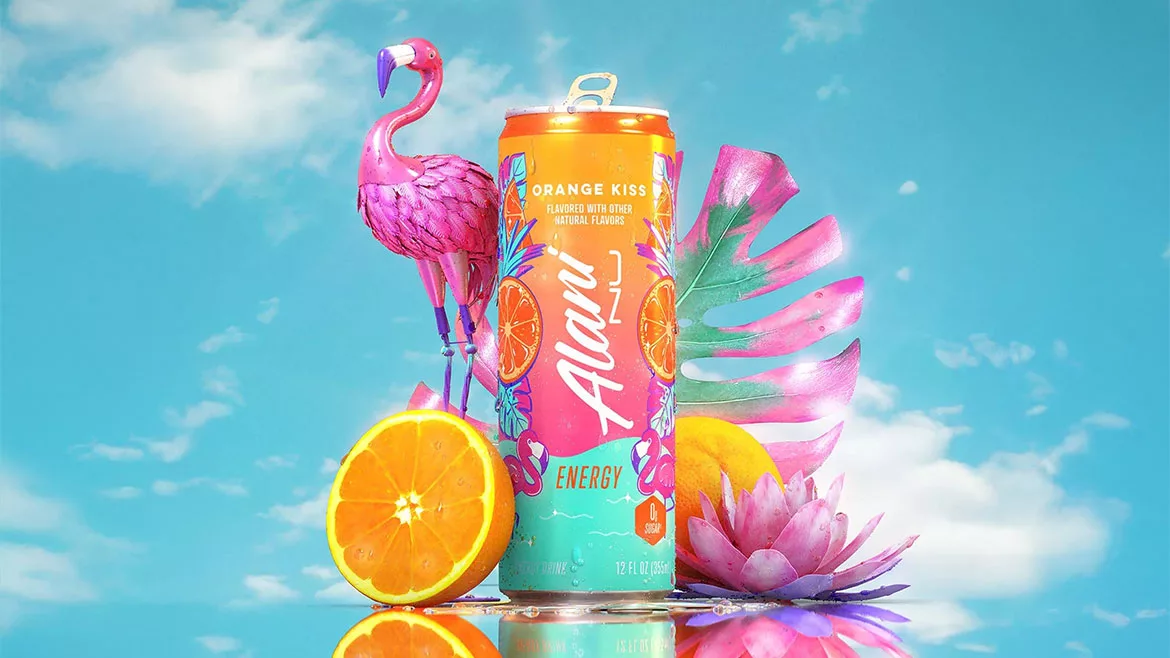
“On the Keychain platform, we’re seeing C4’s Popsicle Cherry and Grape are each up more than 770% year-over-year, showing strong demand for childhood-inspired flavors with the added benefit of an energy boost,” he noted, in Beverage Industry’s August 2025 issue. “At the same time, fruit-forward continue to lead the category. Alani Nu’s top performers — Cherry Slush, Juicy Peach, Cherry Twist and Orange Kiss — are combining familiar tastes with cleaner, more modern formulations.”
Alani Nu’s drinks contain zero sugar, pointing to the growing demand for cleaner formulations without added sweetness, Madoff added.
Mintel’s Doggett noted that 39% of consumers indicate interest in multiple flavors in one pack, underscoring their demand for flavor-forward offerings.
Yet, the market for energy drinks and shots comes with challenges brands must contend with, especially as brands aim to expand their consumer bases, experts noted.
Keychain’s Madoff said in Beverage Industry’s August 2025 issue, that the market faces a few key challenges.
“For one, growing health concerns around high-sugar content and artificial ingredients — like Red 40 — are prompting consumers, especially younger and wellness-focused groups, to be more selective or avoid traditional energy products altogether,” he shared. “With increasing competition from alternative functional beverages like adaptogen drinks or nootropic blends, the energy space must continuously evolve to stay relevant and resonate with shifting consumer lifestyles and values. Navigating these challenges is critical to unlocking new growth opportunities in this dynamic category.”
Mintel’s Doggett expressed similar thoughts. Although BFY options have helped, he said health concerns persist.
“Notably, 35% of energy drinkers are worried about the potential long-term effects of consuming them, and with an increased media focus on negative health experiences, brands need to be transparent to grow,” Doggett stated. “Caffeine is one of the main concerns, but natural caffeine (e.g., from tea) is perceived as healthier, and 34% are interested in caffeine-free energy drinks.”
Any innovations will need to pass the safety test, he said, whether that explores caffeine-free options or expands functional benefits.
BMC’s Dilworth said in Beverage Industry’s August 2025 issue, that energy drinks have long had skeptics wondering where the next tranche of growth is coming from.
“But innovation in the category has been reliable: the latest case in point is energy drinks tailored to women, which took a while to gain momentum, but whose moment has arrived,” he explained. “Potential challenges appear to be more transitory in nature, relating to economy or weather.”
On the other hand, shots seem to have exhausted their total addressable market, Dilworth said. Theoretically, there could be some functional breakthroughs that could prove to be a game-changer for energy shots, he added.
The category also has been affected by the proliferation of entrants to the market.
Keychain’s Madoff noted in Beverage Industry’s August 2025 issue, that an influx of new players is both fueling innovation and fragmenting the space.
“On one hand, it’s driving innovation at a rapid pace and pushing brands to experiment with new ingredients, formats and flavors to capture niche audiences,” he explained. “On the other hand, it’s increased competition and consumer choice to the point where standing out is tougher than ever. This influx has also raised the bar for quality and transparency, as consumers become more discerning and skeptical of claims.”
The crowded landscape is forcing established players and newcomers alike to sharpen their value propositions and connect more authentically with evolving consumer needs, Madoff noted.
Mintel’s Doggett shared that new entrants allow energy drinkers to choose from a wide variety of types of drinks, noting that 29% of consumers drink four or more different types of energy drinks.
“The category is not particularly brand loyal, and most consumers are open to trying new flavors, but Red Bull, Monster and Celsius still make up around 75% of the market due to their wide selection of products,” he said, in Beverage Industry’s August 2025 issue. “Celsius has seen the most recent growth, up 15.1% since 2024.”
Doggett projected that growth for energy drinks while shots will have a more measured performance.
“Energy shots are projected to remain relatively flat,” he noted. “Energy drinks are expected to grow at a rate of at least 6% YoY, including a 7.3% increase in sales in 2026, specifically driven by new BFY and flavor innovations.”
Keychain’s Madoff projected the energy drinks market’s momentum will continue to build, fueled by a continued innovation and shifting to meet consumer demand for functional, BFY options.
“The real change, though, is happening in the shot format,” he stated, in Beverage Industry’s August 2025 issue. “Traditional energy shots are struggling, but wellness shots — offering benefits like immunity, focus or gut health — are stepping in to fill that space, with Keychain data showing 19.59% year-over-year growth.”
Looking for a reprint of this article?
From high-res PDFs to custom plaques, order your copy today!