Non-advertisers can still find ways to engage in Super Bowl reach
Q&A with Bret Werner highlights opportunities for brand marketing around sporting event
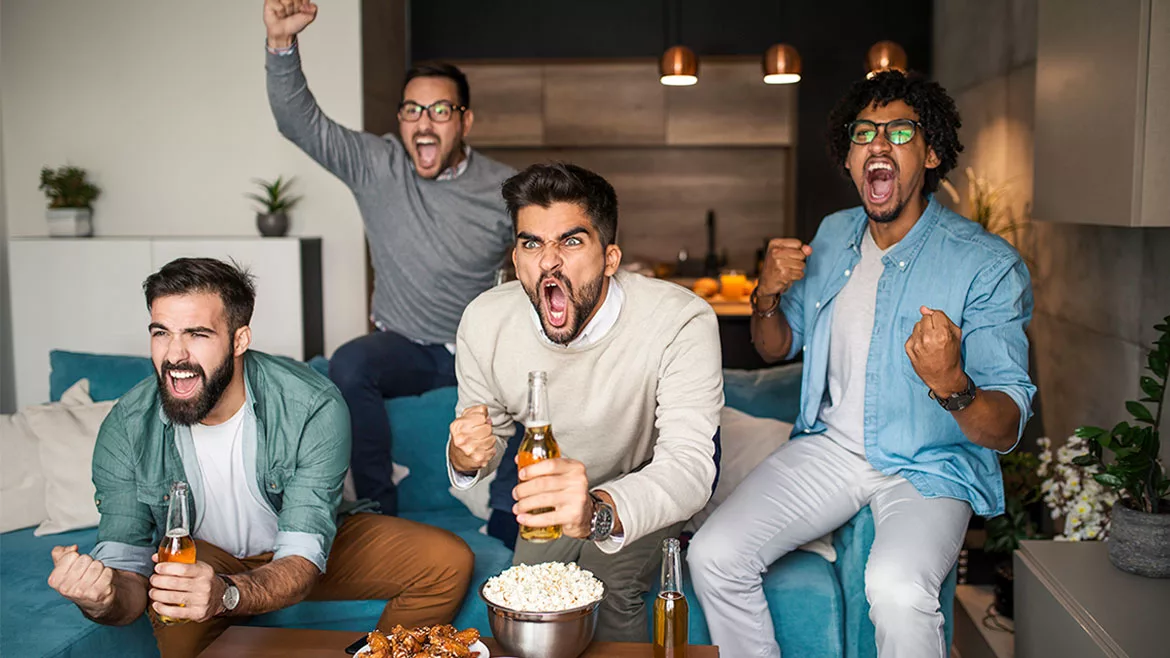
Last year, an estimated 127.7 million viewers tuned in for Super Bowl LIX on Sunday, February 9, according to Nielsen data. The sporting event was broadcast aired on FOX, FOX Deportes and Telemundo and streamed on Tubi.
Given this viewership, it’s understandable why brands are willing to pay the hefty price tag to advertise. A recent Bloomberg article by Hannah Miller titled “Super Bowl ad rates hit 10 million for 30-second spot, NBC says” notes that Super Bowl commercials have reached as much as $10 million for the broadcast, which will air Feb. 8 on NBC. In the article, Mark Marshall, head of global advertising at NBCUniversal, noted that the average price for a 30-second ad is $8 million.
Yet, because not everyone can afford this price range, brands that still want to be part of the marketing power associated with the sporting event don’t need to be left out of the mix. Bret Werner, president at MikeWorldWide, in an interview with Beverage Industry offers insights into what opportunities brands can utilize.
Beverage Industry (BI): The lead-up to the Super Bowl places a lot of attention on food and beverage brands. For brands that are not purchasing ads during the game, how can they still stand out without that ad slot?
Bret Werner (BW): One of the biggest misnomers around the Super Bowl is that if you’re not running a 30 during the game, you can’t meaningfully participate. That simply isn’t true. Content, public relations, and authentic athlete or celebrity partnerships allow brands to have a disruptive voice without buying airtime. The Super Bowl marketing game is often won before kickoff. With more than 5,000 journalists, creators and media outlets on the ground — spanning sports, food, business and pop culture — the event is a cultural crossroads, not just a football game. Brands that understand this can insert themselves into the broader conversation through smart storytelling. Former and current NFL players, coaches connected to the teams, and credible football voices can help fuel discussion during the critical window when consumers are making their Super Bowl food and beverage purchase decisions. Also, brands that think unconventionally will win. Drake Maye's wife, Anne Michael Maye, has gained popularity for her cooking videos on TikTok and her kitchen skills. You don’t need a commercial to earn attention — you need relevance and access.
BI: There are staple beverage categories commonly associated with the big game. For brands outside of those categories, what strategies can they use to avoid being left behind?
BW: We launched the MWW Fan Connection Pulse in December, and one insight was clear: even some traditional CPG and beverage categories are losing traction with sports fans if they don’t evolve their presence. Timing matters as much as category. The bye week, for example, is an underutilized opportunity. There’s no game action, but there is enormous media demand. That creates a window for brands — especially those outside traditional “game day” categories — to shape narratives and drive conversation before the noise peaks. Early Super Bowl week is equally critical. Tuesday and Wednesday are when journalists, podcasters, and broadcasters are most open to stories and interviews. By Thursday and Friday, competition becomes fierce and access narrows. Brands should also think beyond active players. And don’t overlook your own C-suite. Consumers and media alike want insight into what will be consumed — from both a B2C and B2B perspective. When CEOs and CMOs can speak credibly about sports, culture and consumer behavior, it reinforces leadership and relevance.
BI: Advertising around the Super Bowl has evolved beyond the traditional TV commercial. What are some ways brands can engage consumers before, during, and after the event?
BW: Even Super Bowl commercials themselves are now launched digitally before they ever air on television. That shift underscores a broader truth: the Super Bowl is no longer a single moment — it’s a multi-week content cycle. Before the game, brands should focus on earned media, social-first storytelling, influencer partnerships and experiential moments that generate conversation. For beverage brands, that often means tying into real consumption moments, including what people are drinking while they shop, host and watch, not just what’s happening on the field. During the game, real-time engagement — whether through social, second-screen activations, or live commentary — keeps brands part of the cultural dialogue. After the game, the smartest brands extend the life of their investment by reacting to outcomes, moments and memes while reinforcing their core message. The goal isn’t just visibility — it’s sustained relevance across platforms where consumers already are.
BI: For legacy brands advertising during the Super Bowl, what benefits and challenges come with those expectations?
BW: For legacy brands, the Super Bowl is both an opportunity and a pressure test. The benefit is obvious: unmatched reach, cultural relevance and the chance to remind consumers why the brand matters. But with that comes enormous expectation. Audiences don’t just want spectacle anymore — they want authenticity, humor or a point of view that reflects the moment. Legacy brands are often judged more harshly because consumers expect them to “get it right.” That means aligning creative with brand truth, launching early enough to build momentum, and having a plan beyond the ad itself.
Looking for a reprint of this article?
From high-res PDFs to custom plaques, order your copy today!