2026 Beer Market Report: Declines impact FMBs, hard seltzer’s performance
March 3, 2026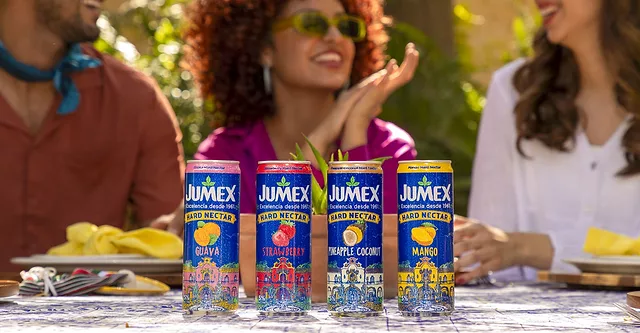
2026 Beer Market Report: Declines impact FMBs, hard seltzer’s performance
March 3, 2026
After years of growth, the flavored malt beverage (FMB) market moved into declines. The other flavor-focused segment, beer centric hard seltzers, also continued to experience contraction.
“FMB’s and hard malt-based seltzer together declined in the 6% to 7% range in 2025 as RTDs continue to capture a greater share of the alternative adult beverage market,” says Brian Sudano, CEO at S&D Insights LLC, Norwalk, Conn.
According to Chicago-based Circana, FMB sales totaled $4.6 billion, a decrease of 3.6%, in total U.S. multi-outlets, grocery, drug, mass merchandisers, convenience, military, and select club and dollar retailers for the 52 weeks ending Dec. 28, 2025. Case sales were down 5.9% during that time as well. Meanwhile, beer seltzer centric saw sales decline 4.2%, totaling $3 billion. Case sales were down 6.9% during the time frame.
Despite the overall declines for the segments, analysts note some bright spots to take notice of.
“While FMBs were down 3.6%, we saw growth in top brands Smirnoff (plus 3.1%), Mike’s Harder ([plus] 0.2%), and Cayman Jack (plus 6.5%),” says Christal Torres, senior manager II of client insights at Circana. “Hard seltzers were down 4.2%, but we saw some growth in top brands White Claw Hard Seltzers (plus 0.8%) and Happy Dad Hard Seltzers (plus 17.3%). Hard tea was down 5.1% but remains dominated by Twisted Tea (minus 5.8%).”
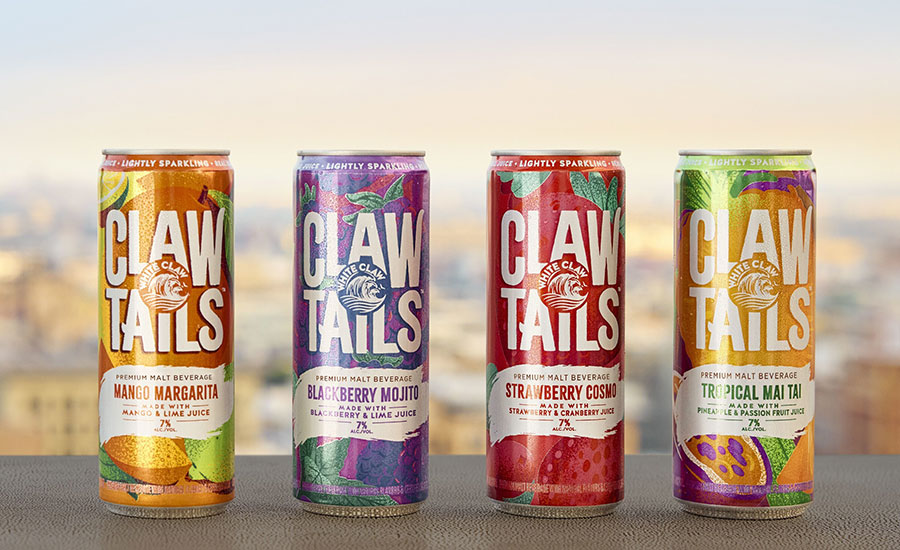
S&D Insights’ Sudano notes that for hard seltzers, the deceleration of category leader White Claws decline, serves as positive sign, but remains cautious about FMBs performance.
“Hard seltzer declines moderated throughout the year as White Claw stabilized and began to grow again at the end of 2025,” he says. “Other FMB segments remained under pressure as spirit RTDs expanded into their space such as teas, lemonades and tequila-inspired cocktails, while Cayman Jack bucked the trend to growth in [the] tequila-flavored FMB space. Although smaller, Clubtails cocktails malt-based drinks also experienced growth in the FMB space.”
Noting that hard seltzers hit its peak approximately three years ago, while FMBs likely hit their peak last year, Kaleigh Theriault, beverage alcohol thought leader at NielsenIQ (NIQ), Chicago, explains that brands now are in a position of figuring out how to capture their “portion of the pie” given the state of declines.
Looking for a reprint of this article?
From high-res PDFs to custom plaques, order your copy today!
“It was really easy for everybody to grow when hard seltzers were booming, but now that everything's sort of contracting, there’s definitely changes in share of the pie there that are happening,” she says.
Theriault explains that malt-based, but hard cocktail-inspired products have found success in channels where spirit-based ready-to-drink (RTD) products cannot be sold. She also notes that hard juices are carving out a spot in the segment. Additionally, leaning into better-for-you trends can fill a niche in beverage alcohol.
“[T]here are other brands that have emerged that focus more on the better-for-you hard tea space, so lower calories, they might not have carbonation, they might have carbonation,” Theriault says. “That's one of those competing trends in the industry I think too, and then really just like no added sugars and things like that. So that better for you positioning has fared well for some of those.”
S&D Insights’ Sudano also notes that “active lifestyle brands (lower calorie/no sugar) and cocktail inspired flavors along with higher ABV” are influencing the segments.
Because FMBs and malt-based seltzers are led by flavors, manufacturers have embraced fruit profiles.
“Fruit-forward flavors like blueberry, peach, grape, etc. continue to lead the market as driven by White Claw sales, but we also continue to see Margaritas and tropical flavors increase as driven by the rise of Jumex Hard Nectar Variety Pack (plus 652.1%), Topo Chico Hard Margarita Variety Pack (new, plus $12.1 million), Cayman Jack Strawberry Margarita (plus 60.3%) and Simply Spiked Tropical Variety Pack (new, plus $11million),” Circana’s Torres says.
“Although FMBs and hard seltzers experienced overall decline in 2025, the value proposition of RTD alcoholic beverages remains strong due to demand for high ABV and convenience driving innovation in this segment.”
NIQ’s Theriault also harkens to the impact of flavors, but expects differentiated flavors will lead innovation success stories going forward.
“I think some differentiated flavors are where some brands are finding their success, whether it’s a combination of a couple flavors or some brands getting into the more like sweet and spicy flavors,” she explains. “So, it might be a trying … a spicy mango or a hot mango or some type of combination like that. And, then those cocktail inspired flavors are also popping up.”
However, Theriault still expects FMBs and hard seltzer to face an uphill battle this year, but will see some emerging segments aid the segments.
“Couple of trends that I think are already emerging with launches that happened last year but not making like a big splash are things I would classify them as a hard refresher,” she says.
Hard refreshers are alcohol products that lean into better-for-you attributes with additions like sea salt or coconut water bases, Theriault says.
S&D Insights adds that with category leaders rebounding in hard seltzer the segment looks to be stabilizing, but FMBs might not fare as well.
“Due to White Claw representing 70% of malt hard seltzers and re-entering growth trajectory, we project malt hard seltzer overall to grow modestly, while FMB continues to decline but at a more moderate rate resulting in total malt hard seltzer/FMB to be flattish in 2026,” he says.
Despite these challenges Circana’s Torres explains these segments, they still addressed key consumer needs states with beverage alcohol.
“Although FMBs and hard seltzers experienced overall decline in 2025, the value proposition of RTD alcoholic beverages remains strong due to demand for high ABV and convenience driving innovation in this segment,” she says.
Return to 2026 Beer Market Index