Fortification trends have wide-reaching impact on beverage categories
Consumer expectations of better-for-you beverages evolve

Although minimalism can involve removing unnecessary items as one way to declutter, adding necessary items to a space can be considered a more proactive approach. When it comes to the beverage space, fortification trends are driving innovation by adding ingredients to formulations to meet demand for “better-for-you” beverages, experts note.
“‘Better-for-you’ used to only mean taking something out. Whether that be less sugar, fewer calories or just overall cleaner labels. But now, it’s increasingly about what’s being added to formulations to make them functional or more beneficial,” says Maria Stanieich, senior marketing manager at Kyowa Hakko USA, New York. “Consumers are treating beverages almost like daily wellness rituals, and that’s changing how brands approach fortification.”
Emily Berg, marketing manager for beverages at Cargill, Minneapolis, echoes similar sentiments.
“Sugar reduction has been a big part of the conversation for years, but today’s consumers are looking for more than just ‘less,’” she says. “Increasingly, they also want ‘more’— more benefits, more nutrition, more purpose. It’s not just about what’s been removed, it’s also about what’s being added.”
Niki Kennedy, director of insights and content for Chicago-based Glanbia Nutritionals, says that the balance of indulgence and functionality now is “table stakes” for consumers, regardless of the beverage category.
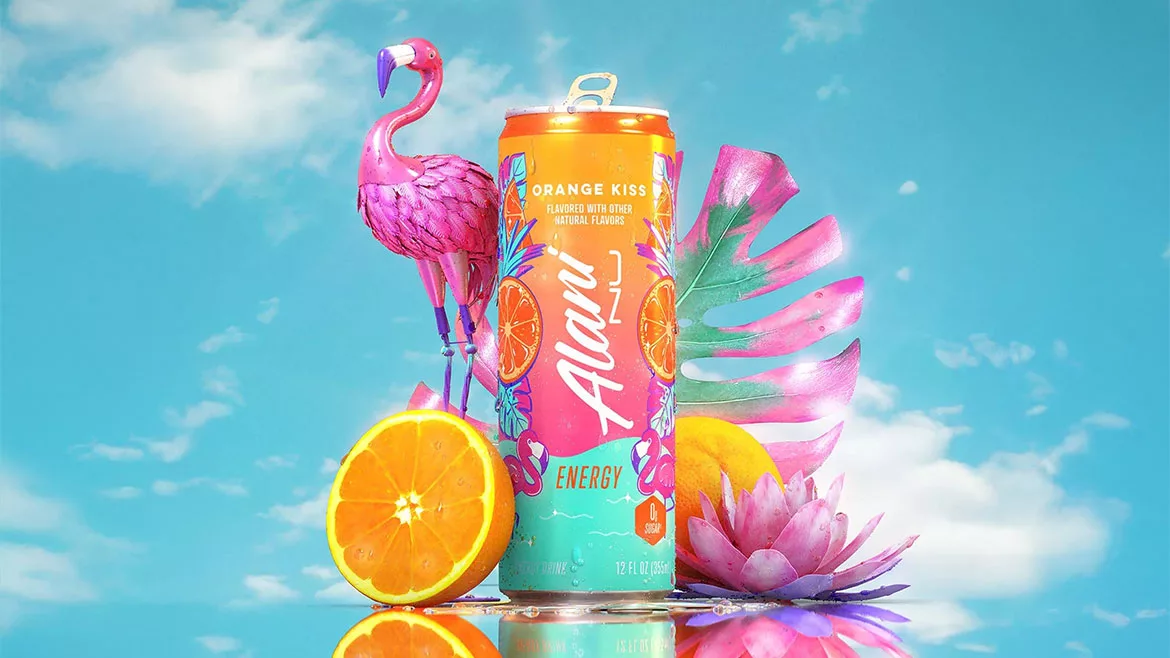
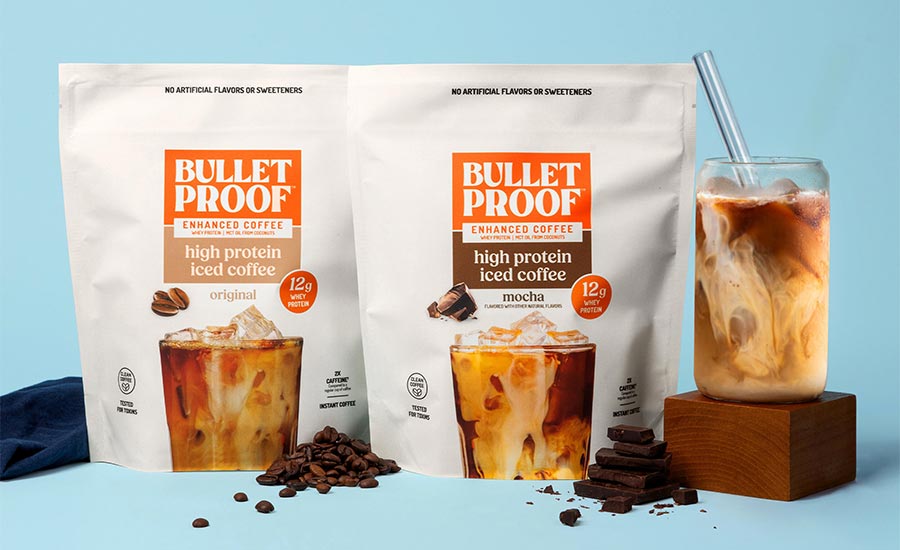
“We see two major drivers: better-for-you beverages in everyday routines and the proliferation of active nutrition,” she says. “One great example of this is what we have seen happen in the growth of fortified sodas and coffee. Sodas and coffee traditionally have been sources of energy across the consumer spectrum, but the latest developments in better-for-you beverages are enabling people to drink their way to better health by fortifying the beverages that are already a part of their everyday routine.”
As far as other consumer trends driving beverage fortification, Kennedy notes that consumers want to improve their health in simple, convenient ways.
“Fortifying beverages that are already a part of their routines, like hydration drinks, sodas and coffee is a highly appealing path toward filling common nutrient gaps,” she explains. “Trends driving the market include daily consumption, flavor innovation and overall desire for healthier beverages especially among younger cohorts.”
Cargill’s Berg points out how the use of GLP-1 medications are influencing consumers’ consumption patterns and driving demand for products that help manage side effects like muscle loss and digestive changes.
“That’s fueling even stronger interest in protein and fiber,” Berg says. “Beverage manufacturers can capitalize on this shift by fortifying drinks with these ingredients, using GLP-1 adoption as a strategic tailwind.
“Expectations are changing, too,” she continues. “Consumers’ definition of ‘better-for-you’ now includes mental and emotional well-being. We see the pull for products that deliver on this with the flurry of new products on the market with ingredients like l-theanine, ashwagandha and lion’s mane for their perceived ability to support focus, mood and stress relief.”
What’s in demand
With fortification trends evolving, experts highlight how beverage-makers are meeting these shifts through new product innovations.
“Beverage-makers are introducing functional hydration beverages, both RTMs and RTDs, clear protein waters and sodas, beverages built around creatine, among other innovations,” Glanbia's Kennedy says. “We also see emerging opportunity in beverages positioned, or repositioned, to appeal to consumers currently using or transitioning from anti-obesity medications.”
Kennedy adds that proteins, creatine and electrolytes are among the most in demand.
Rama Sarangapani, senior food scientist at Cargill, considers protein to be highly sought-after for beverage fortification.
“Once limited to sports nutrition, protein now shows up everywhere, from flavored waters to RTD coffees,” he says. “And inclusion levels in some applications are reaching 30-40 grams per serving. Advances in protein technology are enabling this growth. On the plant-based side, ingredients like PURIS 2.0 pea protein offer superior solubility and taste, allowing for higher inclusion levels without compromising quality.
“Options like PURIS HiLo make it possible to add pea protein to acidic beverages like juices,” Sarangapani continues. “Clear proteins are the latest to the scene. PURIS ClearP hydrolyzed pea protein features improved clarity, good solubility, high acid stability and up to 90% protein content. With these advances, there’s so much more on the table for beverage manufacturers.”
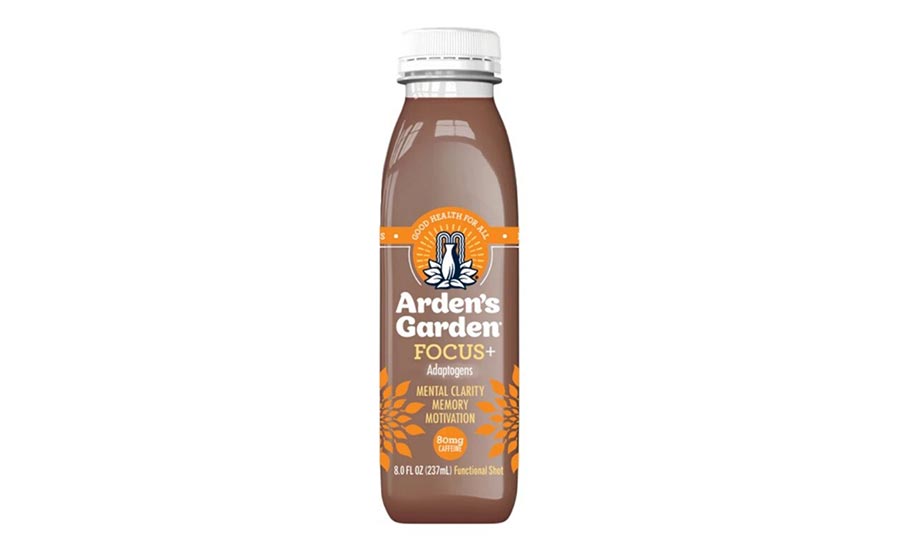
Kyowa Hakko’s Stanieich says that, beyond protein, ingredients for cognitive support are “big.”
“People want to stay focused and alert throughout the day, and that takes more than just a quick jolt from caffeine,” she explains. “That’s why ingredients like Cognizin are gaining attention. It works effectively on its own to support sustained focus and mental energy, but it also stacks well with caffeine, giving brands flexibility to integrate it into a variety of products — whether a standalone cognitive beverage or one designed to complement the effects of caffeine.”
Vaughn DuBow, senior director of product portfolio marketing and health and wellness at ADM, Chicago, notes that given consumer interest in digestive health beverages, formulators are turning to prebiotics, probiotics and postbiotics to formulate digestive and gut health-supporting products.
DuBow points to ADM/Matsutani’s prebiotic soluble dietary fiber, Fibersol, as being backed by more than 30 years of research, with clinical studies showing that it promotes the growth of gut microbes positively associated with health.
“Fibersol may help nourish the intestinal flora and support a healthy intestinal tract environment,” he says. “At the same time, Fibersol may delay hunger, stimulate appetite regulating hormones and may increase satiety perception, attributes that are top of mind for consumers taking anti-obesity medications (AOMs), especially those that have recently transitioned off the medications.”
DuBow also points to protein as continuing to be a top macronutrient consumers seek.
“Rising in popularity for plant protein incorporation are smoothies, juices, sparkling waters, carbonated soft drinks (CSDs) and energy drinks, especially as we see a blurring of lines between different beverage segments offering benefits traditionally only seen in one or two categories,” he explains. “ADM’s vast pantry of plant-based ingredients and systems includes clean-tasting, highly functional soy, pea, and wheat proteins.
“Our soy protein concentrates and isolates offer different protein concentrations and functionalities, delivering the versatility needed to build a wide range of plant-based functional beverage formats,” DuBow continues. “Our pea and wheat proteins also provide non-GMO options and support textural attributes while having minimal impact on a finished product’s taste.”
The challenges
Although beverage-makers have a plethora of ingredients to work with to fortify beverages, working with such ingredients is not without its challenges, experts note.
“One of the biggest challenges when fortifying beverages is making sure ingredients play well together,” Kyowa Hakko’s Stanieich says. “Some nutrients or active ingredients can negatively interact with one another, change the pH of the formulation, or affect shelf life. So, when you’re selecting ingredients, it’s not just about what benefits they provide, but how they behave in the formula over time.”
Stanieich adds that flavor “obviously” is a crucial component of formulation strategy that can make or break consumer adoption.
“People want functional beverages to taste like any other beverage they enjoy on a regular basis — they want it to taste good,” she says. “Some ingredients can bring bitterness, off-notes, or even a chalky mouthfeel to the end-product that can deter repeat purchases.
“Cognizin, for example, is tasteless, odorless, fully water soluble, and stable in high heat,” Stanieich continues. “Ingredients like this make your formulation process that much easier because you aren’t having to jump over the common hurdles that can prevent you from making the product you want to make.”
Cargill’s Sarangapani considers taste to be the “ultimate gatekeeper” in formulations.
“Many health-forward ingredients introduce bitterness, astringency, metallic notes or earthy undertones. Whether it’s flavor compatibility or the ingredient’s intrinsic taste, there’s no margin for error,” he says. “If the beverage doesn’t taste good, consumers won’t be back.
“For example, l-theanine is gaining popularity thanks to its association with mental clarity, but it brings bitterness and astringency,” Sarangapani continues. “Depending on the concentration used, it can be hard to mask the aftertaste, and it’s hard to find flavors that work well and provide a good sensory experience. Similar issues arise with caffeine, which can have lingering bitterness and astringency, and mushroom extracts, which may introduce significant challenges around taste and aroma.”
Sarangapani notes that Cargill’s EverSweet stevia sweetener + ClearFlo’s natural flavor delivers clean, sugar-like sweetness, while helping mask off-notes from plant-proteins, caffeine, vitamins and minerals, and other functional ingredients.
“A big reason we developed EverSweet + ClearFlo was to help customers address these difficult taste challenges,” he says.
ADM’s DuBow explains that, in general, beverages undergo tough formulation environments, which can impact the efficacy of certain ingredients, including plant proteins, biotics and fiber, causing them to potentially degrade over time or affect the overall sensory experience in finished products.
“Some prebiotic fibers can impact taste, aroma and texture, making it crucial for beverage brands to select ingredients that minimize sensory issues,” DuBow says. “With its high solubility, low viscosity and clarity, heat-, acid-, shear-, freeze- and thaw-stability, Fibersol is an incredibly versatile solution, supporting fiber-fortified product innovations.
“We can further help beverage brands build efficacious offerings by integrating resilient postbiotics, such as our ES1 postbiotic, into their formulations,” he continues. “Similar to postbiotics, spore-forming probiotics like DE111, can also withstand harsh formulation environments that may otherwise damage conventional probiotics.”
Devendra Soman, marketing director for Princeton Junction, N.J.-based NuAxon Bioscience Inc., notes that electrolytes, B vitamins, biotics, and botanicals are all popular for functional beverages, however; she says that most of today’s enzymes, vitamins and peptides are concentrated to such high purity that the body doesn’t recognize them as essential or beneficial compounds.
“In fact, most of what’s in a multivitamin is excreted from the body,” Soman explains. “At NuAxon, we’re conducting research to determine if highly bioavailable botanical extracts can support the body’s absorption of less bioavailable nutraceuticals if combined in single applications, which could reignite the botanicals industry and lead to more efficacious supplements and functional foods and beverages for consumers.”
Looking ahead
As consumers become increasingly proactive about their physical and mental health, experts anticipate what the future holds for fortified beverages.
“A newer functional beverage on the rise is the wellness beverage, which might contain l-theanine for calming and adaptogenic mushrooms that can help the body cope with stress,” Glanbia’s Kennedy says. “Beauty beverages with functional ingredients such as collagen and antioxidants is another functional beverage trend to watch. These support beauty from within by nourishing the skin, hair and nails.”
Further, Kennedy notes that nootropic beverages that aim to boost cognitive function, with a particular emphasis on focus and memory are on the rise.
“Nootropics make up a broad category of ingredients that range from phosphatidylserine to grape seed extract,” she says. “Functional ingredients can be added to almost any type of beverage to turn it into a functional beverage.”
Kyowa Hakko’s Stanieich notes that with consumers’ focus on wellness comes an overwhelming demand for functional benefits and the importance of clinical data — all pointing toward continued experimentation and growth.
“Ingredients that can move across different beverage formats and categories are the ones that let you stay agile, allowing you to adapt when even something as simple as a flavor trend prompts changes in your product lineup,” she says. “If you have that level of versatility, you’re going to experience fewer problems and get to market faster than your competition.”
Cargill’s Berg anticipates advancements in the sensory experience of functional beverages as ingredient and formulation technologies evolve.
“Looking forward, fortified beverages will become more nuanced and lifestyle aligned,” she says. “Formulation is no longer a numbers game. Simply hitting 10 grams of protein won’t be enough. Brands will need to differentiate, whether that’s through benefit stacking, personalization, or a label-friendly story that resonates.
“The winners will be those who can deliver products that seamlessly integrate into daily routines, while offering elevated taste and meaningful functionality,” Berg concludes.
Looking for a reprint of this article?
From high-res PDFs to custom plaques, order your copy today!