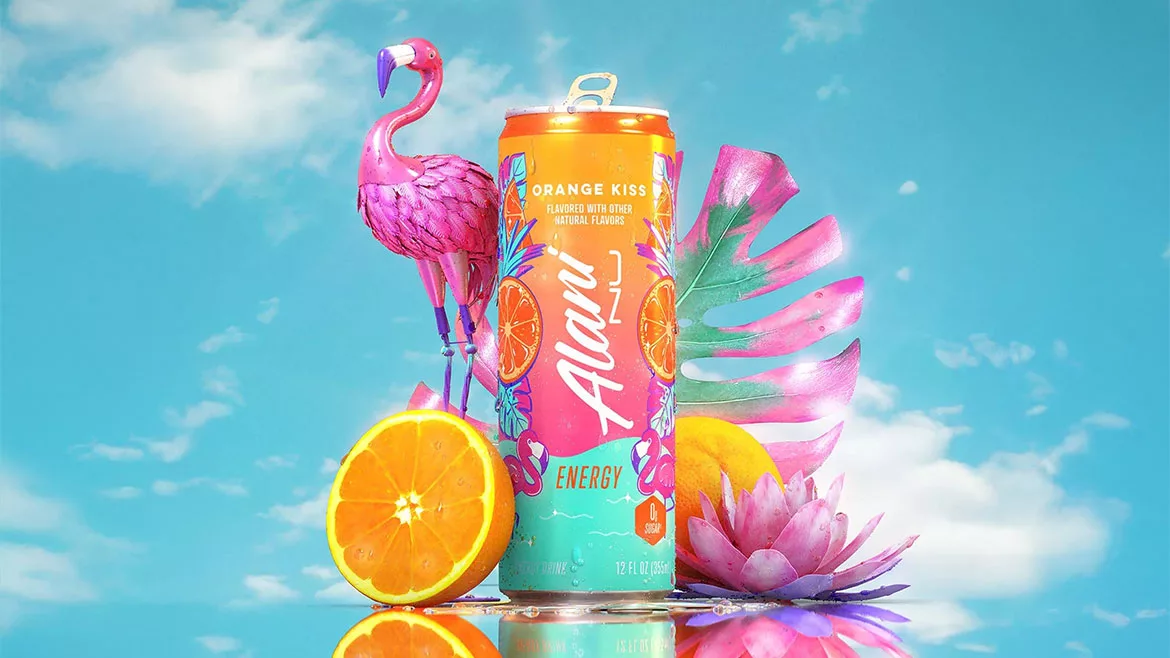
Citrus varietals add new dynamic to beverages
Formulators receive increasing requests for varietal-specific flavors
When it comes to fashion, the saying “What’s old is new again” can be used quite frequently. And when it comes to beverage formulation, that same adage still applies. According to Beverage Industry’s 2012 New Product Development Survey published in January, many traditional flavors were among the top flavors used in 2012 with three popular citrus fruits landing in the Top 10. As the No. 3 top flavor, lemon was used by 49 percent of respondents. Coming in at No. 8 and No. 9, orange and lime were utilized by 46 and 43 percent of respondents, respectively.
“The market for citrus continues to demonstrate growth; we believe that to be primarily due to consumer preferences for natural flavors or natural products, and citrus, in particular, does well with that underlined preference due to the versatility of citrus and its wide user acceptance across cultures,” says Douglas Rash, vice president of global sales for Treatt, Lakeland, Fla.
Orange is the most widely requested of the citrus flavors, Rash notes. However, lemon and lime have demonstrated growth, with lime showing the strongest increase in requests, he says.
Eric Spenske, marketing director of beverages at Givaudan Flavors Corp., Cincinnati, also notes that lime has seen an upswing lately. “Lime is a great way to brighten a flavor while connecting with greater demographics, such as Hispanics,” he says. “Lime is the combo flavor: cherry lime, blueberry lime, Margarita lime. The list is long.”
Variety and versatility
Additionally, beverage manufacturers are finding ways to bring new life to citrus ingredients and flavors. One way is through the use of specific varietals.
“We have seen an increase in requests coming in for more specific varietal-type citrus flavors including lime, tangerine, mandarin, clementine and yuzu,” says Altalee Dixon, senior flavor evaluator of the beverage creations flavor library for Kerry Ingredients & Flavors – Americas, Beloit, Wis. “Out of these types, lime and tangerine are the most requested.”
Cassandra Kaul, market analyst for Kerry, says that the company has been analyzing trends that could be fueling the varietals’ popularity.
“The growth of the locavore trend is helping drive consumer demand for varietals,” she says. “Consumers want to feel connected to their food and beverages, and they want to know where it came from. This comes from a health and nutrition perspective where consumers see a local product as healthy. Consumers are also getting more adventurous in their flavor choices, and selecting a citrus varietal allows experimentation within a pallet of flavors that is still familiar to them.
“When we look at the premiumization of products, varietal flavors have the ability to make a product seem more premium and upscale,” Kaul continues. “Take, for example, blood orange, which is becoming quite popular. It transforms a soda from orange soda to a blood orange soda. Consumers associate that callout as a sign of premium quality and flavor and are willing to pay more for that product. We see this with other trendy varietals such as Meyer lemon, rangpur lime, kaffir lime and Valencia orange, to name a few.”
Recognizing the appeal of varietals when it comes to citrus, Treatt’s Rash adds that location also could be an emerging opportunity.
“We see a trend toward provenance, for example, allowing a customer to identify the origin of a product being sourced,” he says. “So instead of just saying orange, we’re seeing people wanting to say Florida orange, or if it’s lemon, Sicilian lemon, so they’re able to trace this product.”
Rash adds that this specificity also could help to sell the story of the products’ origin, detailing a “field-to-fork” association.
Although citrus flavors and ingredients have long been able to stand on their own, beverage manufacturers also are finding a benefit in utilizing citrus flavors for blended combinations.
“Based on the requests Flavor Dynamics receives regularly, we see more creative combinations of citrus, superfruits and spice in the marketplace,” says Colleen Roberts, director of sales for the South Plainfield, N.J.-based company.
Among the company’s expansive list of sweet flavors, Flavor Dynamics’ citrus offerings include Orange Brandy, Orange Crème and Orange Spice flavors.
Givaudan’s Spenske also notes the popularity of blending citrus with tropical fruits and flavors. “Juice drinks, flavored/enhanced waters, sports drinks and flavored alcoholic beverages tend to often feature citrus in combination with berry and tropical flavors,” he says. “Lemon and lime are most often used with berry flavors like cherry, blackberry, cranberry, etc., and orange is most often used with tropical flavors like mango, pineapple and passion fruit.”
However, Givaudan recently developed a process in which it can deliver high-impact citrus flavors in a clear, non-cloud-based system, which could increase the use of citrus flavors as a standalone in clear delivery systems like flavored water, Spenske says.
And because of citrus’ wide use and desire on a global basis, it can offer an undernote in blend applications, Treatt’s Rash explains.
“As far as being combined with other [flavors], citrus provides a nice backdrop,” he says. “If you were going to launch a tropical flavor, for example, which you see very typically in the United States, … a guava or a passion fruit or an acai, a lot of the time product manufacturers will use a citrus backnote and then put the tropical [flavor] on top of it basically because it becomes more of a shoulder product where the consumer identifies the orange, the lemon in the background, and it’s more of a low-risk proposal than trying to sell passion fruit or guava on its own, which a lot of customers might not recognize or might not appreciate.”
Coping with challenges
Although blending citrus ingredients with other non-citrus ones can offer new, unique flavor profiles, the concept also has practical formulation reasoning behind it.
“There is probably a benefit to using citrus ingredients in a blend to mitigate the risks associated with a volatile market,” says Martin von Paleske, commercial director for Riverview, Fla.-based Cvista. “There [has been] no stability in the orange oil market in the last few years. We have seen some very low prices and some record high prices for orange oil in the past few years.”
Von Paleske adds that grapefruit and lemon oils also have dealt with some instability in the last decade due to supply and price. Citrus greening, a bacteria disease that turns fruit green after ripening, according to the U.S. Department of Agriculture, has impacted citrus crops in Florida, Mexico and Brazil, he says.
“The crops in Florida and Brazil are getting smaller,” von Paleske says. “Also, as the crops get smaller, a much larger percentage of juice is [used] to make [not from concentrate] rather than concentrate. This means the amount of orange essence oil … available is getting smaller. Agricultural residues have also become a big topic driven by some of the big beverage companies.”
Understanding the volatility of the citrus market, Givaudan uses proprietary technology to create a variety of cost-effective citrus flavors that are less sensitive to the ebbs and flows of the citrus commodity market, Spenske says.
Flavor Dynamics’ Roberts also notes that solubility, separation and oxidation are challenges that beverage manufacturers should consider when formulating with citrus oils.
When it comes to fashion, the saying “What’s old is new again” can be used quite frequently. And when it comes to beverage formulation, that same adage still applies. According to Beverage Industry’s 2012 New Product Development Survey published in January, many traditional flavors were among the top flavors used in 2012 with three popular citrus fruits landing in the Top 10. As the No. 3 top flavor, lemon was used by 49 percent of respondents. Coming in at No. 8 and
No. 9, orange and lime were utilized by 46 and 43 percent of respondents, respectively.
“The market for citrus continues to demonstrate growth; we believe that to be primarily due to consumer preferences for natural flavors or natural products, and citrus, in particular, does well with that underlined preference due to the versatility of citrus and its wide user acceptance across cultures,” says Douglas Rash, vice president of global sales for Treatt, Lakeland, Fla.
Orange is the most widely requested of the citrus flavors, Rash notes. However, lemon and lime have demonstrated growth, with lime showing the strongest increase in requests, he says.
Eric Spenske, marketing director of beverages at Givaudan Flavors Corp., Cincinnati, also notes that lime has seen an upswing lately. “Lime is a great way to brighten a flavor while connecting with greater demographics, such as Hispanics,” he says. “Lime is the combo flavor: cherry lime, blueberry lime, Margarita lime. The list is long.”
Variety and versatility
Additionally, beverage manufacturers are finding ways to bring new life to citrus ingredients and flavors. One way is through the use of specific varietals.
“We have seen an increase in requests coming in for more specific varietal-type citrus flavors including lime, tangerine, mandarin, clementine and yuzu,” says Altalee Dixon, senior flavor evaluator of the beverage creations flavor library for Kerry Ingredients & Flavors – Americas, Beloit, Wis. “Out of these types, lime and tangerine are the most requested.”
Cassandra Kaul, market analyst for Kerry, says that the company has been analyzing trends that could be fueling the varietals’ popularity.
“The growth of the locavore trend is helping drive consumer demand for varietals,” she says. “Consumers want to feel connected to their food and beverages, and they want to know where it came from. This comes from a health and nutrition perspective where consumers see a local product as healthy. Consumers are also getting more adventurous in their flavor choices, and selecting a citrus varietal allows experimentation within a pallet of flavors that is still familiar to them.
“When we look at the premiumization of products, varietal flavors have the ability to make a product seem more premium and upscale,” Kaul continues. “Take, for example, blood orange, which is becoming quite popular. It transforms a soda from orange soda to a blood orange soda. Consumers associate that callout as a sign of premium quality and flavor and are willing to pay more for that product. We see this with other trendy varietals such as Meyer lemon, rangpur lime, kaffir lime and Valencia orange, to name a few.”
Recognizing the appeal of varietals when it comes to citrus, Treatt’s Rash adds that location also could be an emerging opportunity.
“We see a trend toward provenance, for example, allowing a customer to identify the origin of a product being sourced,” he says. “So instead of just saying orange, we’re seeing people wanting to say Florida orange, or if it’s lemon, Sicilian lemon, so they’re able to trace this product.”
Rash adds that this specificity also could help to sell the story of the products’ origin, detailing a “field-to-fork” association.
Although citrus flavors and ingredients have long been able to stand on their own, beverage manufacturers also are finding a benefit in utilizing citrus flavors for blended combinations.
“Based on the requests Flavor Dynamics receives regularly, we see more creative combinations of citrus, superfruits and spice in the marketplace,” says Colleen Roberts, director of sales for the South Plainfield, N.J.-based company.
Among the company’s expansive list of sweet flavors, Flavor Dynamics’ citrus offerings include Orange Brandy, Orange Crème and Orange Spice flavors.
Givaudan’s Spenske also notes the popularity of blending citrus with tropical fruits and flavors. “Juice drinks, flavored/enhanced waters, sports drinks and flavored alcoholic beverages tend to often feature citrus in combination with berry and tropical flavors,” he says. “Lemon and lime are most often used with berry flavors like cherry, blackberry, cranberry, etc., and orange is most often used with tropical flavors like mango, pineapple and passion fruit.”
However, Givaudan recently developed a process in which it can deliver high-impact citrus flavors in a clear, non-cloud-based system, which could increase the use of citrus flavors as a standalone in clear delivery systems like flavored water, Spenske says.
And because of citrus’ wide use and desire on a global basis, it can offer an undernote in blend applications, Treatt’s Rash explains.
“As far as being combined with other [flavors], citrus provides a nice backdrop,” he says. “If you were going to launch a tropical flavor, for example, which you see very typically in the United States, … a guava or a passion fruit or an acai, a lot of the time product manufacturers will use a citrus backnote and then put the tropical [flavor] on top of it basically because it becomes more of a shoulder product where the consumer identifies the orange, the lemon in the background, and it’s more of a low-risk proposal than trying to sell passion fruit or guava on its own, which a lot of customers might not recognize or might not appreciate.”
Coping with challenges
Although blending citrus ingredients with other non-citrus ones can offer new, unique flavor profiles, the concept also has practical formulation reasoning behind it.
“There is probably a benefit to using citrus ingredients in a blend to mitigate the risks associated with a volatile market,” says Martin von Paleske, commercial director for Riverview, Fla.-based Cvista. “There [has been] no stability in the orange oil market in the last few years. We have seen some very low prices and some record high prices for orange oil in the past few years.”
Von Paleske adds that grapefruit and lemon oils also have dealt with some instability in the last decade due to supply and price. Citrus greening, a bacteria disease that turns fruit green after ripening, according to the U.S. Department of Agriculture, has impacted citrus crops in Florida, Mexico and Brazil, he says.
“The crops in Florida and Brazil are getting smaller,” von Paleske says. “Also, as the crops get smaller, a much larger percentage of juice is [used] to make [not from concentrate] rather than concentrate. This means the amount of orange essence oil … available is getting smaller. Agricultural residues have also become a big topic driven by some of the big beverage companies.”
Understanding the volatility of the citrus market, Givaudan uses proprietary technology to create a variety of cost-effective citrus flavors that are less sensitive to the ebbs and flows of the citrus commodity market, Spenske says.
Flavor Dynamics’ Roberts also notes that solubility, separation and oxidation are challenges that beverage manufacturers should consider when formulating with citrus oils.Looking for a reprint of this article?
From high-res PDFs to custom plaques, order your copy today!