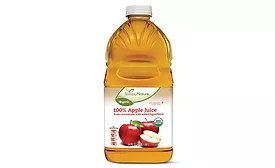
Companies identify new regulations as a top concern
According to the 2016 annual “U.S. Food & Beverage Industry Study,” released by New York-based WeiserMazars LLP, most food and beverage companies anticipate a significant increase in sales this year.
Between 2010 and 2015, high unemployment, stagnant disposable income, volatile energy costs and a changing mass-market perception of dollar stores contributed to a 3.3 percent growth rate, $66.7 billion in revenue and a $2.6 billion profit for the channel, according to IBISWorld’s September 2015 report titled “Dollar & Variety Stores in the US.”
Price often plays a role for consumers when choosing a beverage brand, and many budget-conscious consumers seek out private-label brands for their value based on cost and quality.
Americans' consumption of water has increased by more than 68 million 8-ounce servings in less than a year, according to research conducted by the Natural Marketing Institute (NMI), Harleysville, Pa.
Davidson’s Organics, Sparks, Nev., announced it is expanding its private-label beverage program because of popular demand. The program, which offers custom tea bags, bulk teas and iced teas, now will offer wider capabilities through the company’s investment in new machinery as well as its NSF International certification.
During the recession, the countercyclical discount retail channel experienced years of growth, even to the point of becoming one of the fastest-growing retail channels during the time period, according to “Dollar & Variety Stores in the US,” an April 2014 report by IBISWorld.
National brands showing momentum in drug stores; private label standing out in mass/supercenter channel
During the recession, private-label products enjoyed increasing popularity as consumers looked for new ways to save on everyday purchases during the economic downturn. In fact, U.S. consumers spent $120 billion on private-label products during the past year, marking a year-over-year increase of 2.1 percent, according to Chicago-based Information Resources Inc. (IRI). However, this growth now seems to be leveling off, and this small uptick was largely driven by price increases, it reports.
When consumers shopped the aisles of different retail channels during the past couple of months as they prepared for the holidays, product assortments and even store environments probably started to seem the same after a while.
Although many private-label brands have moved beyond the “me-too” positioning for which they were once known, the private-label beverage segment still is struggling to keep up with the rest of the beverage market as consumers' needs and wants have evolved.