Protein coffee enters the mainstream
Protein coffee turns a wellness signal into a commercial launch opportunity
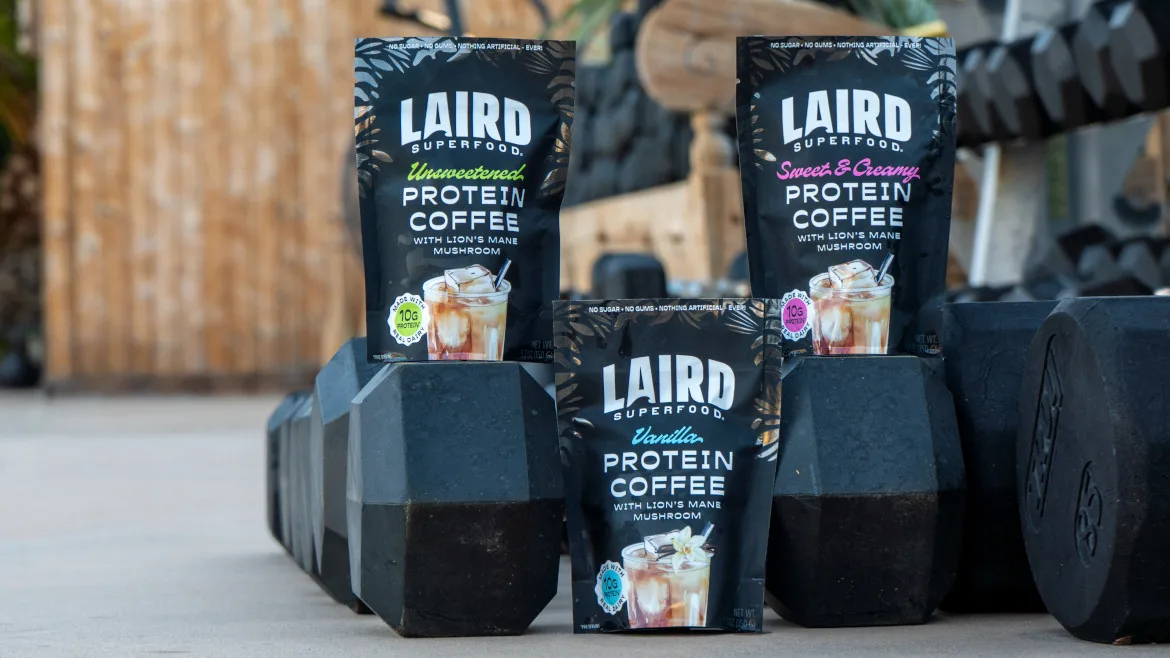
Protein coffee sits at the meeting point of three clear consumer trends: rising interest in protein, established daily coffee routines and the growing demand for simple wellness products. As consumers seek convenient ways to support their health, protein coffee offers brands an opportunity to combine a familiar habit with added nutritional value.
However, commercial success will depend on delivering a credible protein specification alongside taste, clear claims and a strong consumer role.
Protein as an everyday wellness cue
Protein has moved beyond its traditional association with sports nutrition and is viewed as vital part of everyday health. Although consumers might not actively track their intake or know their daily requirements, FMCG Gurus’ research shows just how broad this association has become. Globally, consumers link protein with general health (76%), energy (74%), muscle mass/support (68%), and wider well-being, demonstrating how the ingredient has become a familiar part of everyday wellness rather than a nutrient associated solely with sports and performance.
This creates demand for protein claims across a broader range of food and drink categories. Protein coffee can benefit from this shift because it does not require consumers to learn a new behavior. Coffee already is embedded in daily routines, meaning the opportunity is to make the protein addition feel credible, useful, and easy to understand.
Morning rituals create a natural entry point
Coffee is strongly associated with the morning, when consumers can be particularly health conscious and open to more considered choices.
FMCG Gurus’ data shows that 32% of consumers sometimes skip breakfast, while 17% skip it most or all of the time. Time pressure, reduced hunger and difficulties monitoring nutrition can all contribute to this behavior.
Protein coffee can respond to this gap without requiring a new occasion. Coffee already provides familiarity and caffeine-led alertness, while protein can make the drink feel more substantial. It does not need to replace a meal, but can help boost the morning routine and make it feel more complete.
Hot coffee therefore offers a strong starting point for establishing credibility. Iced coffee also has significant potential, particularly among younger consumers, but its more indulgent and lifestyle-led positioning means brands need to work harder to demonstrate that the protein benefit is meaningful.
Energy remains an unmet need
Energy dissatisfaction provides another opportunity for protein coffee. Just 39% of consumers say they are satisfied with their current energy levels, highlighting a gap between how consumers feel and how they would like to feel.
Protein coffee can fit naturally into this space by combining coffee’s familiar alertness with the nutritional contribution of protein, an ingredient which also carries perceptions of energy boosting in consumers’ minds.
For brands, however, the proposition should not rely solely on a “high protein” descriptor. The stronger consumer benefit lies in what protein adds to the morning occasion: satiety, fewer mid-morning gaps, and a more sustained energy cue alongside caffeine.
GLP-1 users create a premium demand signal
GLP-1 medication also influences how some consumers approach food and drink. For users, smaller eating and drinking occasions can become more important, with greater attention placed on products that feel nutritionally purposeful. FMCG Gurus’ data suggests many GLP-1 users already are increasing their protein intake.
This creates an additional demand signal for protein coffee, particularly where products are positioned around quality, nutritional purpose and premium value. However, GLP-1 behavior should remain an internal commercial insight rather than a consumer-facing claim. External communication should remain focused on protein, satiety, quality and sustained energy.
Taste and credibility are essential
Although the wellness opportunity is clear, protein coffee must still deliver an enjoyable coffee experience. Consumers will expect the product to taste like a premium coffee rather than a protein shake, meaning protein dosage, ingredient quality and flavor delivery must work together.
A weak protein level risks making the product appear to be a marketing gimmick rather than a meaningful nutritional benefit. With consumers looking for nutritional claims that are simple and credible at first glance, brands need to establish a meaningful protein contribution in each serving and benchmark this against the target market before developing claims or packaging.
Therefore, the key consideration is dosage. Once again, brands need to establish a meaningful protein contribution in each serving and benchmark this against the target market before developing claims or packaging.
A category moving from trend to mainstream
Recent launches demonstrate that protein coffee is moving into mainstream formats.
Starbucks’ collaboration with Arla combines coffee familiarity with dairy expertise to strengthen protein credibility, while Jimmy’s Iced Coffee’s collaboration with Myprotein demonstrates how a functional nutrition partner can help an established iced coffee brand build permission in the protein space.
At the same time, the growing presence of protein lattes and protein cold foam within coffeehouse formats is raising expectations around what consumers consider a credible protein coffee.
Protein coffee therefore has the potential to become a meaningful everyday wellness product, but brands must build the proposition around credibility rather than novelty. Those that combine meaningful protein levels with premium taste, simple claims, and a clear morning occasion will be best positioned to turn the current wellness signal into a credible commercial launch.
Looking for a reprint of this article?
From high-res PDFs to custom plaques, order your copy today!