Protein’s usage in beverage extending beyond sports nutrition
Beverage manufacturers pairing protein additional functions, attributes
Need to Know
- Protein usage has evolved beyond sports nutrition to the broader wellness market.
- GLP-1 users prioritizing higher protein products have positioned beverages as suitable format for protein fortification.
- Pairing protein with additional benefits like hydration, fiber, cognitive health and even energy offer potential for beverage brand owners.
Once highly associated with athletics and sports nutrition, research shows that protein is playing a bigger role in consumers’ overall wellness needs.
“Protein continues to be one of the strongest and most resilient ingredients in food and beverage,” says Tyler Lorenzen, CEO at PURIS, Minneapolis. “What we’ve seen over the past year is a shift from protein being seen primarily as a sports nutrition ingredient to becoming a broader wellness ingredient. Consumers are looking for protein to support muscle health, recovery, satiety, healthy aging, and overall nutrition, which is creating opportunities across multiple beverage categories.”
Lorenzen adds that customers have become more sophisticated in what they want from protein solutions.
“It’s no longer enough to simply add protein to a product,” he says. “Brands want proteins that help them achieve specific formulation goals around taste, clarity, texture, sustainability, and label appeal.
“Increasingly, they’re also looking for proteins with lower viscosity and improved solubility so they can formulate higher-protein beverages without creating a heavy or overly thick drinking experience,” Lorenzen continues. “This in turn is encouraging innovation across the ingredient sector as suppliers strive to improve both functionality and sensory performance, not just the protein content.”
Ashley Kraus, consumer insights manager at Imbibe, Niles, Ill., also highlights the growing interest in protein from the average consumer.
“Protein-fortified beverages are especially relevant to consumers on GLP-1’s as these consumers are eating less, which means everything they do consume has to work harder and serve a purpose,” she says. “Protein-fortified beverages fit the bill because they’re portable and help consumers stay full and hold onto muscle.”
Emily Berg, marketing manager at Cargill, Wayzata, Minn., echoes similar sentiments.
“More recently, the rapid rise of GLP-1 medications has added another layer of demand,” she says. “Many GLP-1 users prioritize higher protein intake to support satiety and help maintain muscle mass, and beverages are particularly well positioned to meet those needs. They’re convenient, portable, and easy to consume, while modern formulations can deliver meaningful protein levels without compromising taste or texture.”
Meghan Wahlin, senior product strategy manager for Dairy Nutrition at Glanbia, Chicago, notes how functional beverage trends align protein interest.
“Consumers are increasingly looking for products that include protein, and beverages are no exception,” she says. “Beverages can combine multiple benefits like hydration, energy, and indulgence, in a convenient and enjoyable format, which is what consumers are looking for to fit their busy lifestyles.
“The average U.S. consumer drinks a functional beverage almost four times a week, according to Glanbia’s Health & Wellness Consumer Attitude & Usage Study,” Wahlin continues. “Millennials are particularly drawn to functional beverages, and beverages can provide opportunities for appealing, trendy flavors, colors, textures and formats while also helping consumers hit hydration, macronutrient and other wellness goals.”
Wahlin notes that protein’s appeal has helped it expand beyond traditional protein drinks to categories like water, soda, tea and coffee.
Imbibe’s Kraus further details how consumers are using non-traditional formats to add protein to their diets.
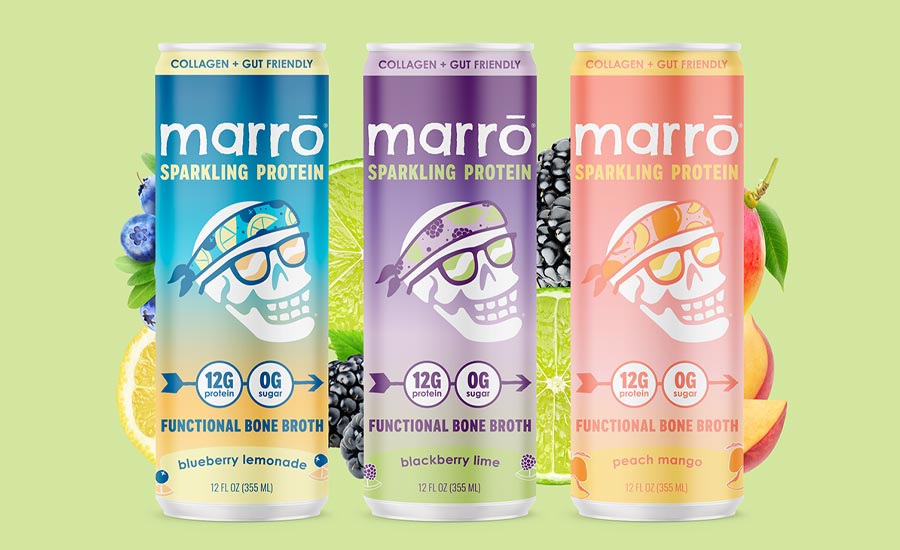 Image courtesy of marrō
“The growth in popularity around adding protein to coffee (protein cold foam and bottled protein coffees) shows that consumers are interested in finding ways to tack-on protein to their already established daily rituals,” she says. “Protein is also moving into clear, sparkling, and hydration drinks, which is a departure from the thick, creamy shake we’ve traditionally associated with protein-fortified beverages. I expect we'll see a lot more of it in sodas, waters, and other formats that can make protein feel refreshing.”
PURIS’s Lorenzen sees clear beverages as the biggest opportunity for protein fortification.
“Historically, adding meaningful protein levels often meant creating a thick, opaque drink. Today, advances in protein technology are opening doors for brands that want lighter, more refreshing formats,” he says. “We developed ClearP, a next-generation clear pea protein that allows formulators to bring protein into beverage applications where traditional proteins may not have been a fit.”
Cargill’s Berg anticipates energy also holds potential for protein fortification.
“Watch for rapid growth in energy-protein beverages,” she says. “There are already a few on the market, and I expect more brands will enter what remains one of the more underdeveloped protein beverage spaces. As protein becomes mainstream across beverage categories, there may be opportunities for storytelling with protein as the differentiator. Already, some brands are highlighting complete amino acid profiles or improved bioavailability.
“Rather than simply adding more protein, the next generation of beverages may layer in additional benefits, creating a protein-plus proposition,” Berg continues. “Protein will remain foundational, but consumers are increasingly looking for multiple benefits in one product — especially fiber. Protein may be the price of entry, but the real opportunity lies in what brands build on top of it.”
Glanbia’s Wahlin expects more growth from protein-plus beverages and benefits, but stresses the importance of balancing with formulation variables.
“We’ll continue to see growth in products that include protein plus other benefits like hydration, digestive, mood and cognitive support, in a variety of convenient, enjoyable formats,” she says. “The challenge for brands will be balancing new benefits in recognizable formats and recognizable benefits in new formats while still providing a beverage that tastes great and is affordable. We’ll continue to see improvements and innovation in protein content, flavors, textures and formats. Because of the cost of dairy protein, we’ll likely also see more innovation in blends and alternative sources.”
PURIS’s Lorenzen notes that protein’s evolution still is in its early stages, but expects mainstream hydration, refreshment, wellness, and healthy-aging to be among the expansion.
“Brands want proteins that help them achieve specific formulation goals around taste, clarity, texture, sustainability and label appeal.”
– Tyler Lorenzen, CEO at PURIS
“Future growth will be driven less by simply increasing protein content and more by delivering protein in formats consumers genuinely enjoy,” he says. “The brands that succeed will be the ones that make protein feel effortless, whether that's through a clear beverage, a functional coffee, a hydration product, or an entirely new format.
“We’re also moving toward more personalized nutrition, where consumers seek specific benefits such as recovery, satiety, muscle maintenance, or healthy aging,” Lorenzen continues. “That will require protein ingredients that can fit a variety of beverage applications without compromising taste or convenience.”
Although protein is here to stay, Imbibe’s Kraus cautions challenges for brands looking to break into a crowded market.
“The shake aisle is crowded, and growth is moving toward new occasions and lighter formats,” she says. “I think the winners will pair protein with other benefits consumers care about (e.g., fiber, gut health, and hydration) and deliver a refreshing product that successfully masks any off-notes associated with added functionals.”
As protein expands its reach, it seems no beverage categories or functional pairings are off limits.
Looking for a reprint of this article?
From high-res PDFs to custom plaques, order your copy today!