Legislation, automation drive lubricant usage in beverage manufacturing
Sustainability, corporate responsibility influence next generation of lubricants
Labubus, the viral toy of 2025, was initially released in 2019. POP MART released Labubus following an agreement with Hong Kong illustrator Kasing Lung. The plush monster toys took on a new status after global stars like Lisa from BLACKPINK and Dua Lipa who were spotted sporting the bag charms.
Much like the lack of mystery as to what caused the interest in Labubus to rise, the reasons behind the growth of lubricants in beverage manufacturing have been years in the making.
Ellie Girard, region manager for Southern California at Newark, N.J.-based Lubriplate, shares which industry trends are impacting the demand for food-grade lubricants.
“Food safety regulations have become stronger globally,” she states. “Pieces of legislation like the Food Safety Modernization Act and industry standards like ISO 21469 have increased the demand for food-grade lubricants.”
With the rapid automation of the entire food and beverage industry, Girard has observed the increased demand for synthetic, food-grade lubricants.
“Facilities want lubricants that are safe and will last longer without sacrificing performance,” she says. “Synthetic, food-grade lubricants are the solution for that demand. Food-grade lubricant manufacturers are having to rethink product formulations and manufacturing processes due to sweeping PFAS and MOSH/MOAH [mineral oil saturated hydrocarbon/mineral oil aromatic hydrocarbons] bans that we are seeing globally.”
Benjamin Garmier, vice president at Renewable Lubricants, Hartville, Ohio, says the company has seen a clear shift toward safer, cleaner lubrication practices within the beverage industry.
“One of the biggest trends driving demand today is the move away from ‘forever chemicals’ such as PTFE (Teflon) and silicone, which can migrate into products during total-loss applications,” he notes. “Beverage manufacturers are increasingly aware that these materials don’t belong anywhere near consumables. At the same time, there’s growing momentum, especially from Europe and now across North America, toward eliminating petroleum from food-contact areas.”
These are often referred to as MOSH-free products, Garmier explains, and this includes applications such as release agents and seamer oils, where incidental contact with the product is possible.
“Overall, the market is moving toward lubricants that are not only NSF H1-registered, but also petroleum-free (MOSH-free) and designed with food safety in mind, ensuring greater protection for both the manufacturer and the consumer,” he says.
Karla Ruiz, GIT food vertical manager for the U.S. and Canada at Kluber Lubrication, says that the food-grade lubricants market is expanding at a healthy pace. She notes that forecasts show a CAGR of 5.26% through 2030, reaching over 82 million liters in volume.
Ruiz lists the following as key trends affecting demand for lubricants:
- Stricter food safety regulations from agencies like the FDA and USDA, requiring lubricants safe for incidental food contact.
- Consumer demand for transparency and hygiene, pushing manufacturers to adopt lubricants that minimize contamination risks.
- Growth in the beverage sector, especially in craft and organic products, which require specialized equipment and tailored lubrication solutions.
- The expansion of global trade requires adherence to international standards such as NSF H1, kosher and halal certifications, as well as raw material exchanges. Some customers request lubricants with stricter controls regarding MOSH and MOAH content.
Experts note that sustainability also is affecting the lubricants market.
“Each year, there is more demand for bio-based lubricants, which are biodegradable and less toxic,” Lubriplate’s Girard says. “Fortunately, a lot of the synthetic base stocks that are used in food-grade lubricants are naturally biodegradable.”
Renewable Lubricants’ Garmier shares that sustainability has become one of the strongest forces shaping the lubricant industry, especially in food and beverage manufacturing.
“OEMs are now seeing customers who specifically request sustainable lubrication options, and many corporations have set clear sustainability goals they’re expected to meet,” he says. “Lubricants offer a practical, high-impact way to make progress toward those objectives by replacing petroleum-based fluids with renewable, carbon-friendly alternatives.”
For many food and beverage companies, Garmier notes it is a “simple but meaningful” step that supports broader environmental commitments without sacrificing performance or equipment protections.
Kluber’s Ruiz shares a handful of ways that sustainability is transforming lubricant formulation and usage.
“Bio-based lubricants made from renewable resources like vegetable oils are gaining traction for their biodegradability and low toxicity,” she says. “Energy-efficient formulations reduce friction and wear, lower energy consumption and emissions.”
Additionally, Ruiz notes that lifecycle assessments are becoming standard, which encourages manufacturers to elevate their environmental impact from production to disposal.
“Corporate responsibility initiatives are driving lubricant producers to reduce carbon footprints and adopt sustainable sourcing practices,” she adds. “Kluber products are designed to meet environmental goals without compromising performance, providing full traceability and safety data sheets for audit readiness.”
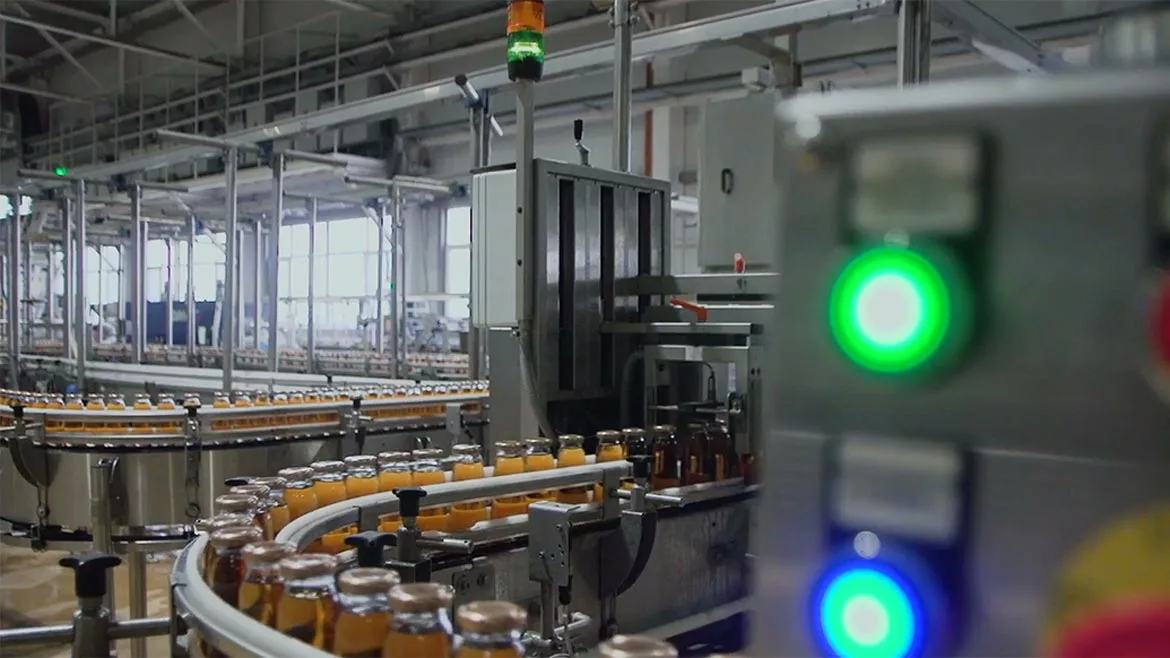
Automation also is impacting the lubricants market within beverage warehouses. Kluber’s Ruiz shares her take.
“Automation is increasing the demand for high-performance lubricants that can withstand variable operating conditions such as fluctuation temperatures and pressures, continuous operation cycles requiring lubricants with longer life and maintenance needs, [and] smart lubrication systems, enabling real-time monitoring and predictive maintenance to avoid downtime,” she states.
Ruiz notes that Kluber is investing in digital lubrication management, integrating smart sensors and analytics and advanced synthetic technologies and improving performance under extreme conditions.
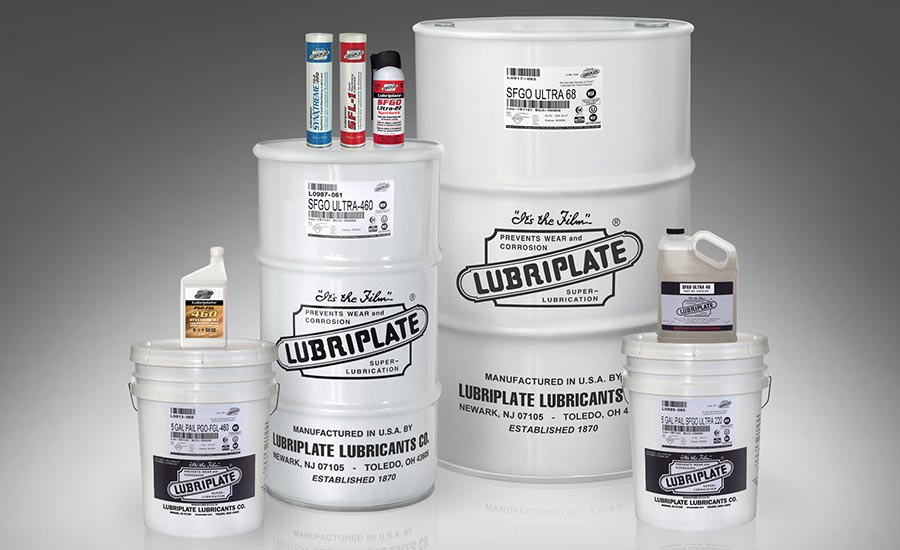
Lubriplate’s Girard says that one common goal among beverage warehouses is to produce and package products in the safest way, while also being efficient and cost-conscious throughout the process.
“Automation is a solution for all these things,” she explains. “Original equipment manufacturers are recommending synthetic lubricants for their components in pieces of automation machinery (such as robots) because they not only perform better, but they last longer than traditional mineral-oil based lubricants.”
Additionally, Girard says that automatic lubrication systems, both single and multi-point, are becoming more widely used in the beverage space for all types of applications.
Renewable Lubricants’ Garmier states that automation is transforming how beverage manufacturers manage lubrication in their facilities.
“Many large producers have transitioned to fully automated lubrication systems that precisely control product selection, timing and application rate; the three key factors in effective lubrication,” he says. “When systems deliver the exact amount of lubricant needed, waste is dramatically reduced and efficiently improves. This precision has also led manufacturers to adopt higher-quality lubricants, since they’re not able to use smaller quantities more effectively.”
The result is longer equipment life, fewer breakdowns and a cleaner, more sustainable operation overall, Garmier adds.
Boasting the benefits
Experts note the benefits that beverage manufacturers can gain from using food-grade lubricants.
“Using food-grade lubricants affords the opportunity to consolidate your lubricant inventory,” Lubriplate’s Girard says. “Less lubricants in-house means less chances of lubricant misapplication. If a beverage manufacturer has implemented a 100% NSF H1 registered food machinery lubrication program, lubricants are eliminated as chemical hazards within HACCP [hazard analysis and critical control points] plans.”
Renewable Lubricants’ Garmier states that, for most beverage manufacturers, using food-grade lubricants isn’t optional.
“The gold standard in the industry is NSF certification, and most facilities specify H1 lubricants across the board to ensure compliance,” he says. “Beyond meeting regulatory standards, food-grade lubricants provide an essential layer of protection against liability and contamination.”
Using non-food-grade products anywhere near a beverage line creates the risk of product contamination and serious legal exposure if those lubricants encounter consumables, Garmier warns.
“Food-grade lubricants allow beverage manufacturers to operate confidently, knowing they’re protecting both their customers and their brand reputation,” he adds.
Kluber’s Ruiz says that using food-grade lubricants offers beverage producers the following:
- Regulatory compliance and reduced risk of audit failures.
- Improved equipment performance and longer service life combining high performance and food-grade requirement.
- By using appropriate technical assistance along with food-grade and high-performance lubricants, it is possible to lower the risk of contamination, which could result in fewer product recalls and improved brand reputation.
- Operational efficiency.
When selecting lubricants, Ruiz notes that beverage-makers should consider certifications required to meet global standards. Producers also should assess whether customers have specific requirements regarding MOSH/MOAH, as well as lubricants that might not be classified as dangerous goods due to the composition of certain raw materials.
Compatibility with machinery and ingredients used in products is another factor Ruiz suggests beverage manufacturers to consider, in addition to environmental impact, versatility, documentation and traceability.
Lubriplate’s Girard echoes similar sentiments.
“Consider the inventory that your lubricant supplier maintains to eliminate supply chain issues,” she says. “With tariff volatility lingering, supply chain issues could become an issue, and you want to work with a lubricant supplier that does maintain a sizeable inventory to avoid stock concerns.”
Girard urges beverage-makers to confirm that their food-grade lubricants are not only NSF H1 registered, but also ISO 21469 certified.
“While NSF H1 registration does look at the formula of the food-grade lubricants, ISO 21469 examines the entire supply chain including the formulation, manufacturing, packaging and distribution of the lubricant,” she explains. “Ask your lubricant supplier about the extra, no-charge services that they offer. Do they offer oil analysis? Do they offer a color-coding program to organize and consolidate your lubricant inventory? Do they have local representation?”
Renewable Lubricants’ Garmier states that, when it comes to selecting lubricants for food and beverage manufacturers, quality should be the first priority.
“These facilities operate highly specialized and expensive equipment, and the small cost difference between a mineral-based lubricant and a full synthetic is insignificant compared to the long-term benefits of better protection and reduced wear,” he shares. “The old adage that ‘oil is oil’ simply doesn’t apply in modern food manufacturing. Choosing high-performance, full-synthetic products helps safeguard the investment in equipment and keeps operations running smoothly.”
Garmier adds that Renewable Lubricants offers a full line of biosynthetic lubricants that deliver the same durability and performance as traditional synthetics while maintaining compliance for food-grade use.
Looking ahead, Garmier says the lubricant market is entering a period of major transition.
“In the coming years, we’ll likely see petroleum-based products become more expensive while synthetic technologies continue to become more affordable,” he suggests. “At the same time, there’s a growing shift away from toxic and harmful chemicals, particularly ‘forever chemicals’ and even petroleum itself, in certain food-grade applications.”
As these trends converge, Garmier expects the cost gap between mineral oil and full-synthetic lubricants to continue to narrow, making synthetics the logical choice for most manufacturers.
“Beyond cost, synthetics offer extended maintenance intervals, better equipment protection and greater long-term value,” he says. “In the food and beverage sector especially, the move toward cleaner, safer and more sustainable lubrication is not just a trend, it’s the future of the industry.”
Lubriplate’s Girard also anticipates continued developments in the synthetic lubricants market.
“Synthetic lubricants are the future in both food and non-food-grade lubricants,” she states. “Smart technologies like AI [artificial intelligence] will continue to integrate into facilities and assist personnel with more predictive and proactive maintenance programs.”
Kluber’s Ruiz suggests that digitalization with smart lubrication systems and IoT [internet of things] integration is on the horizon for the lubricants market. She also suspects to see advanced synthetic and bio-based formulations for better performance and sustainability, in addition to minimized regional differences in standards to facilitate global compliance.
Increased regulatory scrutiny, especially around MOSH/MOAH content and toxic additives, is another factor Ruiz expects to see more of in the future. Raw material innovation and consumer education are two other aspects on the horizon, according to Ruiz.
Looking for a reprint of this article?
From high-res PDFs to custom plaques, order your copy today!