Female engagement leads to stronger beverage operations
Engagement starts with removing barriers, providing equal access
Need to Know
- In operations, leaders must move beyond simply hiring females, opportunities start with removing barriers.
- Stronger female engagement improves retention, strengthens culture, and creates a deeper leadership pipeline.
- Enhanced mentorship and leadership development programs provide opportunity to continue building the pipeline of female talent.
Today, as more women enter the workforce, experts in the field of beverage operations note that companies should continue evaluating workplace practices, schedules, and development programs to support a diverse workforce and remove unnecessary barriers to advancement.
Romie Montpeirous, vice president of operations at Miami-based Southern Glazer’s Wine & Spirits, explains that operations leaders must move beyond simply hiring women and focus on creating environments where they want to be, can see themselves thriving, and have real opportunities to advance.
“In warehousing and distribution, that starts with removing barriers, providing equal access to opportunities, and ensuring women have a voice at the table,” Montpeirous says. “I’ve seen organizations make meaningful progress when they invest in leadership development, mentorship, and clearly defined career paths.
“The goal should be for women to view operations not just as a job, but as a long-term career with opportunities to grow into leadership roles,” she continues. “One thing I've learned throughout my career is that operations are often viewed as trucks, warehouses, production lines, and processes, but at its core, it’s a people business.”
Montpeirous adds that success comes from developing great people, creating opportunities for them, and building a culture where everyone feels supported, valued, and empowered to contribute.
“When you focus on people first, the results follow,” she says.
A representative for Manhattan Beer & Beverage Distributors, Bronx, N.Y., notes that female engagement is a strategic priority at the organization, including operations, where the company has focused on creating meaningful pathways for development, leadership, and advancement.
“Through initiatives such as our Individual Development Program (IDP), we intentionally identify high-potential employees, provide stretch assignments, and create opportunities for skill development and leadership growth,” they explain. “These efforts are producing measurable results, with female representation increasing to 22% at the operations supervisor level and 15% at the operations manager level over the past two years. Additionally, through our Women in Beverage resource group, we have created opportunities for networking, mentorship, and professional development that strengthen connections across departments and encourage women to envision long-term careers within the organization.”
Moreover, the representative notes that there is a significant opportunity to continue building the pipeline of female talent through enhanced mentorship and leadership development programs.
“We also see opportunities to deepen partnerships with schools, trade programs and community organizations to introduce women to careers in manufacturing, supply chain, delivery and beverage distribution earlier in their professional journeys,” they say. “Continuing to create visibility around successful female leaders and career progression stories can further inspire participation and engagement.”
Southern Glazer’s Wine & Spirits’ Montpeirous, echoes similar sentiments, noting that one of the biggest opportunities is increasing exposure to operations careers earlier.
“Many people still don’t realize the variety of opportunities available across supply chain, logistics, warehousing, transportation, manufacturing and leadership,” she says. “There is also a perception that you have to work your way through every operational role before you can be successful in leadership. While understanding the work is important, I’ve found that what matters most is having the desire to learn, understand, and support the people doing the job.
“Leaders who are curious, engaged and willing to learn from their teams can be successful regardless of where they started,” Montpeirous continues. “Highlighting that reality is a huge opportunity for our industry.”
Montpeirous also points to mentorship as another area where companies can make a significant impact.
“When women see other women succeeding in operational leadership roles, it becomes much easier to envision themselves following that same path,” she explains. “Representation matters because it shows what is possible. The more we focus on potential, capability, and leadership, the more opportunities we'll create for future talent.”
Montpeirous further notes that diverse teams bring different perspectives, experiences, and ways of thinking, which leads to better decision-making, stronger problem-solving, and increased innovation.
“From an operational standpoint, engagement drives performance,” she says. “When people feel valued and included, they’re more likely to contribute ideas, challenge old ways of thinking, collaborate with their teams, and stay committed to the organization. Many of the best improvements I’ve seen in operations have come directly from frontline employees who felt comfortable speaking up and sharing a different perspective.
“Stronger engagement also improves retention, strengthens culture, and creates a deeper leadership pipeline,” Montpeirous continues. “When organizations create an environment where people can succeed and grow, they don’t just build better teams; they build stronger operations.”
The representative for Manhattan Beer & Beverage Distributors also points to diverse teams as driving stronger decision-making and innovation, while creating a more inclusive workplace culture.
“Our own results demonstrate the value of intentional investment in talent development, with women increasingly represented across frontline leadership and executive positions, including the recent appointment of our first female Chief Financial Officer, Judy Hong,” they note. “These advancements help ensure we are building a stronger leadership pipeline while positioning the organization for long-term success.”
Building a diverse work culture
Given that a diverse workforce can foster better decision-making and increased innovation, experts highlight how recruitment and retention efforts can support deepening female engagement in manufacturing and delivery.
“Recruitment starts with showcasing operations for what it truly is: a rewarding career path with opportunities for growth, leadership and impact,” Southern Glazer’s Wine & Spirits’ Montpeirous says. “Partnering with schools, trade programs, community organizations and industry groups can help introduce more women to careers they may not have previously considered.
“I believe many women already think operationally every day,” she continues. “They solve problems, manage competing priorities, lead people, drive organization, and make critical decisions. The challenge is that they may not always be aware of the career paths available to them, or they may still believe operations is an industry where opportunities are limited because of historical stereotypes. I don’t believe that’s the reality anymore.”
Montpeirous adds that today’s organizations increasingly are focused on results, talent, adaptability, and leadership capability, noting that as this shift continues, opportunities are opening for anyone who can lead, develop people, and deliver results.
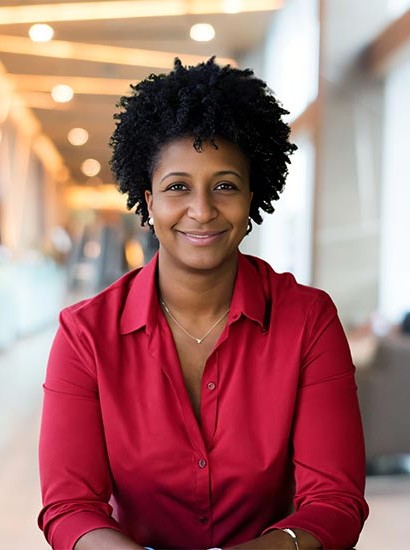
“The goal should be for women to view operations not just as a job, but as a long-term career with opportunities to grow into leadership roles.”
– Romie Montpeirous, vice president of operations at Southern Glazer’s Wine & Spirits
“Retention comes down to development and support,” she says. “Employees stay when they see opportunities to grow, receive meaningful coaching, and feel that their contributions are recognized. Investing in mentorship, leadership development, and clear career progression can make a significant difference.
“Leaders also have a responsibility to challenge outdated perceptions about operations careers and create environments where everyone has an opportunity to succeed,” she continues. “Sometimes the most important thing a leader can do is simply encourage someone to take a chance on themselves before they fully realize their own potential.”
The representative for Manhattan Beer & Beverage Distributors pinpoints visibility and access as the starting point for successful recruitment.
“Organizations should actively showcase female role models in operations and delivery while partnering with educational institutions, industry associations and community organizations to attract new talent,” they explain. “Retention efforts should focus on creating clear career pathways, providing mentorship and leadership development, and ensuring employees have opportunities to build skills and gain exposure to new challenges.”
The representative adds that they hope more companies view female engagement not simply as a diversity initiative, but as a critical business strategy that strengthens organizations and the industry.
“The beverage and distribution sectors offer tremendous career opportunities, and companies that invest in recruiting, developing, and promoting women will be better positioned to attract top talent and build stronger leadership pipelines,” they say. “By creating environments where women can grow, lead, and support one another, we can continue to make meaningful progress and ensure the next generation of leaders reflects the diverse communities we serve.”
Southern Glazer’s Wine & Spirits’ Montpeirous says her hope is that female participation in operations becomes so common that it’s no longer viewed as something unique or noteworthy.
“The conversation shouldn’t be about whether women belong in operations,” she says. “It should be about making sure the best talent has every opportunity to succeed. The supply chain, manufacturing and logistics industries need talent, ideas and strong leadership. The more companies invest in attracting, developing and promoting women, the stronger our industry will become.”
Montpeirous adds that she wants future generations entering this field to know that opportunities are based on capability, performance, leadership potential and the impact you make, not gender.
“When talented people can see a path for themselves and are given the opportunity to grow, everyone benefits. At the end of the day, the best organizations are the ones that create environments where people can succeed, contribute and lead,” Montpeirous says. “If we continue focusing on developing great people and giving them opportunities to grow, our industry will be stronger, more innovative and better positioned for the future.”
Looking for a reprint of this article?
From high-res PDFs to custom plaques, order your copy today!