RTD has become easy to try, but much harder to love
5 shifts in consumer behavior explain why some RTD brands become favorites while others remain just another flavor to sample
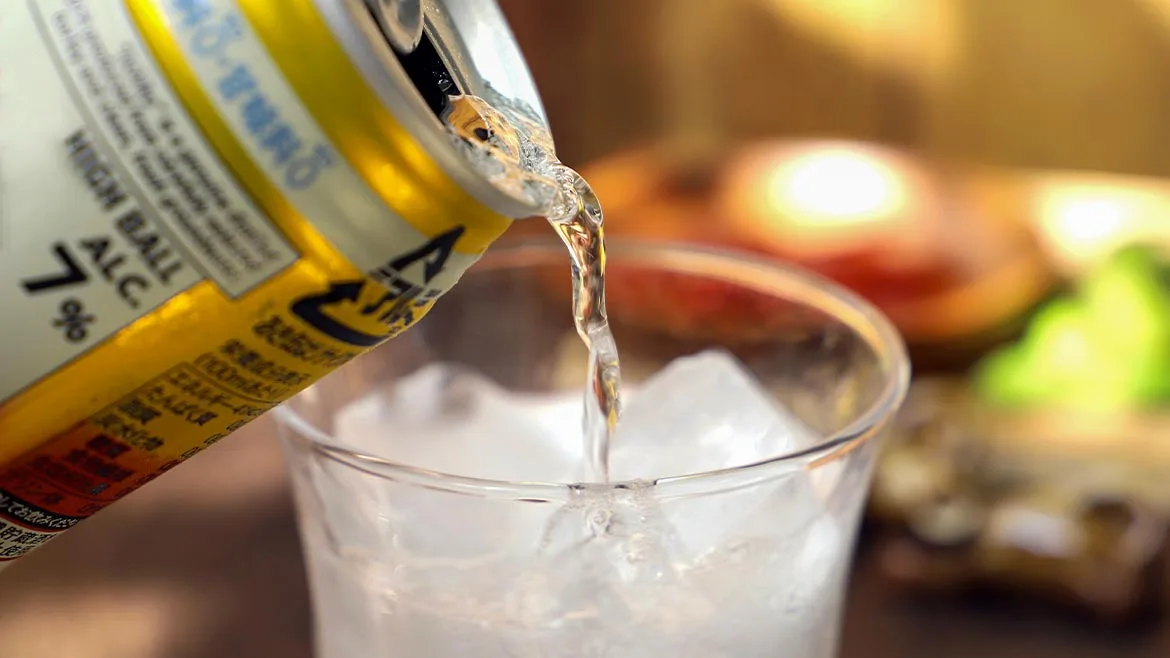
Spirits-based ready-to-drink (RTD) has become remarkably good at getting consumers to say “yes” the first time.
Few categories have generated the same level of experimentation over the past five years. New flavors, base spirits and formats have given shoppers endless reasons to pick up something different, helping spirits-based RTD almost quadruple in volume while much of beverage alcohol slowed.
But categories built on curiosity eventually reach a turning point. At some stage, growth stops coming from getting more people to try the category and starts depending on whether they come back to the same brand.
Malt-based hard seltzer offers a useful reminder. It mastered trial, too. Loyalty proved much harder. That raises an important question for today's RTD brands: what actually makes someone reach for the same can again next weekend?
Recent consumer research by Method1 on indulgence suggests that when the goal is repeat purchase, emotional loyalty matters more than product novelty.
Five shifts stand out:
1. Convenience gets consumers in, but it now won’t keep them there.
Convenience helped build the RTD category, but these days it’s the price of admission. Once every brand promises portability, quality ingredients and bar-quality taste, those claims stop creating meaningful distinction.
What’s becoming more important is the emotional payoff, a lift that has nothing to do with ABV because it isn’t unique to alcohol. On average across every indulgence studied, mood improvement is the top reason a treat feels worth it (30%), sitting well ahead of feeling special (17%) or product quality (16%). Whether consumers are reaching for chocolates or canned cocktails, the pleasure lives in the reward ritual–the small, reliable pause in an ordinary day.
Convenience, the category’s original selling point, doesn’t even register with those who value alcohol most: 0% point to saving time or effort.
That should change the conversation. Rather than competing on what the product contains or tastes like, the brands that build loyalty will be the ones that own an emotion. Because when every RTD is easy, convenience is no longer a differentiator.
2. Rituals now matter more than novelty.
Innovation fueled RTD’s rise, but creativity alone rarely creates loyalty. Consumers might try something because it’s new; they come back because it becomes part of their routine.
More than half of beverage alcohol’s core consumers now indulge multiple times a week, suggesting these purchases are increasingly woven into everyday life rather than reserved for celebrations.
That’s an opportunity for RTD brands. The goal shouldn’t simply be launching the next seasonal flavor — it should be becoming the drink people instinctively pack for a beach day, buy for movie night or bring to the backyard barbecue. Rituals outlast novelty, and they're much harder for competitors to disrupt.
3. Consumers have stopped apologizing for indulgence.
The wellness movement has prompted many alcohol brands to double down on calorie counts, sugar claims and “better-for-you” credentials. But consumers increasingly appear to have settled a completely different question.
Across every generation surveyed, the majority agree indulgence is part of a healthy, balanced life, including 72% of millennials and 67% of Gen Z — the consumers driving much of RTD’s growth.
That suggests brands should spend less time justifying indulgence and more time confidently articulating the role their products play in a balanced lifestyle.
Consumers aren’t necessarily looking for permission anymore — they’re looking for a reward that fits comfortably into the life they've already built.
4. The best rewards still need to feel earned.
One of behavioral science’s most enduring insights is that rewards become more meaningful when they feel deserved. The research suggests consumers apply that same logic to indulgence.
More than half of consumers (51%) say it’s highly important that an indulgence feels earned, rising to 58% among those who consider beverage alcohol their most meaningful indulgence.
That’s why the strongest RTD occasions aren’t random. They’re the Friday drink after making it through the week, the can waiting in the cooler after a long hike or the cocktail shared at the end of a successful day. Brands that connect themselves to those earned moments create emotional value that extends well beyond the liquid in the can.
5. The brands that win will own a feeling, not a flavor.
Perhaps the clearest sign the category is entering a new phase is how few consumers have settled on one exclusive favorite.
Despite the explosion of choice, 64% of consumers who identify beverage alcohol as their most meaningful indulgence don’t commit to a single brand. They might say they like one more than others, but they still sample around it — introducing risk they’ll move on.
For RTD brands, that’s both the challenge and the opportunity. The next wave of growth won’t come from convincing people to try the category (they’re already doing that). It will come from giving consumers a reason to stop exploring and start returning.
The brands that succeed are likely to be the ones that become shorthand for a particular mood, occasion or ritual. Because when a product becomes part of how someone celebrates, unwinds or reconnects, it stops being just another RTD and becomes their RTD.
RESOURCES:
Spirits-based RTD volume growth, 2020–2025 (slide 17); 2025 category performance across spirits (slide 15); malt-based seltzer share decline within the RTD segment since 2021 (slide 16; underlying share data: IWSR); growth-rate figures (56% peak, subsequent cooling) calculated from slide 17 volume data.
DISCUS Annual Economic Briefing, February 5, 2026.
https://distilledspirits.org/wp-content/uploads/2026/02/FINAL-DISCUS-Annual-Economic-Briefing-Presentation-2026-2.5.2026-11-AM.pdf
Trial-heavy category characterization; growth deceleration and tightening shelf sets.
NIQ, "The Fourth Category: A Mid-Year Update on Ready to Drinks," 2025. https://nielseniq.com/global/en/insights/report/2025/the-fourth-category-a-mid-year-update-on-beverage-alcohol/
All consumer indulgence statistics.
Method1, State of Indulgence 2026.
https://method1.com/state-of-indulgence/2026/pdf/method1_state_of_indulgence_2026.pdf
Looking for a reprint of this article?
From high-res PDFs to custom plaques, order your copy today!