Beverage-makers find fitting solutions to support women’s health
From gut health to beauty, specific beverage formulations back women’s health
In her song “Man! I Feel Like a Woman!,” Shania Twain sings all about the joys of being a woman. “Color my hair / Do what I dare / Oh, oh, oh, I wanna be free / Yeah, to feel the way I feel / Man! I feel like a woman!,” she sings in the chorus.
Twain’s iconic tune is all about the excitement women can experience in life, which is nothing new. And although the unique health needs of women are nothing new, these needs have been garnering greater attention in recent years. Experts within the beverage industry describe what has raised awareness of this need state.
“The surge in awareness of women’s health topics is largely driven by an increasing demographic of millennials and Gen X women aging into perimenopause, and a fading cultural stigma around these need-states,” says Alex Bloom, marketing coordinator at Applied Food Sciences (AFS). “According to consumer data from Brightfield Group, social media mentions of perimenopause have tripled since 2022, surpassing mentions of heart disease.”
Women entering this stage of life have a highly proactive approach to wellness, and they are no longer willing to accept that poor sleep, brain fog or sudden mood fluctuations are just “part of life,” she adds. Instead, Bloom notes that women are connecting these symptoms to the root cause of changing hormonal profiles and seeking more holistic solutions.
Michael Yuen, general manager of Hong Kong-based Puredia, feels that awareness has increased because women’s health has moved from a niche supplement segment into a mainstream wellness platform.
“Consumers are speaking more openly about menstruation, fertility, postpartum recovery, perimenopause, menopause and healthy aging, while brands and retailers are building more targeted products around those life stages,” Yuen says. “Women are also looking for proactive, daily-use solutions rather than reactive care alone. Innova Market Insights reported a 12% compound annual growth rate globally between April 2019 and March 2024 for food and beverage launches targeted toward women, which shows how quickly the category is expanding beyond capsules and tablets into beverages, powders, shots and other convenient formats.”
The aging female demographic is another driver, he adds, as more women seek non-hormonal, clinically supported ingredients for comfort, skin health, cardiovascular wellness, energy, mood and healthy aging.
“As women continue to demand transparency, brands will need to rely on highly validated ingredients rather than trendy buzzwords.”
– Alex Bloom, marketing coordinator at Applied Food Science
Lauren Samot, director of commercial innovation at Vitaquest International LLC, Caldwell, N.J., states that the women’s health category has gained tremendous momentum in the past few years.
“In most households, women are the primary shoppers for groceries, household essentials, personal care products and beyond,” she says. “Women are powerful end users when it comes to supplement purchases as well. It’s not just their purchasing power that is impactful; it’s their endorsement.”
When women feel that a supplement is supporting them nutritionally, Samot says they will talk about it to friends, colleagues, physicians, through reviews and even on social media.
“Their advocacy drives sales,” she adds.
Common concerns
For female consumers, certain anxieties are more frequent than others.
AFS’ Bloom shares that, during perimenopause, women often face a variety of conditions, such as persistent brain fog, disrupted sleep cycles, low energy, irregular mood and changes in hair and skin health.
“These symptoms are closely connected to a condition called estrogen dominance, where excess levels of estradiol create an imbalance,” Bloom explains. “Additionally, there is a growing awareness around how synthetic chemicals in everyday items like microplastics, preservatives and pollutants can mimic estrogen in the body.”
These endocrine disruptors exacerbate the overall hormonal imbalance, leading consumers to recognize they might not be looking for quick fixes, she notes.
“What they really seek is a foundational support that helps the body natural metabolize and eliminate these excess hormones and environmental disruptors,” Bloom adds.
Puredia’s Yuen shares that the most common need states he has observed in women’s health are the following: hormonal wellness, menstrual and cycle support, menopausal comfort, beauty-from-within, gut and digestive health, immune support, cardiovascular and metabolic wellness, stress and mood support, energy and healthy aging.
“These priorities shift by life stage,” Yuen says. “Younger consumers often focus on skin health, mood, energy, cycle regularity and gut health. Pregnancy and postpartum consumers prioritize hydration, nutrient density, digestive comfort, immune support and recovery.
“In midlife and later life, the focus shifts toward menopausal comfort, skin hydration and elasticity, vaginal and mucosal dryness, dry eyes, dry mouth, hair thinning, brittle nails, cardiovascular health, joint health and healthy aging,” he continues. “Consumers are also paying closer attention to clean label, traceability, sustainability and ingredient origin.”
Vitaquest’s Samot says that, in the company’s experience, women want to feel like a better version of themselves. They want to experience less brain fog during menopause, more energy to multitask, nutritional impact for future fertility support, better sleep and cognitive recall, she shares.
As for how beverage manufacturers are addressing these needs, Samot says that, for dietary supplements, such brands innovate by adding experience.
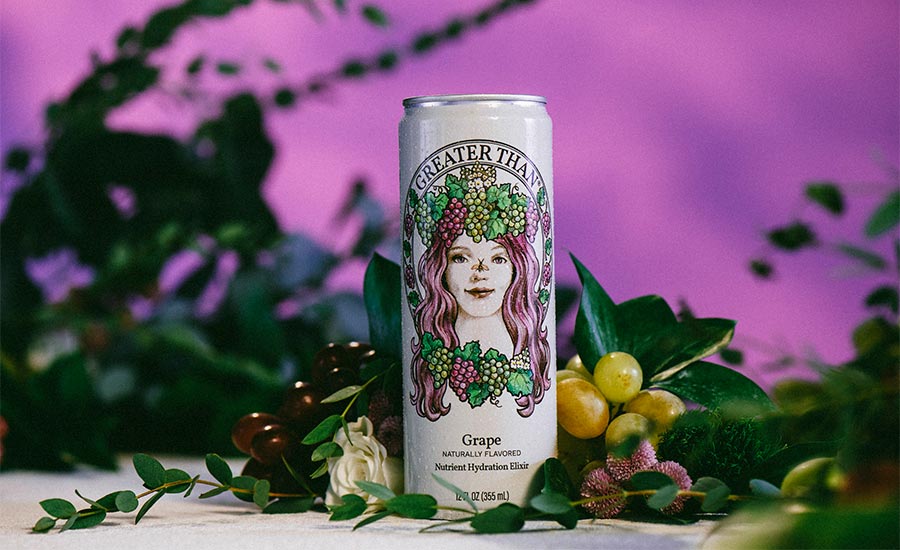 Coconut water-based hydration brand GREATER THAN is “designed by women, for women,” the brand says.
Image courtesy of GREATER THAN
“We look to deliver active nutrients in a way that is enjoyable for the end user either by making it sparkling/effervescent, a nostalgic flavor, providing portability in packaging, etc.,” she notes. “At Vitaquest, we also evaluate branding ingredients that can support health in a meaningful way.”
Puredia’s Yuen notes that manufacturers are addressing women’s health through more targeted positioning, improved delivery systems and multi-benefit formulas.
“The market is moving away from generic women’s wellness claims and toward life-stage and need-state platforms such as cycle support, fertility, pregnancy, postpartum, perimenopause, menopause and health aging,” Yuen shares. “In beverages, we are seeing benefit stacking such as hydration plus beauty, gut health plus immune support, and menopausal comfort plus skin and cardiovascular wellness.”
Functional shots, powder sachets, beauty waters, enhanced waters, ready-to-drink (RTD) teas, coffee alternatives and low-sugar RTDs are attractive because they support daily compliance and fit established routines, he notes.
“The challenge is that many clinically relevant women’s health actives are lipophilic, heat-sensitive, poorly dispersible or difficult from a taste perspective,” Yuen says. “That is way beverage-ready formats such as Omegia Powder and CyanthOx 80 CWS are important for achieving substantiated use levels without compromising sensory performance.”
AFS’ Bloom expresses that, while many products successfully target women for individual symptomatic support, such as bedtime teas, clean energy or beauty-from-within, consumers also are reaching for more hormone-related solutions that can address the root causes of these health concerns through functional, everyday formats.
“While much of the industry still sees this as a supplement-driven topic, it is clear that ‘pill fatigue’ is a real issue for many consumers,” she says. “Furthermore, nutritional supplements can be a significant investment for consumers, with brands charging $60-70 per bottle. Functional RTDs, water and wellness shots, on the other hand, have a great opportunity to provide a more approachable entry point that consumers will appreciate, while still delivering meaningful health benefits.”
These products also can offer a fun experiential element that supplements cannot, Bloom adds.
“Imagine picking up a can that says, ‘Inner Glow’ on it and learning that it can help balance hormones and mood,” she describes. “Or snacking on a rejuvenation bar that helps refresh your cells and cleanse you from the inside out. One thing’s for sure, browsing the functional beverage aisle of the grocery store is much more fun than looking at a long line of white supplement bottles near the pharmacy.”
Therefore, brands can take advantage of this premium space, Bloom notes.
Supporting women’s need states
To support women’s need states, beverage formulators are exploring a range of ingredients.
Puredia’s Yuen states that the strongest women’s health ingredients combine clinical substantiation, clear structure-function benefits, formulation practicality and differentiated sourcing.
“In menopause, many legacy ingredients are hormone-adjacent or phytoestrogen-based, such as soy isoflavones, red clobber and black cohosh, which can limit positioning or consumer appeal,” he adds.
Yuen points to Puredia’s Omegia, a supercritical CO2-extracted, vegan sea buckthorn oil standardized to at least 30% omega-7 and designed to support menopausal comfort through lipid-based mucosal nutrition rather than hormonal modulation. Omegia is positioned for more than 13 menopausal comfort areas while also supporting beauty-from-within, antioxidant status and cardiovascular wellness, Yuen says.
He shares that, in a randomized trial published in Maturitas and in a recent clinical trial published in Journal of Functional Foods, sea buckthorn oil’s benefits were highlighted. Meanwhile, Puredia’s CyanthOx, a sea buckthorn polyphenol complex, is positioned for longevity, cellular vitality, beauty-from-within and healthy aging, Yuen notes.
“It was developed to support key healthy-aging pathways, including stem cell activity, mitochondrial energy, oxidative stress, inflammation balance and microbiome support,” he says. “For beverage and powder applications, CyanthOx 80 CWS is especially useful because the clinically studied dosage is only 100 mg, allowing meaningful use in shots, sachets and RTDs with minimal impact on taste, mouthfeel and solubility.”
Moreover, Yuen notes that clinical research on CyanthOx has shown more than a 40% increase in circulating stem cell activity markers and a 91% increase in ATP production.
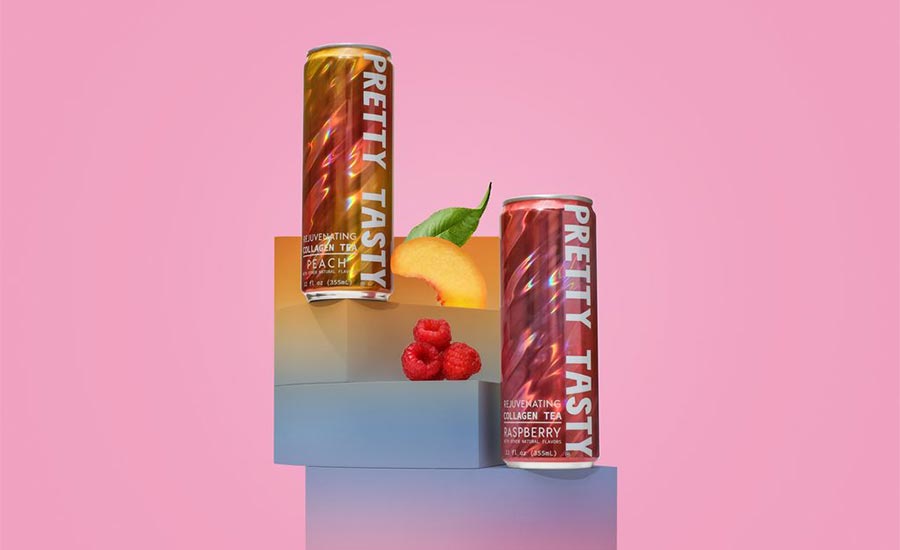 Pretty Tasty, a collagen tea brand, was crafted to support skin, hair, joint and nail care.
Image courtesy of Pretty Tasty
“In beauty-from-within research, CyanthOx was associated with a 60% reduction in visible signs of aging, plus increases in collagen of 186%, elastin of 153% and hyaluronic acid of 47%. … Other ingredient categories gaining traction include prebiotics, probiotics, collagen, magnesium, l-theanine, B vitamins, plant proteins and adaptogens such as ashwagandha.”
Vitaquest’s Samot shares that products that support gastrointestinal health are a great catch-all for women throughout various need states.
“Prebiotics, probiotics and postbiotics can support a wide range of categories such as oral microbiome, skin health, GI regularity and vaginal health,” she says. “Soluble fibers promote good gut bacteria that produce SCFAs (short-chain fatty acids), which support the female GI tract, a health immune response and influence mood.”
This category represents a whole-body approach to wellness, Samot notes.
“Another category of ingredients that can support women’s health are botanicals,” she says. “They can support women in various categories such as joint health, hormonal balance, sexual health, cognitive support, and stress and sleep support.”
AFS’ Bloom adds that one might not immediately consider the liver’s role in hormone health.
“However, it plays a critical part in metabolizing excess estrogens and environmental toxins,” she says. “A standout ingredient in this space is CelluThrive, a powerful ingredient that fortifies the natural detoxification pathways, helping ensure excess estradiol, xenoestrogens and other endocrine disruptors are permanently eliminated.”
CelluThrive is supported by more than two decades of published research, Bloom adds, offering a clinically backed, water-soluble, clean-tasting solution to support healthy estrogen metabolism.
“CelluThrive can be a powerful, science-backed foundation for any product aiming to promote hormonal harmony and cellular detoxification in women,” she says.
In terms of formulation considerations, Bloom shares that product success “hinges on an uncompromising balance of efficacy and enjoyment” within the functional food and beverage market. This is why R&D teams demand an entirely different standard of ingredient performance, she notes.
“To prevent gritty sedimentation and bitter off-notes, CelluThrive has 100% complete water solubility and a neutral sensory profile,” Bloom explains. “CelluThrive dissolves instantly into a clear, colorless solution, making it ideal for functional hydration and ready-to-make (RTM) stick packs. The clean taste allows the intentional flavor innovations in the end products to shine without interference.”
Puredia’s Yuen states that, for women’s health beverages, formulators need to start with dose, delivery and sensory.
“A product may have strong positioning, but it will not succeed if it cannot deliver a substantiated use level in a format consumers enjoy,” he says. “Many functional activities bring bitterness, oiliness, astringency, sediment, color instability or processing sensitivity, so developers need to evaluate solubility, dispersibility, heat stability, shelf-life stability, pH compatibility, mouthfeel, flavor masking, oxygen exposure, packaging and compatibility with low-sugar systems.”
Dose discipline is especially important because under-dosing to manage cost or taste can weaken credibility, Yuen notes.
“Sourcing also should be part of the formulation brief, because women’s health consumers expect clean-label positioning, transparency and traceability,” he adds.
Meanwhile, Vitaquest’s Samot states that formulations should fit into a woman’s wellness routine and lifestyle.
“Prioritizing nutrient deficiencies, supporting various stages of the lifecycle and providing ingredients that improve quality of life are all part of the process,” she says.
What’s next for women’s health products
Experts share their expectations for the women’s health beverage category down the line.
AFS’ Bloom expresses that the future of women’s health products lies in comprehensive, proactive and science-driven solutions.
“The industry is moving far beyond the narrow scope of basic multivitamins to enter an era where functional beverages target specific transitional life stages with clinical precision,” she states. “We will see a greater convergence of categories, such as connecting cellular detoxification with ‘beauty-from-within,’ sports recovery and cognitive health. As women continue to demand transparency, brands will need to rely on highly validated ingredients rather than trendy buzzwords.”
The conversation will increasingly highlight the intersection of environment and personal health, focusing on how our bodies process modern environmental pollutants, Bloom explains.
“Ultimately, the brands that succeed will be those that empower women with convenient, enjoyable and scientifically sound products that support their foundational health and hormone resilience throughout their entire lifespan,” she says.
Similarly, Puredia’s Yuen anticipates the category to be more clinically driven, life-stage specific and format-flexible.
“We expect continued growth in perimenopause, menopause, postpartum recovery, beauty-from-within, gut health, metabolic wellness, cardiovascular support and healthy aging,” he says. “Non-hormonal positioning will become increasingly important as consumers look for daily-use products that support comfort and healthy aging without hormone-based mechanisms. Longevity also will become a larger part of women’s health, especially for consumers seeking support for cellular vitality, skin health, mitochondrial energy and healthy aging from within.”
Beverages, powders and shots will gain share because they support convenience, hydration, compliance and benefit stacking, Yuen states.
“The bar for substantiation will keep rising, and brands will need ingredients with human clinical data, clear use levels, clean-label compatibility, stable supply chains and credible sustainability stories,” he says.
Vitaquest’s Samot expects women’s health products will aim to address various need states throughout the female lifecycle.
“They will cater to a female pallet in flavor and function, and feel personalized,” she shares.
Women’s health products, although nothing new, are clearly finding new formats and formulations to appeal to the modern woman.
Looking for a reprint of this article?
From high-res PDFs to custom plaques, order your copy today!