RTD cocktails, seltzers prove to be prominent
RTD cocktails, seltzers use innovation, convenience to appeal to consumers
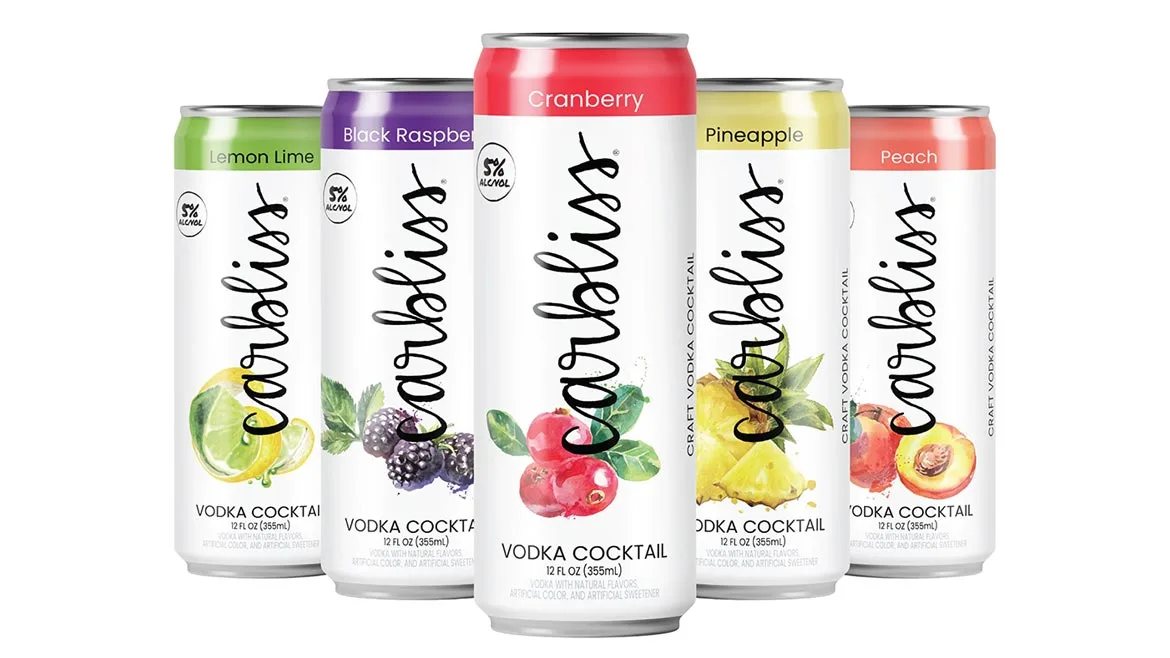
When browsing the beverage aisles, there is no shortage of ready-to-drink (RTD) beverage alcohol options from which to choose. Experts share that the segment has become a “key positive” to the market and note the needs that RTD solutions offer consumers.
Kaleigh Theriault, director of beverage alcohol thought leadership, NielsenIQ (NIQ), Chicago, shares insights based on data from the 52 weeks ending on June 13 in the United States market.
“RTDs continue to meet consumers’ need for convenience, flavor, variety and easy social drinking,” she says. “In the data, RTDs are up 3.6% in dollars, while total alcohol is down 3.3%, showing consumers are still buying drinks that are simple, portable and ready for any occasion.”
Similarly, Karl Nemitz, director of client sales and insights at Circana, Chicago, says that RTDs are designed for convenience and consistent taste, making them suitable for social gatherings or casual at-home consumption.
“Easy-drinking, low-calorie, flavor-forward, cocktail-in-a-can appeal to broad demographics and social occasions, [and that] consistency of holiday performance was previously held by beer, spirits or wine,” he shares.
Mitch Madoff, head of retail partnerships at Keychain, New York, says RTD drinks have resonated strongly because they meet consumers where they’re at.
“These products are portable, convenient and ready to enjoy without any mixing or preparation required, making them a natural fit for outdoor events, summer gatherings and on-the-go occasions,” he explains. “We’re seeing that demand reflected on Keychain’s platform, where brands like High Noon Sun Sips continue to perform well, especially as we head into warmer months.”
RTDs also offer a strong value proposition for many consumers, especially younger adults, Madoff notes, providing an affordable way to enjoy a premium cocktail-like experience at home or with friends, without the cost of a night out.
A blooming beverage market
Among the segments, RTD cocktails seem to be thriving the most.
“Spirits RTDs are winning because they bring the bar experience into a can or bottle with authenticity in the alcohol base,” NIQ’s Theriault shares. “They are up 32.1% to $3.75 billion, which is now larger than malt-based hard seltzers in the current period. The size and growth of spirits RTDs is proving shoppers want quality cocktails with good flavor, convenience and pourability without buying multiple ingredients.”
Circana’s Nemitz says that RTDs are often positioned as better-for-you offerings that deliver portion-controlled, lower alcohol-by-volume (ABV) options that can greatly reduce the traditional caloric intake, especially within hard seltzers.
“Innovation trends lead us to believe there is an increased adaptation on low-sugar, and ‘clean’ label ingredient offerings continue to attract more health-conscious consumers who might otherwise avoid alcohol entirely,” he explains.
Keychain’s Madoff says that RTD cocktails offer a convenient option without sacrificing quality.
“People want drinks that feel elevated and deliver a great experience, but they don’t necessarily want to spend time mixing ingredients or stocking a full bar at home,” he shares. “Keychain’s platform is showing positive year-over-year (YoY) growth in the RTD cocktail category, and that’s being driven by products that genuinely deliver on taste and quality.”
Among spirit-based RTDs, experts point to which are most often used and why.
According to NIQ’s Theriault, vodka is the biggest spirits base in RTD, with $2.31 billion in sales, up 31.8%, followed by tequila at $779 million, up 44.7%.
“Vodka works because it is easy to mix with almost any flavor, while tequila is riding the popularity of Margarita, palomas and citrus-forward cocktails,” she says.
Circana’s Nemitz also notes that vodka is the dominant liquor in spirit-based RTDs, with tequila being a distant second.
“Vodka is widely known as a neutral tasting/smelling spirit type that allows other ingredients like fruit, teas and soda to represent the initial flavor profiles,” he says.
Finding footing
Among the RTD beverage alcohol category, some formats have struggled to find their footing. NIQ’s Theriault notes that malt-based RTDs have faced recent declines.
“Malt hard seltzer is down 5.7%, hard tea is down 13.1% and hard lemonade is down 10.1%, suggesting consumers are moving toward more cocktail-like and spirits-based options,” she says.
Although seltzers continue to be a leading RTD beverage alcohol category, it has started to level out compared with other RTD categories, Circana’s Nemitz says.
“Part of the reason is the hard seltzer category was one of the first RTD alcoholic beverage categories to hit the market over 10 years ago,” he notes. “Spirits-based premixed cocktails and teas/lemonades have evolved as the clear growth categories within hard beverages over the past few years, representing a combined 91% of the total spirits-based hard beverage’s total dollar sales over the latest 52 weeks.”
The majority of innovation and area to expand offerings has stemmed from these two segments, where hard seltzer can only offer new flavor profiles, Nemitz adds.
Keychain’s Madoff points out that the RTD categories that haven’t differentiated or kept pace with flavor and format innovation are facing more headwinds.
“These products are portable, convenient and ready to enjoy without any mixing or preparation required, making them a natural fit for outdoor events, summer gatherings and on-the-go occasions.”
– Mitch Madoff, head of retail partnerships at Keychain
“Traditional malt-based hard seltzers … are navigating a crowded and mature market after years of explosive growth, making it harder to stand out … consumers today have more options than ever, and products that don’t offer a clear point of difference, whether in taste, occasion or branding, are feeling the pressure,” he says.
Brian Sudano, CEO and managing partner at S&D Insights, Norwalk, Conn., notes that malt and sugar-based RTD seltzers have struggled in recent years after reaching nearly 10% of the beer category size in 2021.
“The segment declines are moderating from double digits to low single as the largest brand has begun to experience growth this year,” he says.
Curating to the consumer
Licensing on non-alcohol brands has become more prominent through the RTD beverage alcohol space.
“Non-alcohol brand licensing helps RTDs feel familiar, fun and easier to try,” NIQ’s Theriault shares. “The brand recognition is high, and consumers are drawn to these products. In past data updates, we’ve seen declines from many of these products, as their time at the shelf is cycling through.”
This will likely continue, she notes, and brands will need clear packaging and strong execution, because the aisle is already crowded and not every crossover can sustain repeat sales.
“Licensing has become a meaningful growth lever for the RTD category, and the partnerships we’re seeing reflect just how much momentum the trend has,” Keychain’s Madoff says.
He notes the partnerships between Ocean Spray and Pernod Recard, which resulted in Absolut Ocean Spray Vodka Cranberry canned cocktails, and Jack Daniel’s collaboration with The Coca-Cola Co., which brought “one of the world’s most recognizable drink combinations” to an RTD format.
“These partnerships work because they combine the trust consumers already have in a familiar brand with the convenience and accessibility of an RTD format, significantly lowering the barrier to trial,” Madoff explains. “People already know what they can expect from fan-favorite brands like Ocean Spray or Coca-Cola, which makes them willing to try a new RTD product from them. The strategy also expands the category’s cultural footprint, bringing in consumers who might not have engaged with RTD alcohol otherwise.”
As competition intensifies and shelf space becomes harder to earn, Madoff expects licensing to become even more common as brands aim to differentiate their offerings.
“Licensing offers benefits for both the licensor and licensee,” S&D Insights’ Sudano says. “For the licensor, it provides exposure for its brand to a larger base of adult consumers in a new format. For the licensee, it can leverage brand equity and awareness to gain distribution faster and trial in the market at lower marketing levels.”
Certain flavor profiles within the RTD beverage alcohol space are more successful than others.
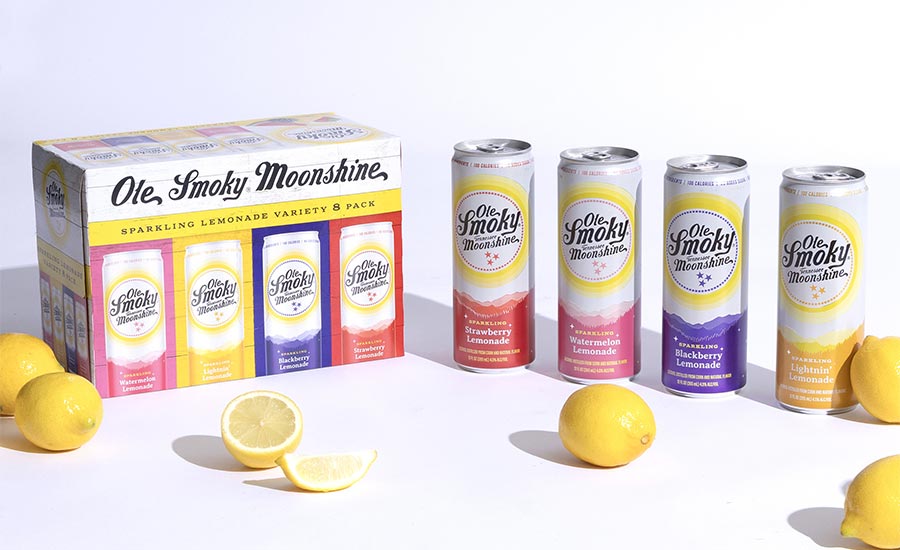 Image courtesy of Ole Smoky Distillery
NIQ’s Theriault states that the strongest flavors are familiar, refreshing and fruit-led.
“Assorted packs lead sales at $3.46 billion as consumers seek variety in their RTD consumption occasions,” she says. “Meanwhile, in spirits RTDs, assorted/variety packs top the list, but strong gains are also coming from lime, lemonade, tea, mango, citrus and cocktail-led flavors such as martini and Long Island.”
Keychain’s Madoff echoes similar sentiments, noting the effectiveness of variety packs.
“Truly is a strong performer on Keychain’s platform across both its Spiked & Sparkling Variety Pack and Punch Variety Pack, and White Claw is similarly seeing strong revenue across its variety pack offerings,” he says. “What makes these formats so powerful is their versatility. They essentially offer something for everyone, making them a far more crowd-friendly option than committing to a single cocktail or pack of beer.”
S&D Insights’ Sudano also notes that fruit-forward flavor profiles continue to be the largest flavor segment within the category.
“However, faster growth is being experienced in traditional cocktails,” he says. “Teas have continued to show strength, with the latest push coming from sports drink-styled formulations. A common factor in growth profiles beyond traditional cocktails has been non-carbonated liquids.”
A strong foundation
As for the future, NIQ’s Theriault says the category looks strong, but more selective at the shelf and in occasion for consumers.
“The category is growing overall, yet the biggest signal is the split between spirits RTD up 32.1% and beer/FMB/seltzer RTD down 6.3%, showing the next phase will be led by premium, cocktail-style and flavor-forward drinks,” she states.
Keychain’s Madoff simply says that the future is bright for RTD beverage alcohol.
“Convenience, value and flavor innovation remain strong, and the category continues to attract new consumers,” he shares.
He points to Stateside Brands’ Surfside canned cocktail portfolio as an example of this momentum. The starter pack shows strong revenue and growth on Keychain’s platform and the brand has become popular among young adults, both when sold at bars or purchase in-store, Madoff says.
“We expect continued innovation in flavors, formats and crossover concepts, as brands look to stand out in an increasingly competitive space,” he notes. “The categories that win will be those that deliver on taste and occasion and products that feel like the right drink for the right moment.”
S&D Insights’ Sudano shares similar thoughts, specifically emphasizing the convenience of RTD cocktails.
“There is still a large runway for RTDs to recruit more consumers by bringing the cocktail experience in a low-alcohol, convenient format to new consumers,” he concludes.
Looking for a reprint of this article?
From high-res PDFs to custom plaques, order your copy today!