Beverage formulators stay on-trend while masking off-notes
Balancing function and flavor puts pressure on product development

When dressing up for Halloween, those in costume might opt to wear a mask — be it creepy ghouls, scary witches, superheroes or silly expressions. Masks help the person in costume conceal their identity and get into character.
Although no costume is required, masking is a method used within the beverage industry to assist in formulation. Recently, functional beverage trends have impacted the utilization of masking ingredients.
Alicia Jenkins, sensory manager at Mother Murphy’s Flavors, Greensboro, N.C., says such trends are significantly increasing the use of masking ingredients.
“Consumers seek wellness and convenience and are drawn to products with functional benefits — such as added vitamins, adaptogens or botanicals,” she shares. “Development in the beverage space for products that deliver on function is growing and outperforming traditional products.”
However, Jenkins adds that these ingredients often introduce taste or aroma off-notes, which require a strategic masking ingredient to ensure consumer acceptance.
Philip Caputo, marketing and consumer insights manager at Carteret, N.J.-based Virginia Dare, states that functional beverages have gone mainstream, which has raised the stakes for flavor.
“Consumers may be looking for more products that support energy, gut health, or mood, but their expectations for the sensory experience haven’t changed,” he says. “As a result, masking and flavor modulation have moved from a supporting role to a central focus in formulation. Demand has grown both in scale — more products need it — and complexity, as evolving regulations and clean label expectations make synthetic masking agents obsolete.”
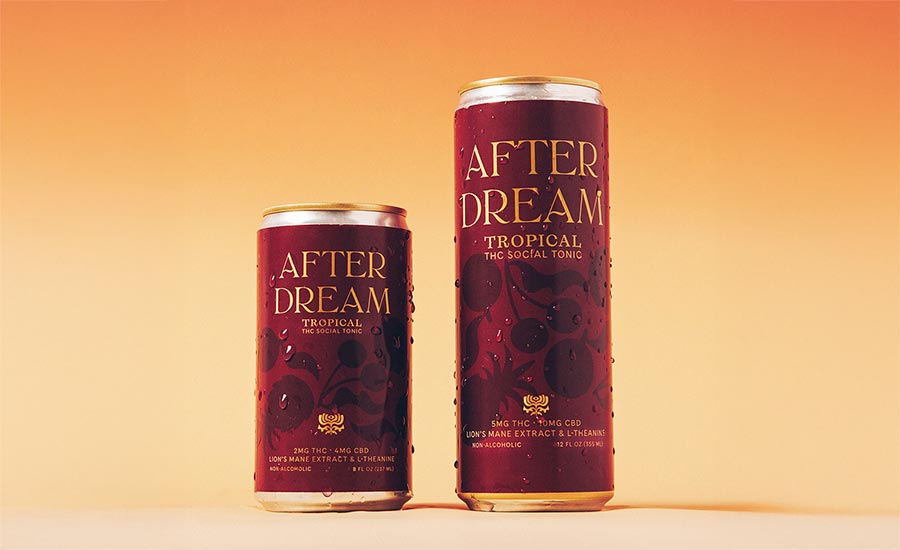
Developers are leaning into natural solutions and multi-faceted strategies, Caputo expresses, targeting specific off-notes, building profiles around characterizing flavors and fine-tuning texture and aroma alongside taste for a more well-rounded experience.
“In short, functional beverage trends haven’t just increased the use of masking ingredients — they’ve redefined how they’re applied,” he adds. “These new strategies and techniques will be fundamental in product development moving forward.”
Derek Rankin, research and development manager and certified senior flavorist at Flavor Dynamics Inc., South Plainfield, N.J., shares similar thoughts.
“Trends seem to increase the need for masking technology, as the ingredients are becoming more unique and have stronger taste impacts,” he says.
Sugar reduction trends also are having an impact on the usage of masking ingredients, Rankin notes.
“Masking agents are widely used to reduce bitterness and linger in zero calorie sweeteners,” he explains. “As long as people desire the taste and experience of real sugar, there will be an accompanying need for reducing off-notes of these zero calorie sweeteners.”
Mother Murphy’s Jenkins says that sugar reduction is tremendously impacting masking ingredients.
“Many of the non-nutritive sweeteners, like stevia or monk fruit, add a lingering bitter taste,” she says. “Advances in taste receptor science have enabled better identification of compounds that can block or minimize these off-notes, allowing formulators to find more effective sweetener blends and masking strategies that improve overall flavor perception.”
Virginia Dare’s Caputo shares similar thoughts.
“As consumers cut back on sugar, alternative sweeteners have stepped up to the plate — stevia, monk fruit, allulose and others,” he says. “While they deliver on sweetness, they often bring lingering bitterness, metallic notes or other off-flavors that can turn people off if they aren’t balanced properly.”
Caputo explains that this challenge has made masking a “critical part” of sugar-reducing product design.
“It’s about balancing the sweetness curve, rounding out mouthfeel and making the flavor profile feel natural and harmonious with all your other ingredients,” he says. “In many cases, masking works hand-in-hand with flavor modulation, so the end result tastes like a full-sugar product without the sensory trade-offs.”
Making moves to mask
Other trends aside from functional beverage trends are influencing the use of masking ingredients, experts note.
Flavor Dynamics’ Rankin says that high protein, collagen and plant-based beverages can all benefit from the use of maskers, because the background taste of those materials can be somewhat bitter.
Mother Murphy’s Jenkins notes that beverages containing alcohol, THC or adaptogens might drive the need for masking ingredients.
“Alcoholic beverages may require masking to reduce burn or enhance mouthfeel,” she states. “THC-infused drinks often have earthy or herbal notes that need to be complemented. Plant-based proteins and fermented ingredients can introduce off-flavors that will benefit from targeted masking strategies.”
Virginia Dare’s Caputo also points to protein, stating that whether the protein is whey, plant-based or a blend, it can often bring earthy, beany or chalky notes that need smoothing out.
“Fiber fortification is another, often adding dryness or graininess that affects both taste and mouthfeel,” he adds.
Functional mushrooms, which have become more common in a variety of formulations, are another trend Caputo notes.
“Chosen for their purported wellness benefits, they come with just as many sensory challenges — strong, savory or bitter flavors,” he describes. “And then there’s the broader wave of trending botanicals, adaptogens and nutrient-dense ingredients that have their own idiosyncratic quirks.”
All of these trends share a common theme: they complicate the flavor profile, Caputo says.
“Masking and modulation are about taking your mind off the ingredient so you can focus on the sensory experience,” he states. “This requires expertise, dedicated facilities and a whole lot of collaborative trial and error.”
As for guidance for beverage formulators, Caputo says masking is as much an art as it is a science.
“The best approach is to work with flavor scientists who have hands-on experience with both masking and flavor modulation,” he shares. “It takes skill and experience to ensure a solution doesn’t overcorrect or introduce its own distractions. There’s no one-size-fits-all answer.”
Different masking strategies perform better depending on the product format, the functional ingredients involved and the specific sensory challenge beverage-makers are addressing, Caputo notes.
“Successful formulation comes from testing, fine-tuning and sometimes layering multiple approaches to create a balanced and enjoyable flavor profile,” he adds.
Meanwhile, Flavor Dynamics’ Rankin cautions beverage formulators to be calculated when combining masking solutions as there could be limitations of ingredients, he says.
“At times, overusing masking tools can actually have the opposite effect and take away from the brightness of the original flavor,” Rankin shares.
Mother Murphy’s Jenkin’s lists the following suggestions for formulators selecting masking solutions:
- Identify the attribute early: whether it’s taste, aroma or mouthfeel, relate the attribute to examples to assist in communicating to others.
- Match the masking strategy to the issue: use bitter maskers for taste, complementary aromatics for smell.
- Consider added cost and sensory trade-offs: masking agents might add other flavor notes, sweetness, umami, etc.
- Use flavor pairing: consider grapefruit, coffee or dark chocolate flavors to pair with bitter off-notes or sweet aromatics to counterbalance processing off-notes from proteins like soy or whey.
- Account for shelf-life changes: masking might help maintain flavor consistency over time or through packaging interactions.
Mother Murphy’s provides a range of masking solution for formulators, she explains.
“We offer a wide variety of masking, enhancing or modulating solutions tailored to beverage formulation needs, such as bitter blockers, sweetness enhancing, mouthfeel modulators, etc.,” Jenkins says. “Our team can also integrate functional masking into traditional flavor profiles, streamlining the process into a single flavor addition during manufacturing.”
Flavor Dynamics’ Rankin states that the most common solutions provided by the company are sweetness enhancers and bitterness blockers, as both could help “tailor the impact perception without changing the profile.”
Virginia Dare has decades of experience in a wide range of beverage formats, Caputo shares, from ready-to-mix powders to ready-to-drink (RTD) formulations.
“We’ve worked with a broad spectrum of functional ingredients, helping to manage off-notes, balance sweetness and optimize the overall sensory experience,” he says. “The key is tailoring masking strategies to each formula — what works for one ingredient or format may not work for another — and iterating to achieve a unique and memorable final product.”
Caputo expresses his thoughts on future trends that may influence masking.
“As beverage formats continue to evolve, multi-function formulations are likely to drive the next wave of masking challenges,” he says. “Combining benefits — like energy plus protein or focus plus mood support — introduces more complex interactions between ingredients, each with its own unique footprint.”
Successfully managing these interactions will require increasingly sophisticated masking and modulation strategies, Caputo notes.
“At the same time, consumer demand for clean-label, sustainably sourced ingredients will continue to shape the options available,” he says. “Masking solutions will need to balance efficacy with transparency and natural sourcing, pushing the industry toward more innovative and nuanced approaches that maintain both flavor and ingredient integrity.”
As functional ingredients continue to evolve, Flavor Dynamics’ Rankin states that there will undoubtedly be taste hurdles.
“People will always prefer the taste of ‘less ingredients,’ yet the trend seems to keep adding more to create more ‘useful’ beverages,” he says. “The recreation aspect seems to be on the way out and the strictly ‘needed’ and ‘value-added’ approach has taken precedence. With this, the need for optimized masking technology will also continue to grow and evolve.”
Mother Murphy’s Jenkins anticipates trends that influence masking to include the growth of plant-based, functional ingredients and non-alcoholic, mood-enhancing products such as those containing THC or adaptogens. Such categories will continue to benefit from masking ingredients, she says.
“As consumers become more educated about these ingredients, formulators will quickly identify sensory challenges and collaborate effectively with flavor suppliers to address them,” Jenkins concludes. “Clean-label and sustainability trends may also shape the types of masking solutions used.”
Looking for a reprint of this article?
From high-res PDFs to custom plaques, order your copy today!