Beverage-makers keep an eye on taste trends
Flavor preferences fluctuate depending on beverage format, function
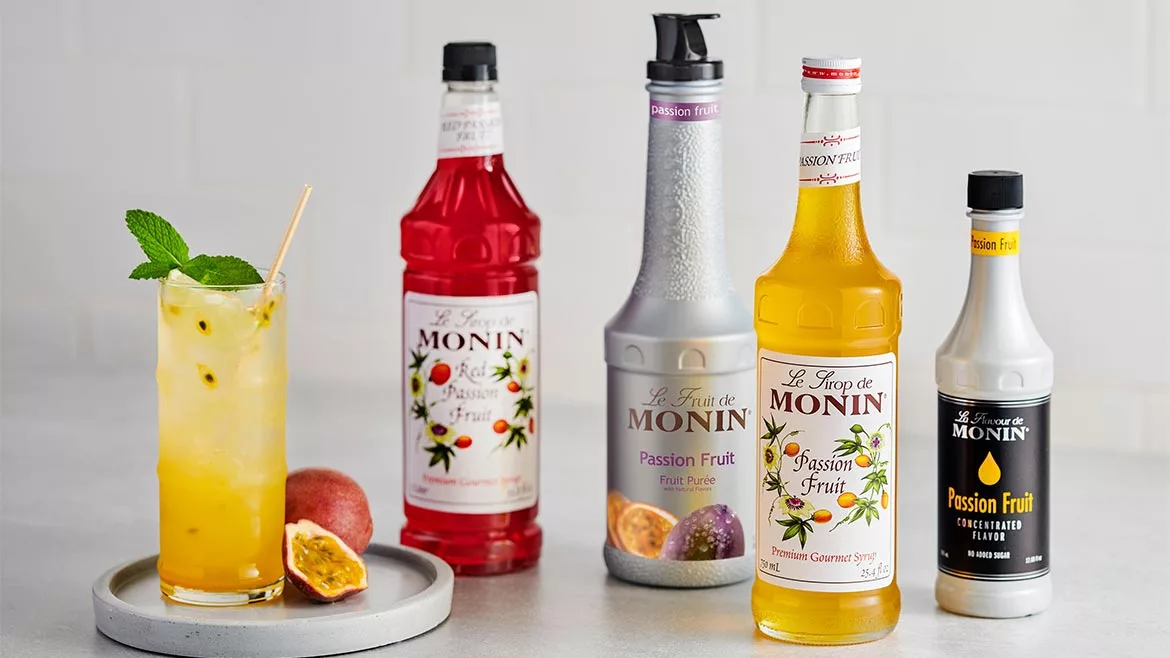
Image courtesy of Monin
With social media, it seems it is easier than ever before to keep up with trends. From the hottest manicure trends to the latest go-to dinner recipe, consumers can browse these platforms to keep a finger on the pulse for just about anything.
The beverage industry is another area impacted by trends, especially when it comes to flavor innovations.
Carrie Gillespie, senior manager of field sales marketing at Monin Americas, Clearwater, Fla., shares the consumers trends popping up on menus.
“Currently, we’re seeing consumers’ tastes for clean energy and locally sourced ingredients influence menus,” she says.
Gillespie observes the shift toward coffee alternatives, such as matcha and energy refreshers. Monin’s Brilliance Energy line exemplifies this trend, which is a line of natural flavored products and sugar-free options that create flavorful energy drinks when mixed with sparkling water, she says.
“Additionally, consumers are seeking out menu options that demonstrate the journey from seed to sip,” she notes. “Beverages that incorporate sustainably sourced, seasonal ingredients celebrate the locale and can help build deeper connections with patrons.”
Examples include increased use of fresh herbs, florals and fruits to create what Gillespie considers “incredibly flavorful seasonal cocktails, mocktails, juices and more.”
Similarly, Shane Jones, applications technologist at Mother Murphy’s Flavors, Greensboro, N.C., has observed requests for flavors in the non-alcohol (NA) and mocktail space that emulate traditional cocktails, like Margaritas and palomas.
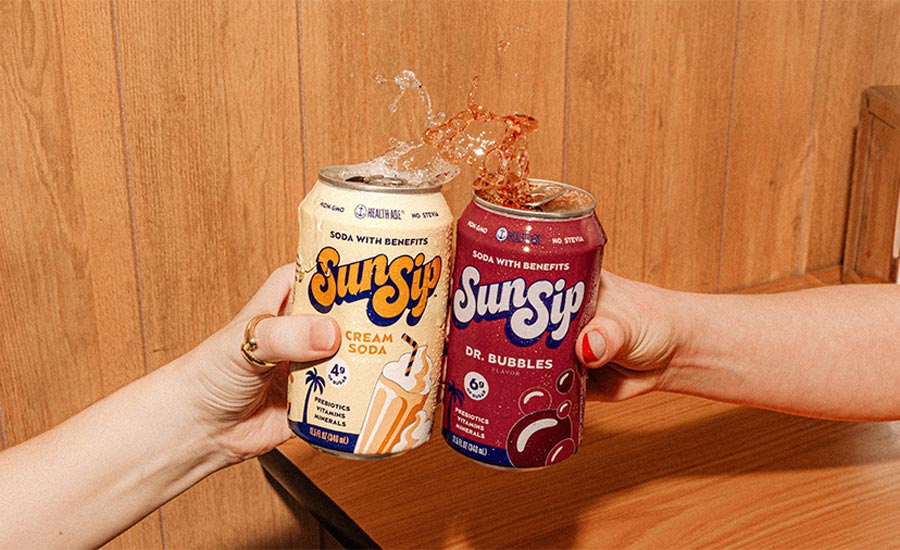
“Health and wellness categories are prominent now, including probiotic sodas,” Jones says. “These flavors are usually nostalgic (cola, orange creamsicle, root beer). We’ve also seen more diverse flavors in functional beverages, including teas emerging.”
Exotic fruits that are not widely available in the United States are popular as well, he adds, like yuzu, prickly pear and starfruit. Jones notes that “sweet heat” flavors are heating up, too.
Meanwhile, Alexandra Kirsch, marketing associate at South Plainfield, N.J.-based Allen Flavors, feels that the flavor market is evolving due to a “vibrant blend” of consumer preferences surrounding wellness, sensory experiences and authenticity.
“A key driver of this shift is the increasing demand for health-conscious products, with consumers seeking out flavors linked to functional benefits — such as citrus for immune support, ginger for digestive health and botanicals like lavender and elderflower for stress relief,” Kirsch shares. “Alongside this wellness focus, there is rising interest in globally inspired and bold, adventurous flavors as people embrace new cultural experiences through food and drink.”
Flavors like yuzu, tamarind and cardamom are gaining popularity, she adds, offering consumers a sense of exploration and novelty.
Kat Crozier, senior marketing manager of flavors for North America at ADM, Chicago, states that many trends the company has tracked thus far into the year are “enveloped by consumers’ broader needs to reconnect to a shared human experience.” For example, she notes that simple and comforting flavors are trending, which translates to beverages with a singular taste being front and center, such as strawberry agua fresca, fizzy cola or chocolate milk.

“Tropical, botanical and citrus flavors are popular in functional beverages for their associations with hydration, energy, focus, relaxation and more,” Crozier says. “Bittersweet grapefruit juice is a hit with the wellness crowd, as it’s associated with weight management, immune support and digestive health. In reformulated or better-for-you (BFY) offerings, such as dairy alternative milks, low-sugar coffee creamers and high-protein smoothies, consumers expect the same delicious taste profiles, creamy textures and sense of satisfaction they’re used to in original formulations.”
She shares that playful flavor pairings and sensations can bring feelings of joy when sipping on a beverage.
“As more people adapt to positive nutrition and lifestyles, products tailored to their specific needs help consumers feel special and seen,” Crozier adds.
Exploring flavor formulations
Consumer trends greatly influence beverage formulations.
Monin’s Gillespie expresses that consumers are more informed and concerned about what they are putting into their bodies. All natural, no artificial flavors, colors or preservatives is not just a fad, she says, it has become an industry standard consumers expect from beverage-makers.
“Today’s consumer seeks more premium, natural ingredients, like pure cane sugar as opposed to artificial high fructose corn syrup,” Gillespie notes. “There is also an increase in beverages featuring functional ingredients like vitamin C, elderberry, zinc and B12 that naturally boost immunity and energy in contrast to those that contain synthetic ingredients.”
Fruits, roots, florals and herbs are recognized for their holistic health benefits, she adds.
Allen Flavors’ Kirsch feels that consumer trends have “significantly reshaped” beverage formulations and pushed brands toward innovating products that are at the intersection of health, experience and simplicity.
“As demand for functional wellness rises, beverage developers increasingly incorporate ingredients like adaptogens, nootropics, botanicals, probiotics and natural caffeine alternatives while ensuring these additions are supported by flavor systems that maintain a great-tasting profile,” she explains. “To meet clean label expectations, formulators shift toward natural flavors, reduced sugar and recognizable ingredients, often avoiding artificial sweeteners or synthetic additives.”
These shifts have challenged developers to find new ways to deliver bold, enjoyable tastes while using fewer and more transparent components, Kirsch notes.
Mother Murphey’s Jones shares that formulating for NA and mocktail beverages poses unique challenges.
“For example, many of the flavors have an alcoholic solvent, so maintaining a percentage [of] ABV [alcohol-by-volume] below 0.5%, the legal threshold for non-alcoholic, often means we have to either use very little flavor, or we have to create new flavors with little to no alcohol,” he explains.
Another issue is getting the alcohol burn to come through in NA spirits and mocktails.
“Many customers look for this burn, but other sources of burn in flavors have a different type of burn that we associate with alcohol,” Jones says. “We’ve developed a number of new burn flavor options, and that’s an area where we intend to keep developing and improving our technology.”
Predicting the future flavor trends
Going forward, identifying the up-and-coming flavor trends for the year to come is top of mind.
Monin’s Gillespie notes that mindful consumption is “at the forefront” of flavor innovations, and says operators should look to incorporate sustainable products that are naturally sourced. Earlier this year, Monin released its Yuzu Pineapple Syrup, which is made using yuzu fruits grown in the brand’s orchard in Portugal with agro-ecological farming methods.
“Implementing sustainable practices and natural, fresh ingredients should be a priority for suppliers as consumers continue to increasingly value brands that do so,” Gillespie says. “Suppliers should also keep the importance of consumer experience top of mind, and look to create authentic, exciting and visually appealing menu items unique to their establishment.”
Today’s consumer wants to savor life’s moments, she explains, and beverage suppliers can encourage consumers to do so by creating quality experiences shaped by indulgent menu items, unique twists on modern trends and evoking emotion through nods to classics.
Allen Flavors’ Kirsch states a key area of focus is mood-based consumption, where consumers seek beverages that support specific emotional states, like relaxation, focus and energy.
“Mood-based consumption has increased interest in flavors associated with calming botanicals, like lavender and chamomile, or uplifting citrus and tropical fruits, such as bright dragon fruit or creamy mango,” she shares. “Also, be prepared to see more beverages with herbal and earthy notes, including flavors such as turmeric, ginger and matcha.”
Mother Murphy’s Jones expects to see a continued trend toward exotic and global concepts. He points to Southeast Asian as an example, which might come in the form of new spicy food varieties, as well as new teas and plant-based beverages.
“Fruits that are prominent in foreign cuisine are also becoming more widespread,” Jones says. “For example, passion fruit and lychee have been featured in hard seltzers and sakes, and we expect to see more of that type of exotic flavor application.”
The Mother Murphy’s team also anticipates functional beverages, whether nutraceutical or recreational, will continue to grow in the market.
“For flavors, this will entail us using bitter-masking technology and working with low-calorie sweeteners,” Jones notes. “The industry is expanding its knowledge of technology to change perception of bitterness and astringency, and we think that will be crucial in making functional beverages more palatable.”
Jonah Jackson, marketing analyst at Downers Grove, Ill.-based Flavorchem, expects hybrid ready-to-drink (RTD) beverages to emerge, combining elements like botanicals with alcohol and zero-proof spirits, sodas with functional ingredients and plant-based formats with energy-boosting benefits to meet evolving consumer preferences.
“According to Mintel, 13% of U.S. consumers want botanicals in their beverages,” Jackson notes. “Often paired with fruit-forward flavors, these drinks feature global flavors and creative pairings, offering a fresh twist on tradition. As consumers seek both excitement and wellness, these drinks offer a fresh take on traditional beverage experiences.”
ADM’s Crozier says that hybrid flavors provide an aspect of novelty and experimentation to all types of beverage applications, refreshing consumer interest as the category evolves.
“With berry flavors trending at the top, we see mash-ups of different fruits emphasizing berry profiles,” she states. “One example is jostaberry, pulling from gooseberry and blackcurrant to capture familiar notes of blueberry, grape and kiwi. Combining different fruit flavors can also expand horizons in wellness beverages.
“Within the active nutrition segments, hydration beverages with electrolytes come in thirst-quenching flavors like mango, passionfruit, strawberry yuzu and lemon pitaya,” Crozier continues. “On the holistic health side of the spectrum, sophisticated flavors appeal to consumers seeking support for their overall wellness goals. Such beverages might feature flavors like pomegranate acai blueberry, black raspberry hibiscus and pineapple lychee.”
Allen Flavors’ Kirsch expresses that hybrid flavors are a powerful way to grab consumer attention in a competitive market.
“By combining unexpected or globally inspired ingredients, brands can differentiate themselves and attract adventurous consumers seeking fresh, unique experience,” she says. “This approach is convenient for limited-time offerings (LTOs) and seasonal releases, where bold and memorable flavor pairings can drive excitement and boost trial.”
Beverage brands can appeal to consumers hesitant to venture too far from their comfort zones, Kirsch notes, by blending familiar flavors with more unique or unexpected ones. This helps products maintain a sense of familiarity that encourages trial while offering something new and intriguing, she adds.
What to expect
Experts also share whether they anticipate more health-focused or indulgent-focused flavors in the year to come.
Monin’s Gillespie states that consumers have always teetered between wanting to make better choices and treat themselves. She believes this balancing act will continue to influence flavors.
“Having said that, I think the line between fun and function will blur as consumers now have the option to drink beverages that not only support their wellbeing, but are also refreshing, flavorful treats, with an example being colorful energizing refreshers,” Gillespie says.
ADM’s Crozier echoes similar thoughts.
“There continues to be ample opportunity for both healthy and indulgent flavors, as consumers seek to nourish their physical, mental and emotional well-being,” she notes. “Botanical flavors are often perceived by consumers at better-for-you ingredients with closer-to-nature appeal. Hops have a refreshing bitterness and a non-alcoholic profile that blurs the line between wellness and indulgence. They’re specifically emerging in popularity in sparkling waters.”
Likewise, Crozier says dessert flavors are popular in the active nutrition space, from a fiber- and protein-enhances shake that tastes like tiramisu to a meal replacement beverage emulating raspberry cheesecake.
“Functional carbonated soft drinks (CSDs) are another big trend, with many incorporating pre-, pro- and/or postbiotics in fun flavors like cherry vanilla, watermelon lime and the fanciful Alpine Blast,” she adds.
Mother Murphy’s Jones expects to see more health-focused flavors due to the lifestyle food and beverage choices consumers are increasingly making.
“Energy drinks, THC snacks/beverages, smoothies, nutritional drinks and flavored juices tend to have more health-focused flavors,” he says. “Low-calorie beverages are also popular amongst health-conscious consumers, so high-intensity sweeteners, especially natural ones, are becoming more popular. Because of this, flavors that mask off-flavors from the sweeteners are becoming more popular as well.”
Jones also suspects consumers will continue to be more label-conscious and favor products with clean labels over products with unknown or harmful ingredients.
Similarly, Flavorchem’s Jackson feels that, although indulgent-focused flavors remain popular, health-focused and functional flavors will increasingly emerge in beverage applications.
“Fruit forward flavors, whether they are globally inspired flavors like ube or a combination of fruit flavors, are popular with consumers as they seek healthier options,” he says. “Sodas are being infused with probiotics, protein is being added to beverages and snacks and ‘swicy’ (sweet and spicy) products are launching both in CPG and foodservice. Consumers are seeking healthier options, and this impacts the flavor market with more fruit-based flavors and low/no sugar products launching in the market.”
Allen Flavors’ Kirsch expects to see “permissible indulgence,” the flavors that balance wellness and enjoyment, in the year ahead.
“As consumers become more proactive about their health, they’re looking for beverages that support physical and mental well-being, which is driving demand for flavors tied to functionality … that said, indulgence is not going away,” she concludes. “Instead, it’s being redefined through a wellness lens. Consumers want to enjoy rich, nostalgic or comforting flavors — like chocolate, vanilla chai or birthday cake — but within products that offer better-for-you benefits, such as low sugar, plant-based ingredients or added adaptogens.”Looking for a reprint of this article?
From high-res PDFs to custom plaques, order your copy today!